How Do We Use Wind Power To Generate Electricity

Wind power! It's not just for windmills anymore. Remember those iconic Dutch paintings or the whimsical turbines you see dotting the countryside? Wind power has gone from a quaint symbol of rural life to a serious contender in the energy game. But how exactly do we harness the invisible force of the wind to power our homes and lives? Let's unravel the mystery!
Beyond its large-scale applications, understanding wind power can be incredibly rewarding for artists, hobbyists, and anyone with a curious mind. For artists, it offers a new lens through which to view the landscape. Think about capturing the kinetic energy of wind turbines in a painting, sculpture, or even a digital animation. Understanding the science behind the movement allows you to portray it more accurately and creatively.
Hobbyists, on the other hand, can delve into building miniature wind turbines. It's a fascinating exercise in engineering and physics, offering a tangible way to explore renewable energy. And for casual learners, simply grasping the fundamentals of wind power provides a greater appreciation for the technology shaping our future. You can impress your friends with your newfound knowledge!
Must Read
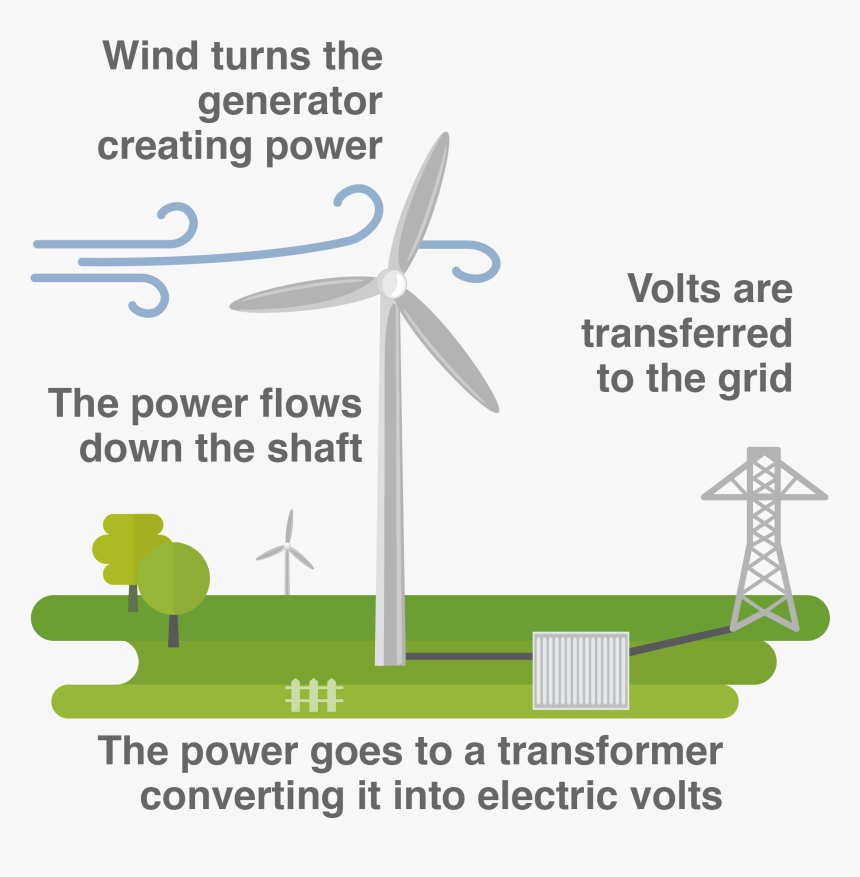
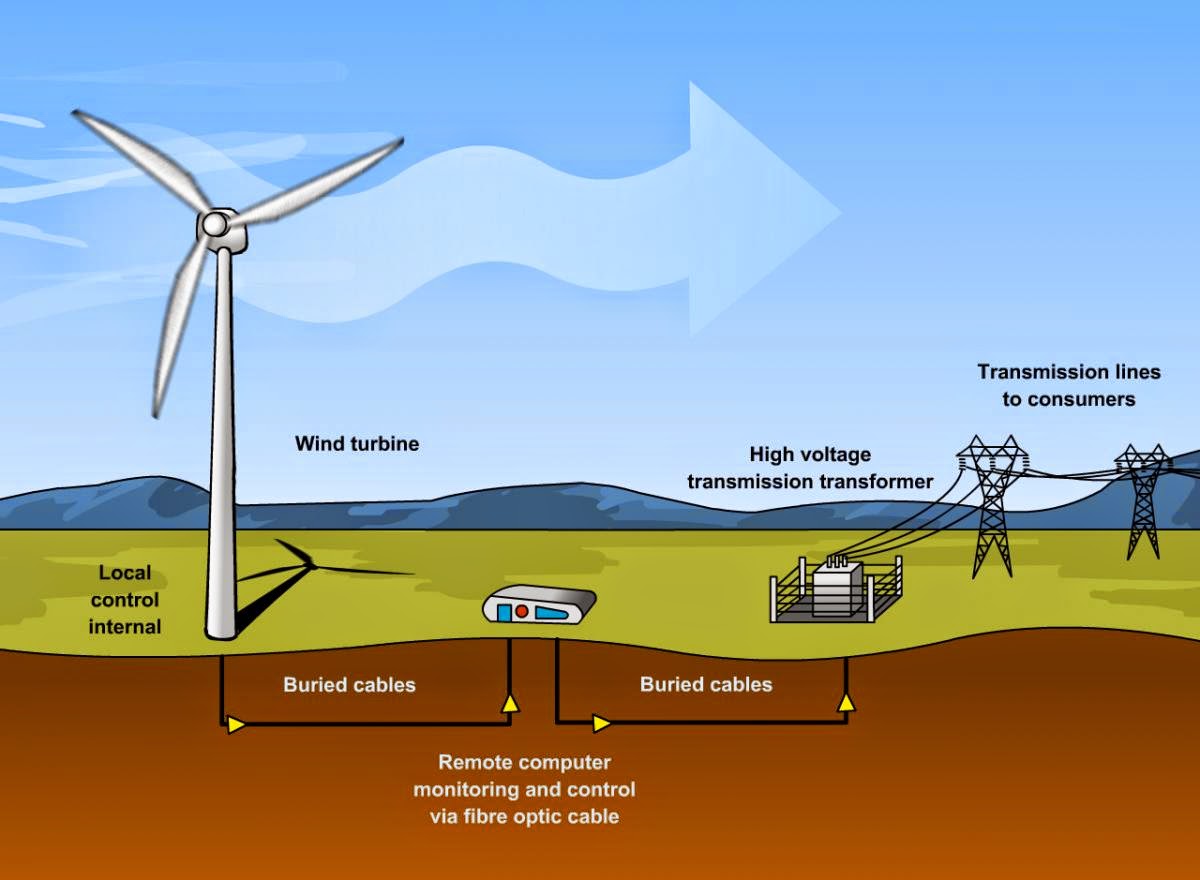
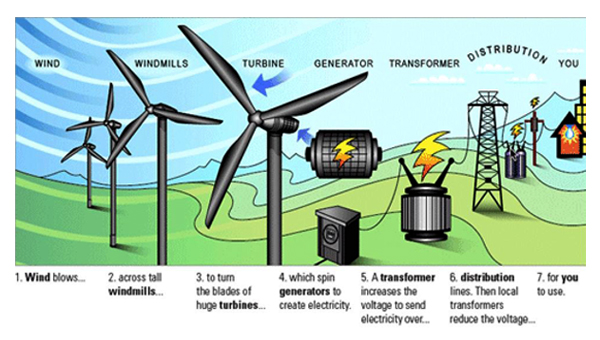
So, the basic principle is this: Wind turns blades connected to a rotor. This rotor is connected to a generator, which converts the rotational energy into electrical energy. Imagine a water wheel, but instead of water, it's the wind pushing the blades. It's that simple at its core! Now, the scale can vary greatly. You have massive utility-scale turbines capable of powering hundreds of homes. Then you have smaller, distributed wind systems designed for individual properties.
Think of artists creating:
- Kinetic sculptures that visually demonstrate the energy of the wind.
- Land art that incorporates the landscape and wind patterns.
- Digital art simulations of wind flow and turbine operation.
And hobbyists can experiment with:
- Small-scale wind turbine kits for powering garden lights or charging small devices.
- Homemade anemometers to measure wind speed.
- Computational fluid dynamics (CFD) simulations to design more efficient turbine blades.
Want to try something at home? Start with a simple pinwheel! Observe how the wind interacts with its blades. Then, try building a small anemometer using cups and a spinning axis to measure wind speed. There are plenty of online resources and DIY guides available to help you. Remember to prioritize safety and start with basic designs.
Learning about wind power is enjoyable because it connects us to something larger than ourselves. It's about understanding the natural forces around us and harnessing them for a sustainable future. It's also about creative expression, problem-solving, and the satisfaction of building something with your own hands. So, go ahead, embrace the wind and discover the power within!