How Do We Use Biomass Energy

Hey there, ever stopped to think about where our energy comes from? Beyond the solar panels on roofs and those giant wind turbines, there’s a whole world of energy sources. And one of them is, well, right under our noses (or sometimes growing right in our gardens)! We're talking about something ancient, natural, and surprisingly modern: biomass energy. Curious how we tap into it? Let’s dive in, chill style.
Imagine every plant, every tree, every bit of organic matter around us. It’s all just sunshine, water, and nutrients, right? But here’s the cool part: all that green goodness is essentially a tiny, natural battery, storing the sun’s energy. That stored energy, in all its organic forms, is what we call biomass. And guess what? We humans have been figuring out how to use it for a very, very long time.
So, What Even Is Biomass?
Simply put, biomass is organic material that comes from plants and animals, and it contains stored energy from the sun. Think about it: trees, agricultural crops like corn or sugar cane, even algae in the ocean! It also includes things like wood chips, sawdust, municipal solid waste (yep, some of your trash!), and even animal manure. Pretty diverse, huh? The key is that it’s renewable – we can grow more plants, and critters keep, uh, producing.
Must Read
It’s like nature's own super diverse pantry, just waiting to be turned into something useful. But how do we actually go from a tree branch or an old cornstalk to, say, powering our homes or cars?
The Original Method: Just Burn It!
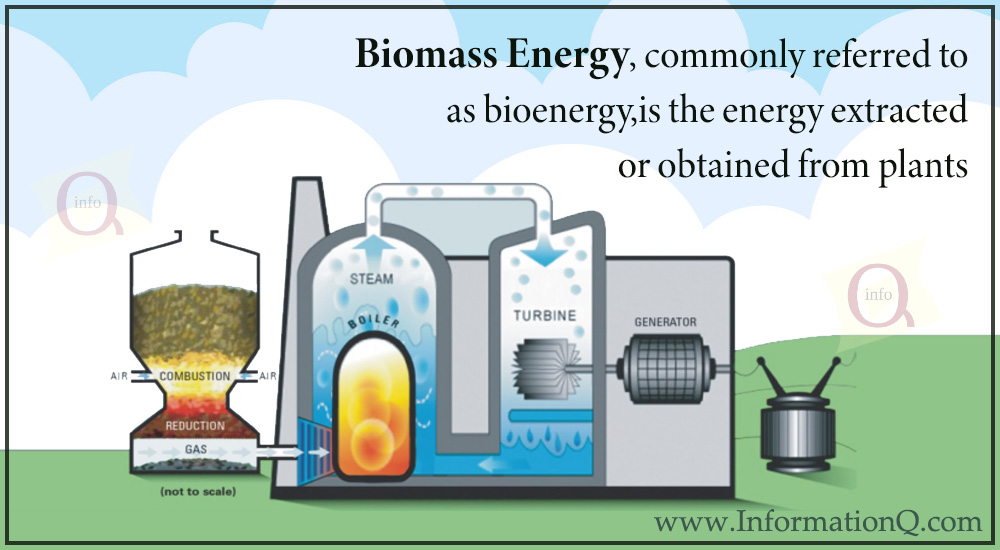
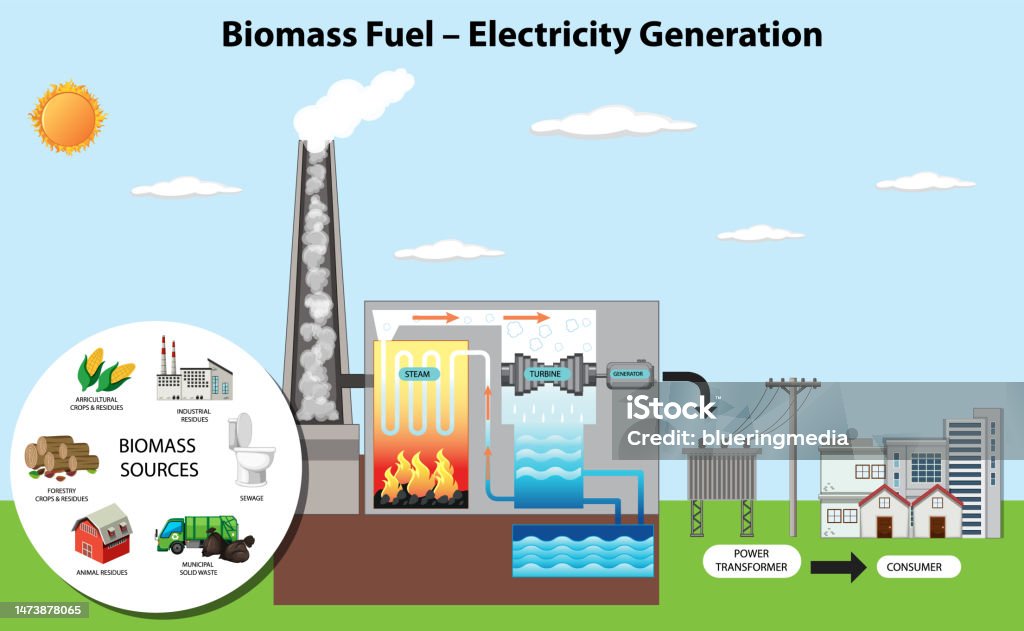
Okay, "just burn it" sounds a bit… caveman, but it’s the oldest and most direct way we use biomass! Think about building a campfire or lighting your fireplace. You’re literally releasing the sun’s stored energy from the wood as heat and light. Modern power plants do something similar, but way more efficiently. They burn wood, agricultural waste, or even specially grown energy crops to heat water, create steam, and spin turbines to generate electricity. It’s essentially a giant, controlled campfire powering your Netflix binge!
Turning Plants into "Car Juice": Biofuels
This is where things get really interesting, especially for our vehicles. Ever heard of ethanol or biodiesel? These are liquid fuels made from biomass, often called biofuels.
- Ethanol: Most commonly made from corn or sugar cane (but increasingly from other plant parts like switchgrass or wood chips), it's basically alcohol that can be mixed with gasoline. Your car might already be running on a blend with ethanol! It's like turning a crop into a power-up for your engine.
- Biodiesel: This one is often made from vegetable oils (think soybeans or rapeseed) or even used cooking oil. Yep, that grease from your fries could literally be fueling a truck! It’s a super cool way to give waste a second life and reduce our reliance on petroleum. Imagine a world where your morning coffee grounds help power your commute!
These biofuels help reduce emissions and offer a more sustainable alternative to traditional fossil fuels, making our journeys a little greener.

The Fart Power Plant: Biogas!
Okay, not actual farts, but close! This is probably one of the coolest and most overlooked uses of biomass. When organic matter, like animal manure, food waste, or even sewage sludge, decomposes in an oxygen-free environment, it produces a gas called biogas. This biogas is mostly methane, the same stuff in natural gas.
Think about a landfill: all that decomposing trash naturally creates methane. We can actually capture that gas and use it to generate electricity or heat! Or, on farms, dedicated digesters can take animal waste and turn it into biogas, which can then be used to power the farm itself. It’s like turning "yucky stuff" into useful energy – a true superhero transformation for waste!
Why Is Biomass So Cool?
Beyond just having another arrow in our energy quiver, biomass energy has some pretty neat advantages:
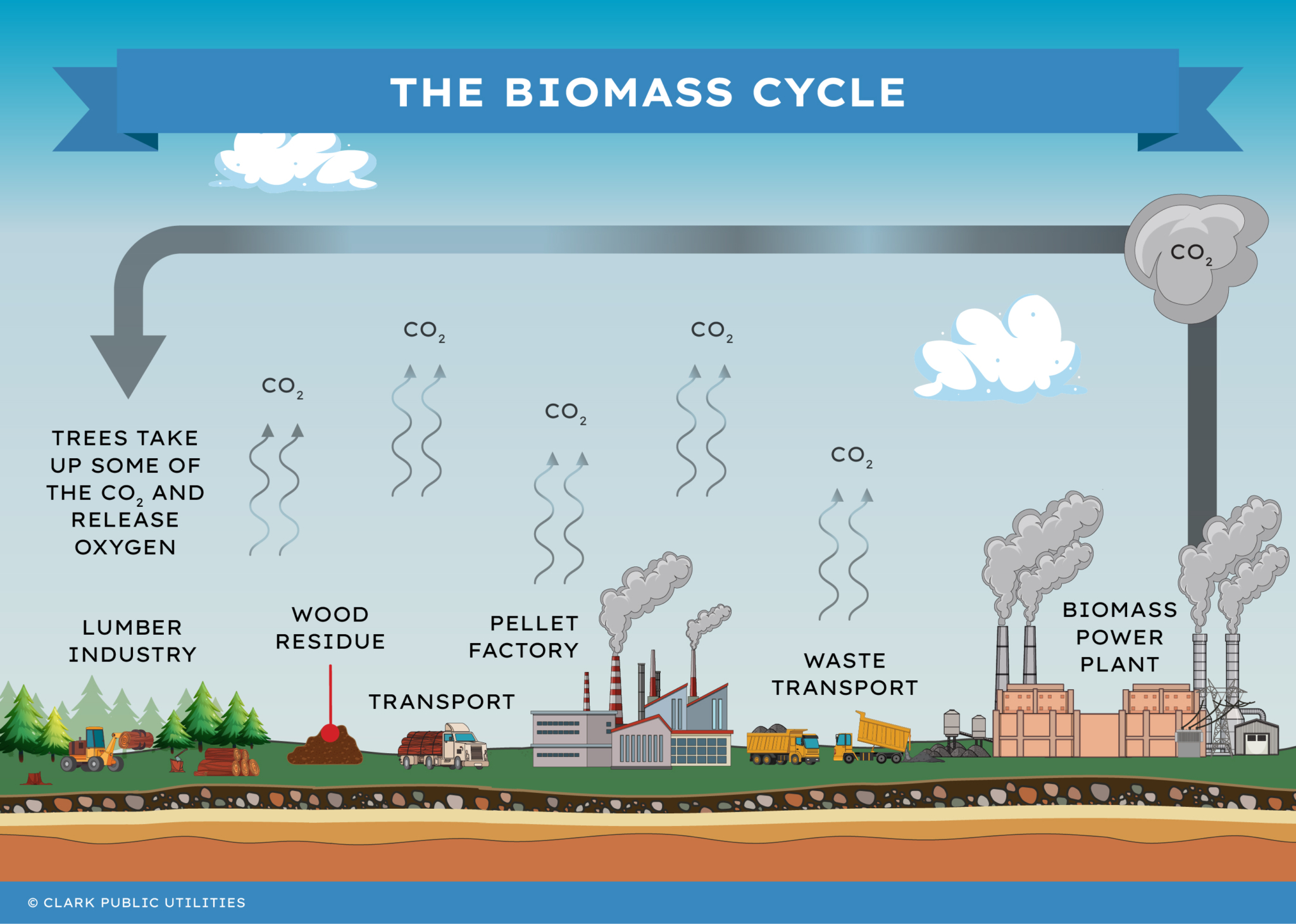
- It’s Renewable: As long as the sun shines and plants grow, we can produce more biomass. It’s part of a natural carbon cycle.
- Waste Not, Want Not: It helps us manage waste! Instead of just tossing things into landfills, we can turn food scraps, agricultural leftovers, and even some municipal trash into valuable energy.
- Local Energy: Biomass resources can often be found locally, reducing the need to import fuel from far away. This can boost local economies too!
- Reliable: Unlike solar and wind, which depend on weather conditions, biomass power plants can operate 24/7, providing a steady supply of energy. They can be a great complement to intermittent renewables.
Of course, like all energy sources, it's not without its challenges (we need to make sure we're sourcing it sustainably, for example, and not impacting food production). But the ingenuity in how we're learning to harness nature's stored energy is truly inspiring.
So, the next time you see a field of corn, a pile of wood chips, or even your compost bin, remember: you're looking at potential energy. It’s a fascinating reminder that the world around us is packed with untapped power, just waiting for us to figure out how to use it smartly and sustainably. Pretty wild, right?