How Do We Get Natural Gas Energy
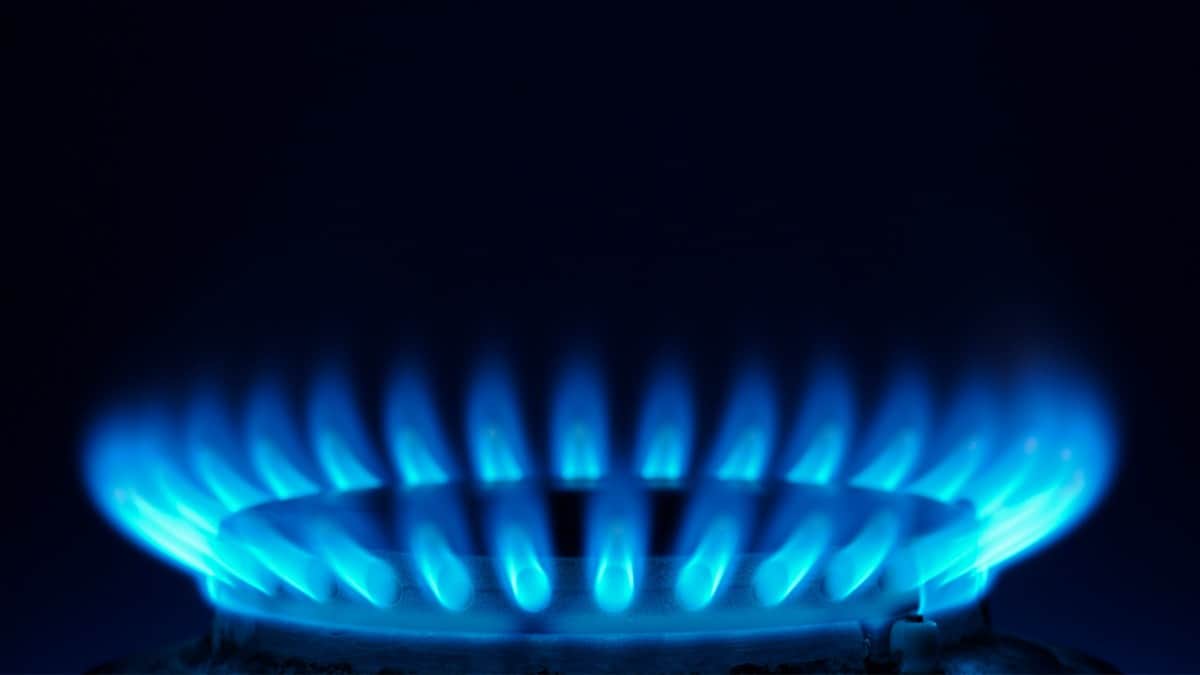
Ever walked into a warm house on a chilly day? Or enjoyed a piping hot shower after a long day? Maybe you've whipped up a delicious meal on a gas stovetop, marveling at the instant heat. That feeling of comfort, convenience, and instant energy often comes from an invisible, yet incredibly powerful, source: natural gas. It's the unsung hero quietly fueling much of our modern lives, making everyday moments smoother and more enjoyable.
Natural gas plays a colossal role in keeping our world spinning. For many of us, it’s the primary way we heat our homes and water, ensuring cozy winters and endless hot showers. It’s also the secret behind those perfectly seared steaks on your grill or the quick boil on your stove. Beyond residential comforts, natural gas is a crucial energy source for industries, powering everything from manufacturing plants to electricity generation, lighting up our cities and driving economic activity. It's a versatile, efficient, and relatively cleaner-burning fossil fuel that has become deeply embedded in the fabric of our daily routines.
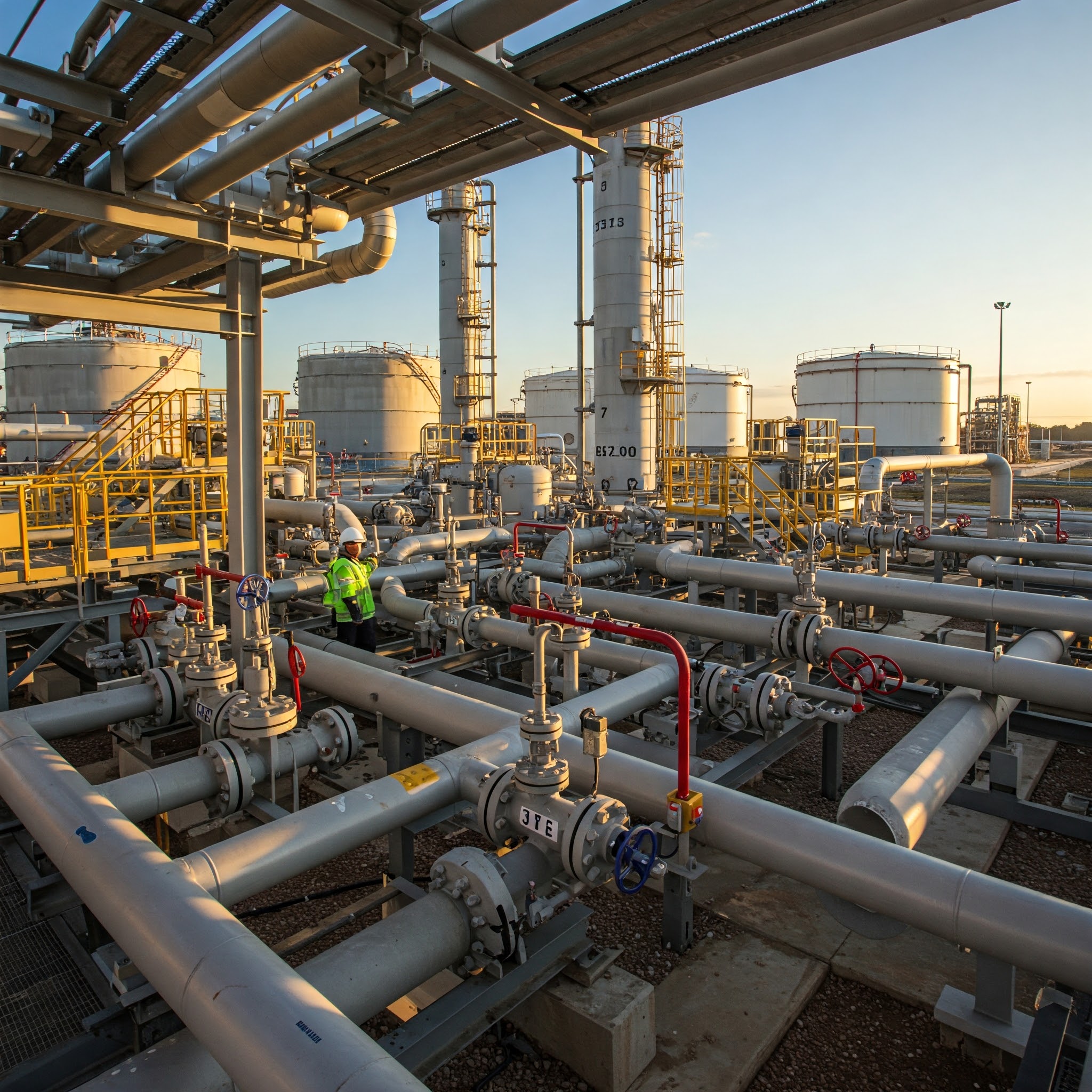
So, where does this magical gas come from? The journey begins deep underground, millions of years ago, with ancient organic matter – tiny plants and animals – that settled on the seafloor. Over eons, layers of sediment piled on top, subjecting this organic material to immense heat and pressure. This incredible transformation slowly converted it into fossil fuels, including natural gas, trapped in porous rock formations deep beneath the Earth's surface. Getting it out requires some serious engineering! We start by drilling wells, often thousands of feet deep. Sometimes, the gas flows freely, but more often, especially in today's world, techniques like hydraulic fracturing (or "fracking") are used. This involves injecting water, sand, and chemicals at high pressure to create tiny fissures in the rock, allowing the trapped gas to escape and flow up the well. Once extracted, the raw gas undergoes processing to remove impurities like water, sulfur, and other hydrocarbons, transforming it into the clean-burning fuel we know. Finally, a vast network of pipelines, stretching across continents, transports this processed gas to distribution centers, and from there, smaller local lines deliver it directly to our homes and businesses. It's an intricate dance of geology, technology, and infrastructure!
Must Read
To enjoy the benefits of natural gas safely and efficiently, here are a few practical tips. First and foremost, safety is paramount. Install and regularly check carbon monoxide detectors in your home – this odorless, colorless gas is extremely dangerous. Learn to recognize the distinct rotten-egg smell that gas companies add as a warning for leaks, and know where your main gas shut-off valve is located in case of an emergency. For efficiency, ensure your gas appliances, especially furnaces and water heaters, are serviced annually by a professional. This keeps them running smoothly and helps reduce your energy consumption. Consider investing in a smart thermostat to optimize heating and cooling, and remember that good insulation can significantly reduce your gas usage. By being mindful and proactive, you can ensure natural gas continues to provide comfort and convenience in your life effectively and responsibly.