
How Do They Name Tropical Storms And Hurricanes

Hey there! Ever wondered who gets to name those wild, windy weather monsters we call tropical storms and hurricanes? It's actually a pretty cool story. Let's dive in!
The Alphabet Soup of Storm Names
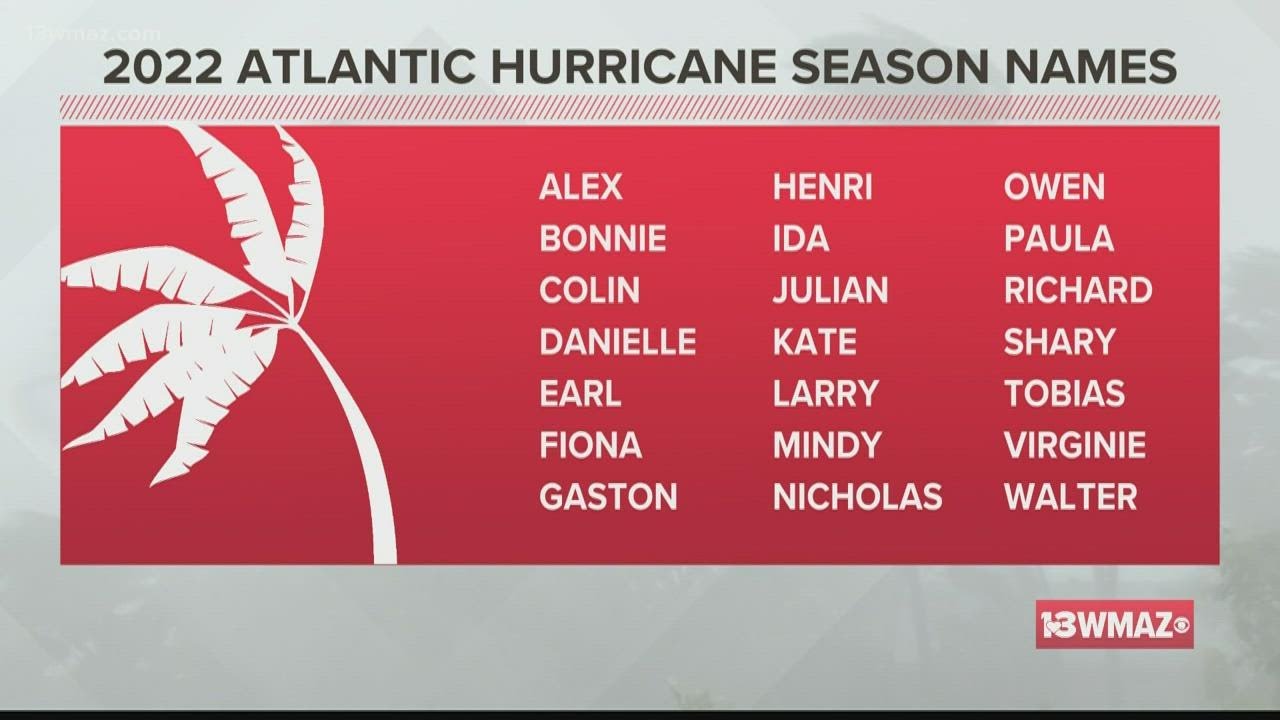
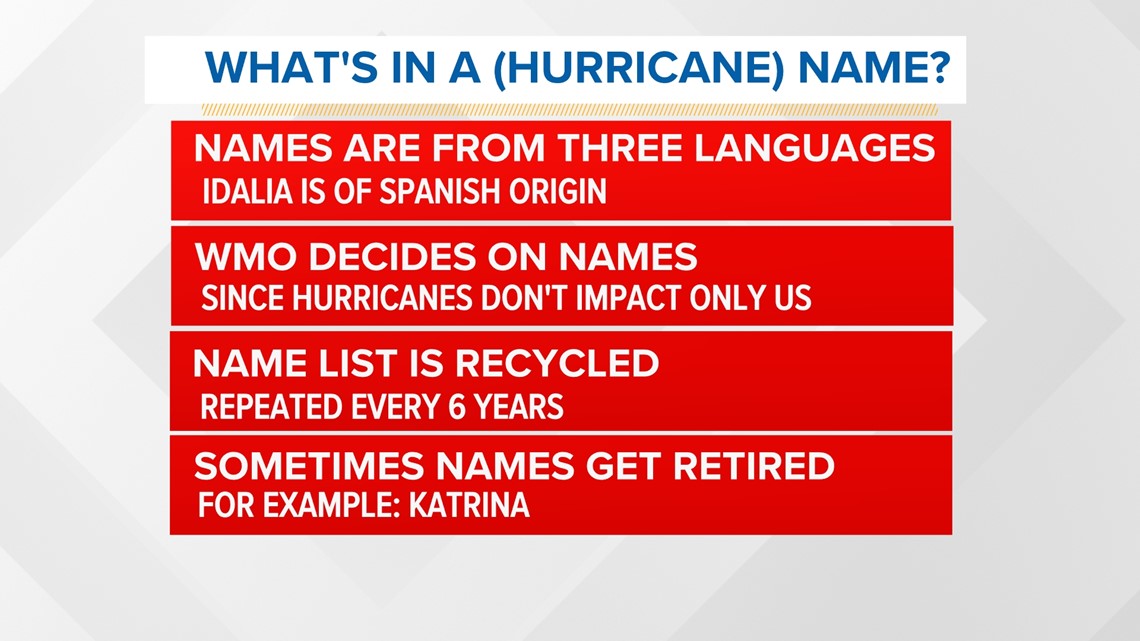
So, how do they do it? Basically, there's a list. A carefully curated list. Think of it as the ultimate popularity contest, but for catastrophic weather. The World Meteorological Organization (WMO) maintains these lists. They're the boss of all things weather-related, globally.
Each year, they pull a new list. There are six lists in total, and they rotate every year. So, the 2024 list will be back in 2030. Neat, right?
Must Read
Each list contains names, one for each letter of the alphabet (except Q, U, X, Y, and Z...poor letters, always getting left out!). The names alternate between male and female. It's all about equality, even in the eye of the storm!
Why no Q, U, X, Y, and Z? Good question! Apparently, it's tough to find enough common, easy-to-pronounce names that start with those letters. So, those letters get a raincheck.
The first storm of the season gets the first name on the list. The second storm gets the second, and so on. Simple, huh?
Retiring the Bad Apples (or Hurricanes!)
But what happens when a storm is really bad? Like, so bad it becomes infamous? That's when the name gets retired. Think Katrina, Harvey, Maria... those names are officially banished from future lists. They're too associated with devastation and loss.
It's kind of like a "Hall of Shame" for hurricane names. The WMO votes to retire a name. It's their way of paying respects to those affected and avoiding causing further distress.
Imagine being named after a particularly destructive storm! Yikes, that would be a conversation starter. "Hi, I'm Harvey." "Oh... the Harvey?" Awkward.
When a name is retired, the WMO selects a new name to replace it. This ensures the lists stay complete and ready for future seasons. It's all very organized and efficient (well, except for the actual hurricanes, which are neither of those things).
A Little History Lesson (Without the Nap!)
Did you know they didn't always name storms like this? Back in the day, they used to use latitude and longitude! Can you imagine trying to remember “Hurricane 26.5 North, 80.3 West”? That sounds like a math test, not a weather warning!
Then, they switched to women's names. This was in the mid-20th century. It was, um, a bit sexist, let's be honest. The idea was that storms, like women (apparently), were unpredictable and emotional. Yeah... not the best look.
Thankfully, they wised up! In 1979, they started alternating between male and female names. Progress! Now, hurricanes represent everyone equally, in their destructive fury.

International Intrigue (And More Lists!)
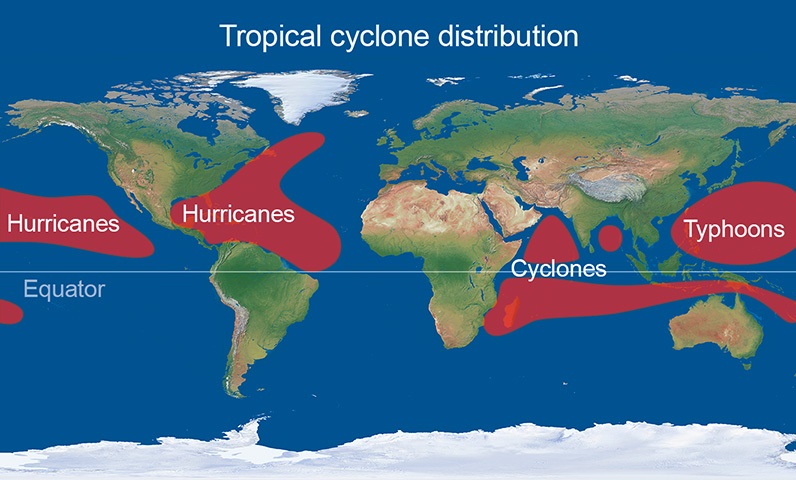
It's not just the Atlantic and Eastern Pacific that get names. Other regions have their own systems. The Central Pacific uses a different set of Hawaiian names. The Western Pacific has a huge list of names contributed by various countries in the region. Talk about international collaboration!
Each region has its own naming conventions and rules. It's a global effort to keep track of these powerful storms. And it makes for some pretty interesting trivia!
Fun Fact: Some cultures believe that giving a storm a name can somehow influence its behavior. It's like they're trying to negotiate with the weather! "Okay, Hurricane Bob, be nice, please!"
So, Why Bother Naming Them At All?
Okay, so why go through all this trouble? Simply put, names make it way easier to communicate about storms. Imagine trying to track multiple hurricanes at once without names. It would be chaos! "The one near Florida..." "No, the other one near Florida..."
Names make it easier for the media, emergency responders, and the public to follow the progress of a storm. They also help avoid confusion when multiple storms are active at the same time. It's all about clarity and efficiency when lives are on the line.
And let's be real, "Hurricane Gertrude" just sounds more memorable than "Tropical Cyclone 3." Names give these powerful forces of nature a certain… personality. (Even if it's a destructive one!)
So there you have it! The fascinating, slightly quirky, and surprisingly organized world of hurricane naming. Now you can impress your friends with your newfound knowledge! And maybe, just maybe, you'll appreciate those weather reports a little more next time a storm is brewing. Stay safe out there!