
How Do They Come Up With Names For Hurricanes
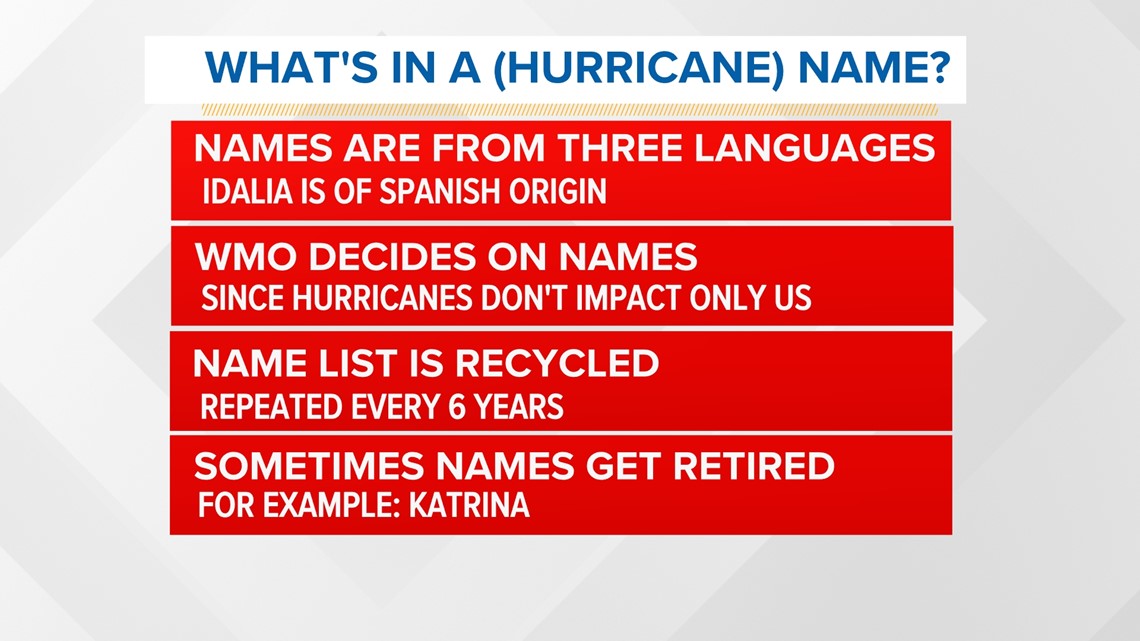
Ever wonder how hurricanes get their names? It's not like they draw them out of a hat (though, wouldn't that be fun?). Let's dive into the surprisingly organized (and slightly quirky) world of hurricane naming!
Who Decides These Things, Anyway?
Turns out, there's a committee for everything. In this case, it's the World Meteorological Organization (WMO). They're a branch of the United Nations, and they're the official name-givers for tropical cyclones worldwide. Imagine being on that committee!
They don't just pick names willy-nilly. There's a whole system!
Must Read
The List: It's Longer Than You Think
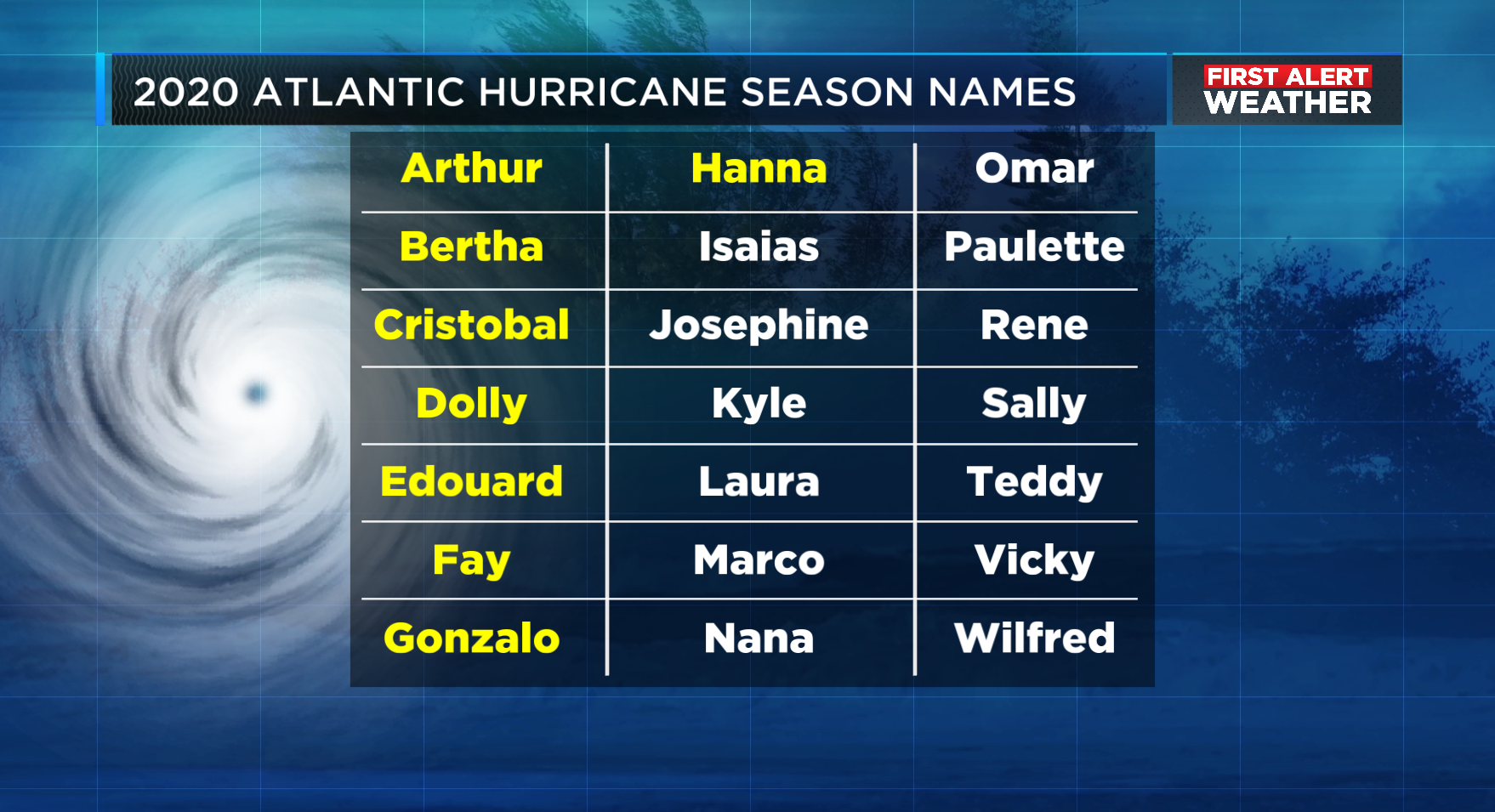
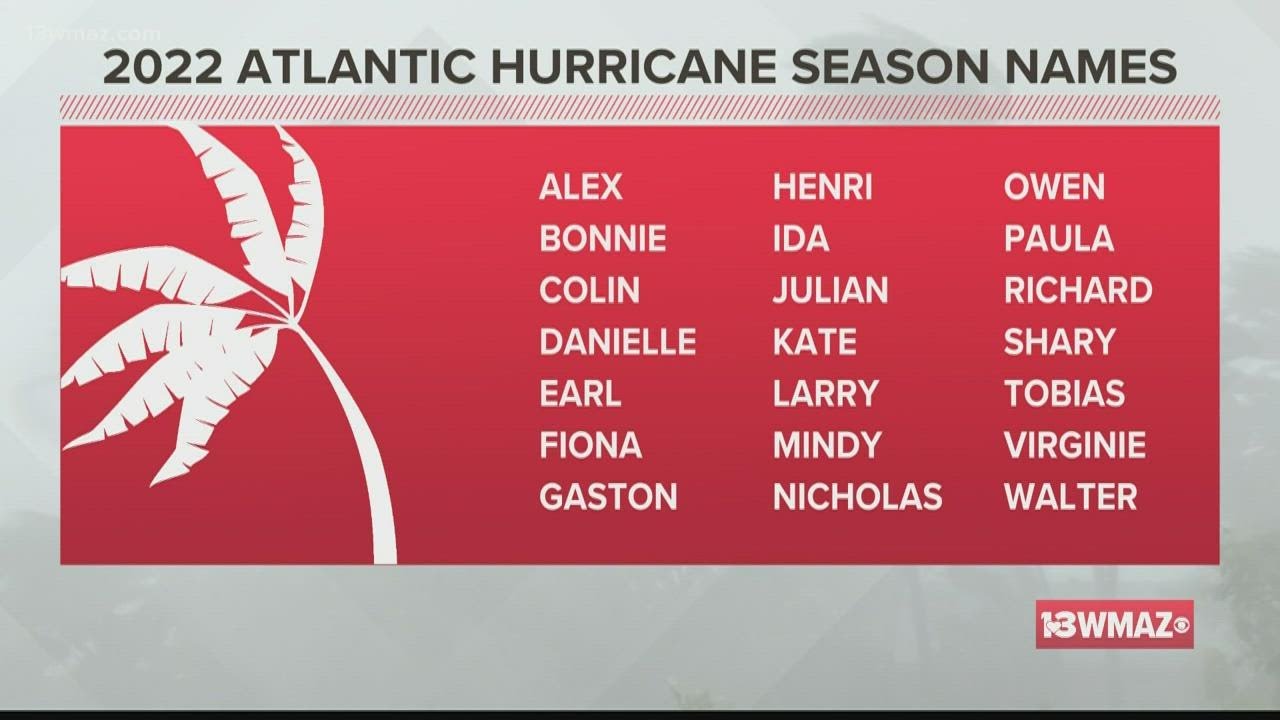
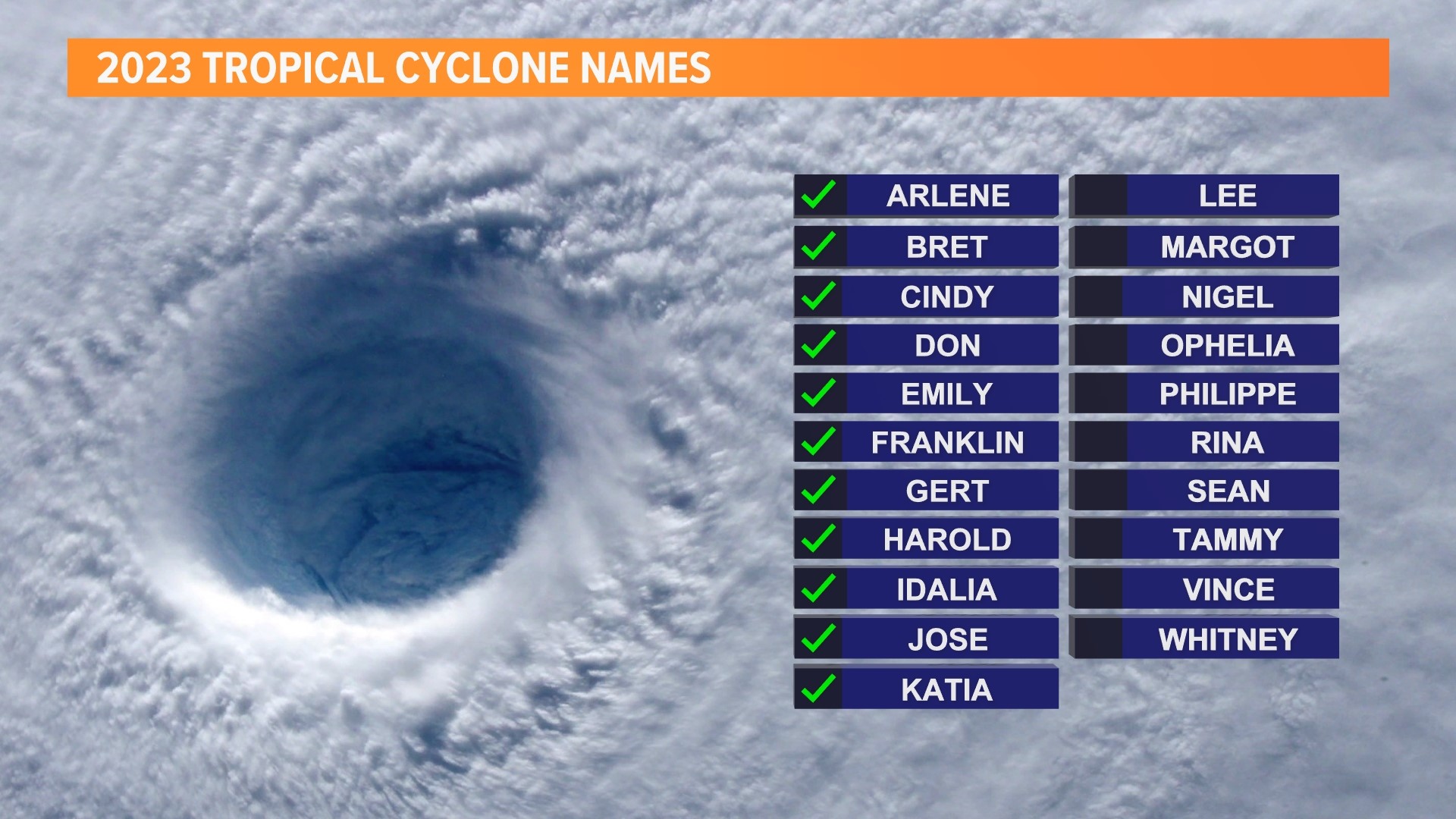
The WMO actually has six different lists of names. Each list contains 21 names. One for each letter of the alphabet (except Q, U, X, Y, and Z - those letters are apparently too tricky to find good names for). These lists rotate! So, the list used in 2024 will be used again in 2030. Pretty neat, huh?
That means they’re planning hurricane names years in advance! Talk about foresight.
From All-Female to Gender Equality
Interestingly, for a long time, only female names were used! Back in the day (like, the 1950s), weather forecasters apparently thought female names were easier to remember. Yikes. Thankfully, times have changed. In 1979, they started including male names too, bringing a bit of gender equality to the storm scene.
But What if a Storm is REALLY Bad?
This is where things get interesting (and a bit morbid). If a hurricane is particularly devastating – like, caused a ton of damage or loss of life – its name gets retired. It's basically considered too infamous to be used again.
Think of it like a villain getting permanently written out of a superhero comic book.
Examples of retired names include Katrina, Andrew, and Sandy. These storms caused so much damage that using their names again would be, well, a little insensitive. It's a small but important gesture of respect for those affected.
What About Really, Really Bad Storms?
Okay, here's where the system shows its limits. What happens if we run out of names on the list for a particular year? It can happen! The Atlantic hurricane season can be intense.

Until recently, the Greek alphabet was used. Alpha, Beta, Gamma… but after the extremely active 2005 season, which saw storms like Hurricane Beta, that system was deemed… confusing. Plus, it just wasn't working! Now, a supplemental list of names is used instead.
So, if you see a hurricane named "Adalia" or "Braylen," you know it's been a particularly busy year!
So, Why Bother Naming Them at All?
You might be thinking: why bother naming hurricanes in the first place? It's more than just for fun (though it does make talking about them a little less dry).
Naming hurricanes helps to avoid confusion. It's much easier to refer to "Hurricane Ian" than to say "that hurricane that hit Florida on September 28th, 2022." It's especially helpful when multiple storms are active at the same time. Imagine trying to keep track of multiple unnamed swirling masses of doom!
Plus, the names make it easier for the media to report on the storms, for emergency responders to plan, and for the public to stay informed.
Fun Facts to Drop at Your Next Party
- The name "Hurricane" comes from the Carib word "huracan," which means "evil spirit of the wind." Spooky!
- Some cultures have different naming conventions. In the Western North Pacific, for example, storms are often named after flowers, animals, or even celestial objects!
- You can actually nominate a name for consideration! It's a long shot, but hey, you never know. Maybe your Aunt Mildred could become a legendary hurricane (in name only, of course!).
So, next time you hear about a hurricane barreling towards the coast, you'll know a little bit more about the fascinating (and slightly strange) process behind its name. It’s a system designed for clarity, respect, and a little bit of forward-thinking preparedness. Stay safe out there!