
How Do Solar Cells Work Diagram
Imagine a tiny superhero that quietly sits on your roof, soaking up sunshine and turning it into something truly useful. That's pretty much what a solar cell does, and honestly, it’s one of the coolest tricks science has ever pulled off! It's like a magic show, but instead of rabbits from hats, we get electricity from light.
So, how does this incredible feat happen? At its heart, a solar cell is all about capturing the energy from the sun's rays. It doesn't have any moving parts, no gears whirring or fuel burning – just pure, silent transformation. It's quite special because it takes something abundant and free, like sunshine, and makes it work for us.
The real star of this show is a material called silicon. You might know silicon from computer chips, and that's no coincidence! It’s a special kind of material known as a semiconductor, meaning it can sometimes conduct electricity and sometimes not. This "in-between" nature is exactly what makes it perfect for catching sunlight.
Must Read
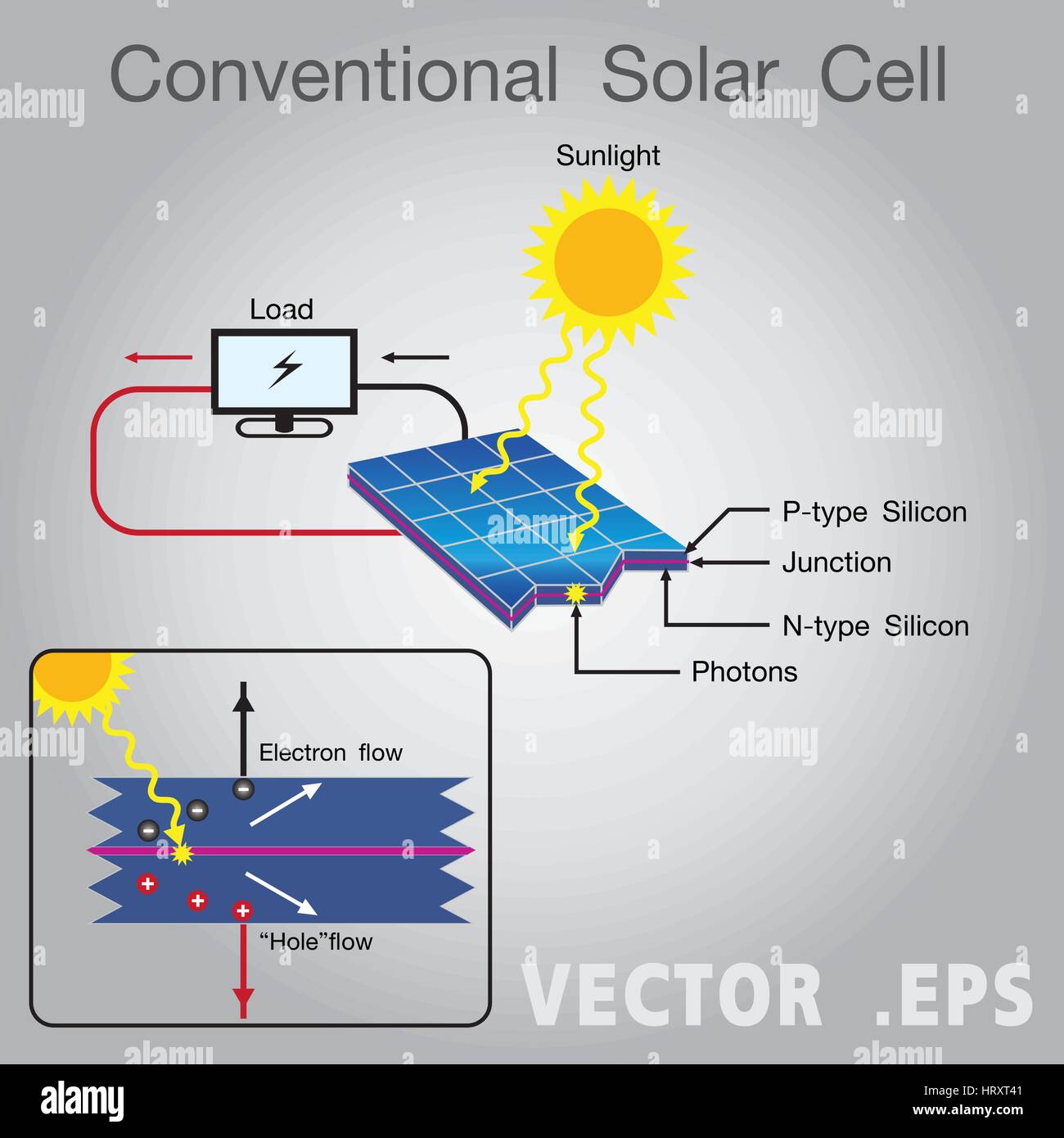
Think of a solar cell as a delicate sandwich, with several layers designed to play perfectly together. At the very core, we have two different types of silicon, cleverly named p-type and n-type. These aren't just fancy names; they describe how each silicon layer has been slightly "doped" or tweaked with other elements.
The n-type layer has extra electrons – tiny, negatively charged particles that are eager to move. On the other hand, the p-type layer has "holes" where electrons should be, making it positively charged and quite inviting to those electrons. It's like one side has too many playful puppies and the other has empty puppy beds.
When these two layers, the p-type and n-type, are placed next to each other, something incredible happens. An invisible force field, called an electric field, forms right at their junction. This field acts like a bouncer, pushing any loose electrons from the p-type side over to the n-type side.
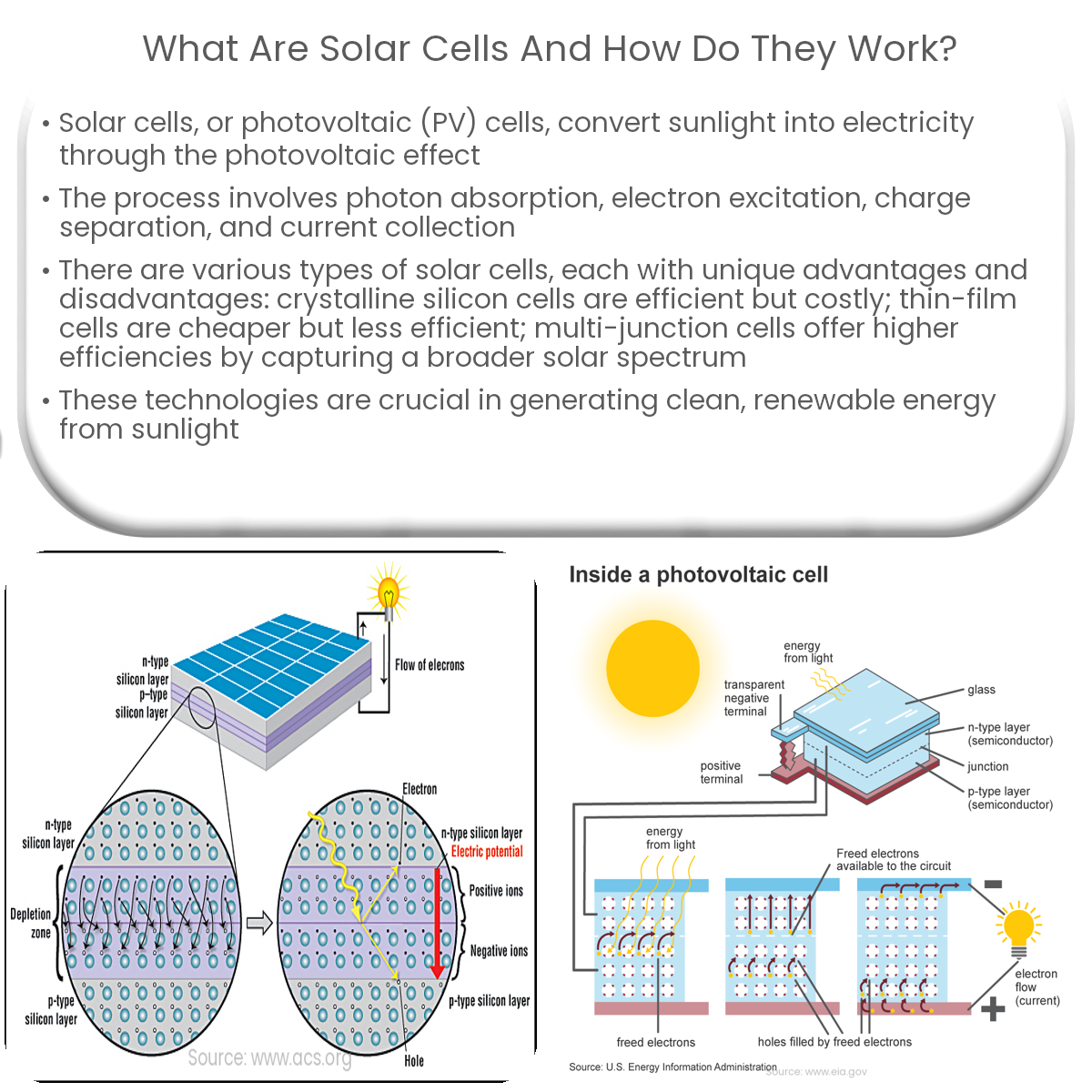
This creates a natural separation, where the electrons pile up on one side and the "holes" gather on the other. It's like setting up a starting line for a race, where everyone is ready to go. This electric field is absolutely crucial for directing the flow of electricity.
The Sun's Energetic Kick-off!
Now, here comes the true star of the entire process: sunlight itself! Sunlight isn't just a warm glow; it's made up of tiny packets of energy called photons. Think of photons as miniature energy bullets, traveling incredibly fast from the sun.
When these energetic photons smack into the silicon layers of the solar cell, they transfer their energy. This energy is exactly what those patiently waiting electrons need to get really excited. The photons literally give the electrons a powerful "kick"!
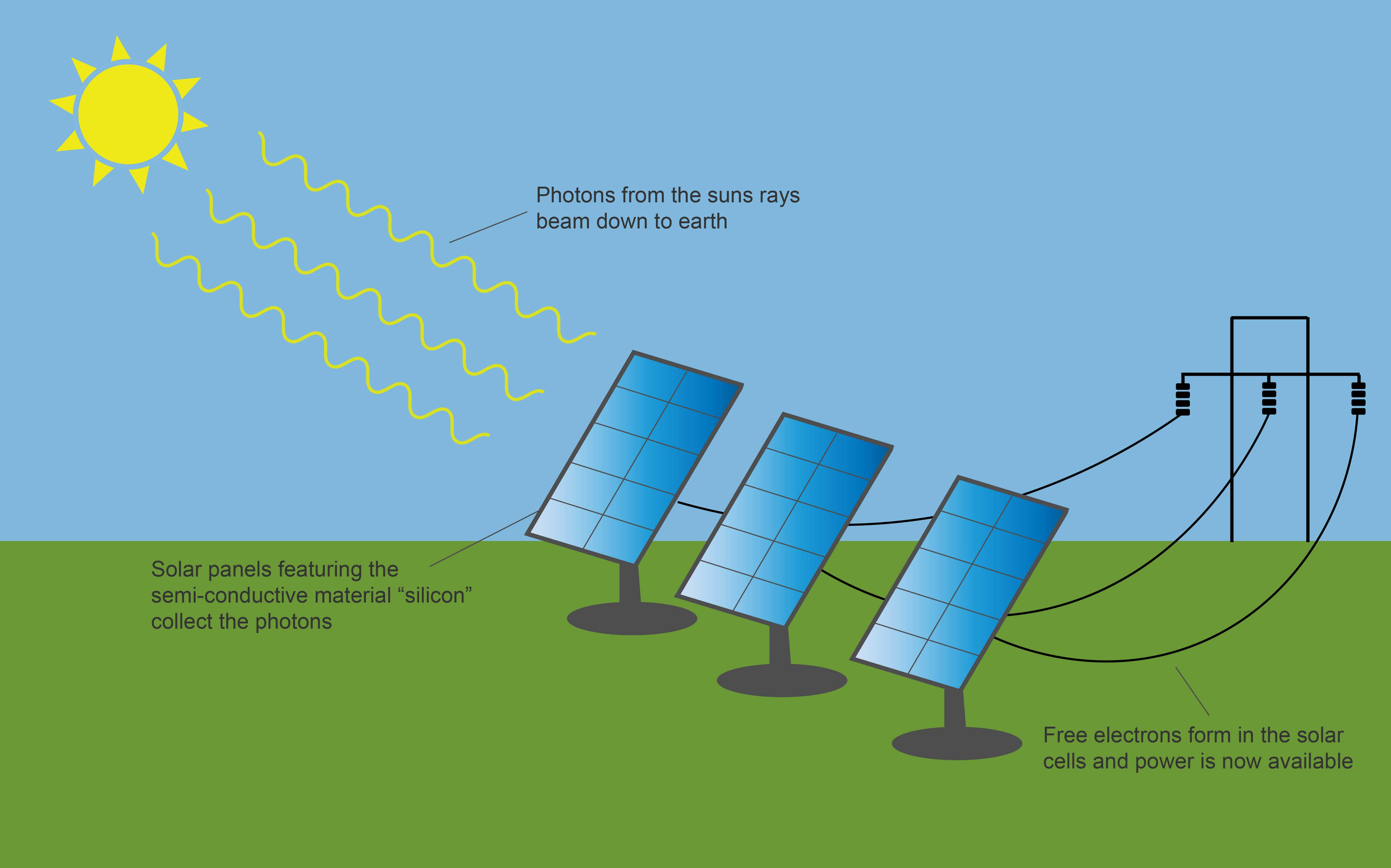
Once kicked, these newly energized electrons suddenly have enough juice to break free from their atoms. They become free agents, buzzing with energy and looking for a path to move. This is where the magic really starts to flow!
The Electron's Exciting Journey
With the help of that internal electric field (our "bouncer"), these liberated electrons are all pushed in one specific direction. They are guided from the p-type layer across the junction and into the n-type layer. It's a one-way street for these energetic travelers!
To make this movement useful, the solar cell has metal contacts on the top and bottom layers. These contacts are like tiny little roads, collecting all the excited electrons that gather on the n-type side. These roads then connect to an external circuit, usually a wire.
As the electrons move through this external wire, trying to get back to the p-type side (where they left the "holes"), they create an electric current. This continuous flow of electrons is exactly what we call electricity! It's a never-ending loop as long as the sun is shining brightly.

This direct current (DC) electricity then typically goes to an inverter, a clever device that changes it into alternating current (AC). AC is the type of electricity your home appliances use, making your solar power instantly usable. From there, it powers your lights, charges your phone, and runs your fridge – all from sunlight!
Why It's So Entertaining and Special
"Harnessing the sun isn't just smart, it's a silent revolution – making clean power fun!"
The sheer ingenuity of this process is what makes it so special. There are no fumes, no loud engines, and no complicated moving parts to break down. It’s a completely clean, quiet, and elegant way to generate power, using the most abundant energy source we have: the sun! It feels a bit like having your own miniature, eco-friendly power plant right on your roof.
Thinking about "how do solar cells work diagram" makes it even more fun because you can literally see the journey. A good diagram breaks down these invisible forces and tiny particles into clear, understandable steps. You can visually trace the photon hitting, the electron jumping, and the current flowing, making the science incredibly tangible.

It’s entertaining because it turns a seemingly complex physics problem into a simple, logical sequence. You get to witness the transformation of light into useful energy, a process that feels a little bit like magic but is pure science. It makes you appreciate the power of nature and human innovation all at once.
The special part is knowing that every bit of electricity generated this way reduces our reliance on less sustainable options. It's empowering to think that your home could be running on pure, fresh sunshine. It's a step towards a cleaner, brighter future for everyone.
Understanding the diagram shows you the elegant dance between light, silicon, and electrons. It highlights how carefully engineered layers work in harmony to produce something vital for modern life. It’s truly a marvel of engineering and a testament to clever design.
So next time you see a solar panel, remember the incredible miniature power plant hidden within its sleek surface. Think of the millions of tiny photons giving energy to countless electrons, all orchestrated by those clever silicon layers. It's a silent, powerful, and utterly fascinating process that powers our world, one ray of sunshine at a time!