
How Do Radiators Work In Apartments
Ever walked into your apartment on a chilly day and felt that cozy warmth radiating from… well, the radiator? But have you ever actually stopped to think, "Hey, how does this thing actually work?" Don't worry, you're not alone! It's one of those everyday mysteries we often overlook. But trust me, understanding your radiator is not only fascinating, it can actually make your life a little bit more fun!
So, let's dive in and unravel the magic behind those metal marvels heating our apartments. Prepare to be amazed (or at least mildly entertained)!
The Super Simple Explanation: Hot Water Highway
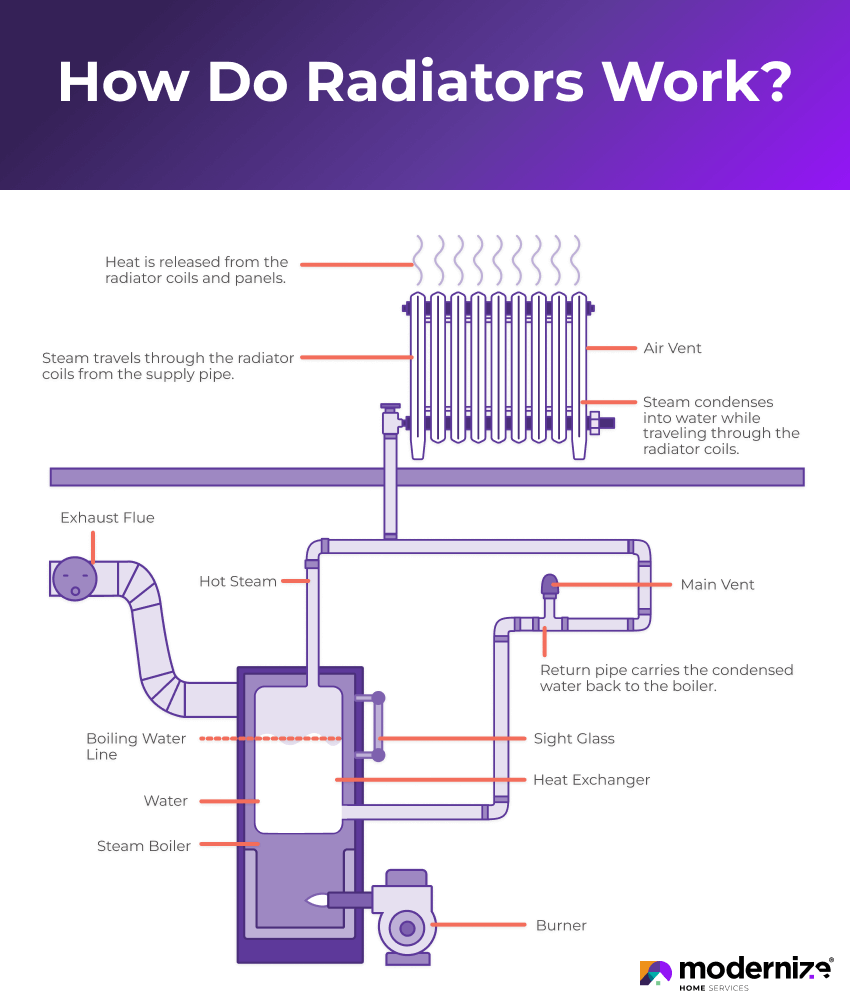
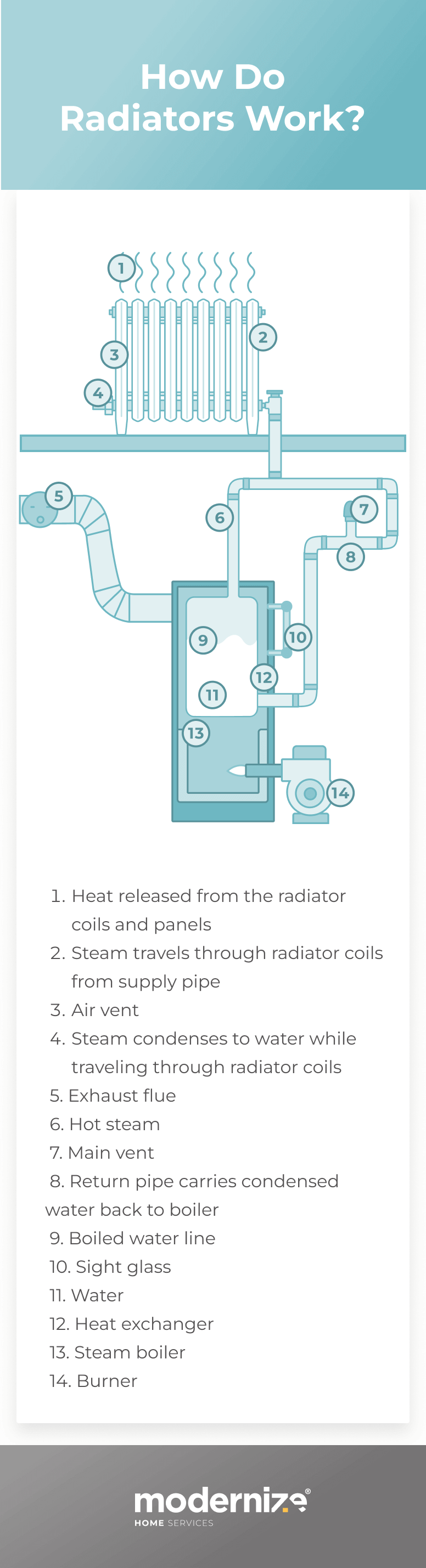
Okay, so here's the basic idea: Radiators in most apartments are essentially glorified metal boxes filled with hot water. I know, sounds underwhelming, right? But stick with me! This hot water travels through a network of pipes from a central heating source, usually a boiler located somewhere in your building (probably a basement dungeon, but let's not dwell on that).
Must Read
Think of it like this: your building has a massive hot water heater, and the radiator in your apartment is just one of many stops along the hot water highway. The boiler heats the water, a pump pushes it through the pipes, and voila – hot water arrives at your radiator!
The radiator itself is designed to transfer the heat from the water to the air in your room. How does it do that? Good question!
Metal Magic: Heat Transfer in Action
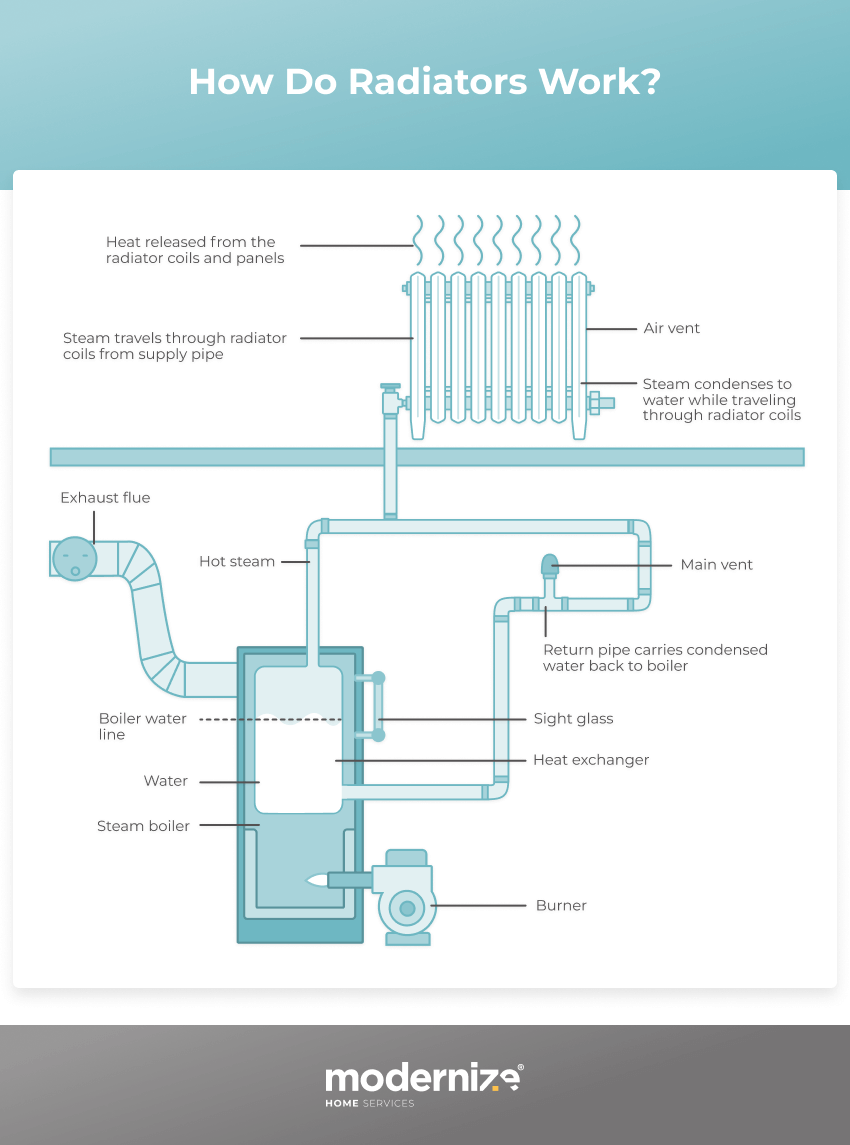
Radiators are typically made of metal, like cast iron or steel, because metal is a fantastic conductor of heat. This means it readily absorbs and then releases heat. The hot water inside the radiator warms up the metal, and the metal, in turn, warms the air around it.
You know when you touch a hot pan (accidentally, of course!) and instantly feel the heat? It’s the same principle at play here, just on a much larger and less painful scale. The radiator's design, often with fins or ridges, increases its surface area, making it even more efficient at radiating (hence the name!) heat into the room. Pretty clever, huh?

So, the key is heat transfer. The radiator acts as a middleman, efficiently transferring the heat from the hot water flowing inside to the air swirling around your apartment. It's like a silent, warm hug for your room!
That Knob: Controlling the Flow
Now, let's talk about that all-important knob on the side of your radiator. That little guy is your temperature control (to some extent, anyway). By turning the knob, you're essentially controlling the amount of hot water that flows into the radiator.
Turning it up? You're letting more hot water in, making the radiator hotter, and warming your room faster. Turning it down? You're restricting the flow, cooling the radiator, and slowing down the heating process. Simple as that! Except... it's sometimes not quite that simple, especially in older buildings with less sophisticated systems. But that's a story for another day!
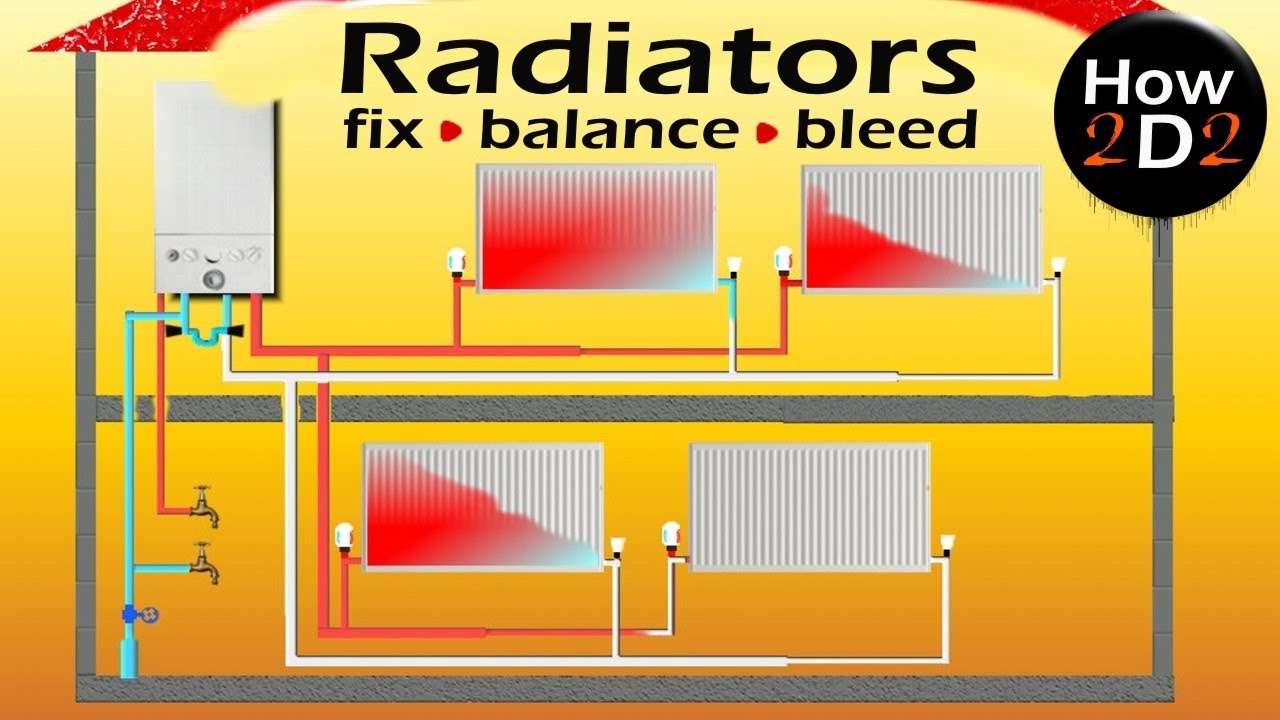
Important note: if your radiator is hissing, gurgling, or just not heating up properly, it might have trapped air inside. Many radiators have a small valve that you can open to release the air. But be careful, hot water can sometimes spray out! If you're not comfortable doing it yourself, call your building's maintenance person.
More Than Just Heat: A Little Radiator Appreciation
Think about it: your radiator is more than just a clunky metal box. It's a source of comfort, a protector against the winter chill, and a testament to the ingenuity of engineering. It's a silent worker, tirelessly providing warmth to your living space.
Okay, maybe I'm getting a little carried away. But seriously, next time you're enjoying the warmth of your radiator, take a moment to appreciate the simple yet effective technology that's keeping you cozy.
Plus, understanding how your radiator works can actually help you save energy and money. Knowing how to adjust the valve to optimize the heating in your apartment can prevent you from overheating (and potentially opening windows in the middle of winter, which is a big no-no!).
So there you have it! The secret life of your apartment radiator revealed! Hopefully, this little exploration has sparked your curiosity and made you appreciate the often-overlooked marvels that make up our daily lives. There’s a whole world of fascinating information waiting to be discovered – from how thermodynamics work to the history of building construction. Who knows, maybe you'll even become a heating and cooling expert! The possibilities are endless!