
How Do Professional Alarm Monitoring Centers Respond To Alarms

Ever had your house alarm blare, out of nowhere, maybe in the dead of night? Your heart jumps, you fumble for the keypad, adrenaline spiking. You’re frantically trying to remember the code while simultaneously wondering, "Is that just a leaf blowing past the window, or is someone actually trying to reenact a heist movie in my living room?"
Most of the time, blessedly, it’s a false alarm. A curious cat, a forgotten open window, or maybe just a particularly aggressive spider triggering a motion sensor. But in that split second of panic, don't you wish there was someone else, someone calm and professional, already on the case, figuring out the truth?
Well, here's the cool part: if you have a professionally monitored alarm system, there absolutely IS someone on the case. In fact, there's a whole team of people! These are the folks at the alarm monitoring centers, and they’re the unsung heroes working behind the scenes, ready to jump into action when your alarm system sends out its digital distress signal. It's not just a loud noise; it's a call for help, and they're the ones answering.
Must Read
When Your Alarm Cries Wolf (or Not!): The Initial Trigger
So, what actually happens the moment your alarm system decides something's amiss? Whether it's a door sensor tripped, a window forced open, a motion detector catching an unexpected guest (two-legged or four-legged, bless those pets!), or even a smoke detector smelling trouble, the process kicks off instantly. Your system doesn't just make noise; it sends a lightning-fast digital signal directly to the monitoring center.
Think of it like an invisible emergency beacon. It's not just "ALARM!" but usually a more specific message: "Front Door Open," "Motion in Living Room," or "Smoke Detector Alert – Kitchen." This information is vital for the monitoring center, giving them a head start on understanding the situation.

The Bat-Signal Arrives: The Monitoring Center Springs to Life
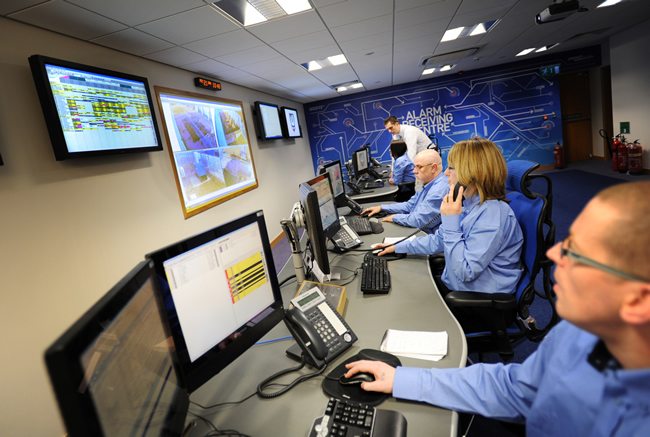
Once that signal hits the monitoring center, it’s received by specialized computers that process the incoming data in mere seconds. This isn't just one guy listening to a wall of beeps; these are sophisticated systems designed for speed and accuracy. An operator is immediately alerted to your specific alarm event.
This is where the magic (and the highly trained human element) comes in. They don't just see a flashing light; they see your account, your contact list, your special instructions, and crucially, the exact nature of the alarm. No guessing games here!
The Human Element: Verification is Key
Now, this is arguably the most critical step, especially because of all those aforementioned curious cats. Before dispatching emergency services, monitoring centers typically follow a verification protocol. Why? To avoid sending police, fire, or EMTs on wild goose chases for, say, a burning toast incident or a strong breeze.
Usually, the first thing they do is try to call you directly on your primary phone number. This is where your verbal passcode comes in handy. If you answer and provide the correct passcode, you can tell them it's a false alarm, and they'll cancel the dispatch. Phew! Crisis averted.

If they can't reach you, or if you don't provide the correct passcode, they'll then move on to your designated emergency contacts – family members, trusted neighbors, friends. The goal is always to verify if there's a real emergency or if it's simply a mistaken trigger. This process is surprisingly fast, often taking less than a minute or two.
Calling in the Cavalry: Dispatching Emergency Services
If the alarm is verified as a legitimate emergency (either you confirm it, or they can't reach anyone on your contact list and the alarm continues), that's when they dispatch emergency services. And they don't just call 911; they call the specific police, fire, or medical department for your exact address.

They provide the responders with all the crucial details: your address, the type of alarm (burglary, fire, medical), and any special instructions you might have, like gate codes or details about your property. This saves valuable time for first responders, allowing them to arrive better prepared and respond more effectively. Talk about peace of mind, right?
After the Dust Settles: Follow-Up and Support
Once emergency services are on their way, or the situation is handled, the monitoring center usually performs a follow-up. They might confirm with you that everything is okay, or ensure your system is reset and ready to go again. Their job isn't just about the initial response; it's about making sure you and your property are secure.
So, the next time your alarm goes off, and you're not sure if it's a rogue dust bunny or a genuine intruder, remember there's a whole team of dedicated professionals on the other end. They're watching, waiting, and ready to act, turning that frantic blare into a methodical, life-saving response. Pretty cool, huh?