How Do Photovoltaic Cells Create Electricity
Imagine a world powered by sunshine, where the hum of your refrigerator and the glow of your lights come directly from the sun’s rays. Seems like science fiction, right? Well, it's not! It's the magic of photovoltaic cells, also known as solar cells, hard at work. We all appreciate a lower energy bill and contributing to a cleaner environment, and that's exactly what these clever devices help us achieve.
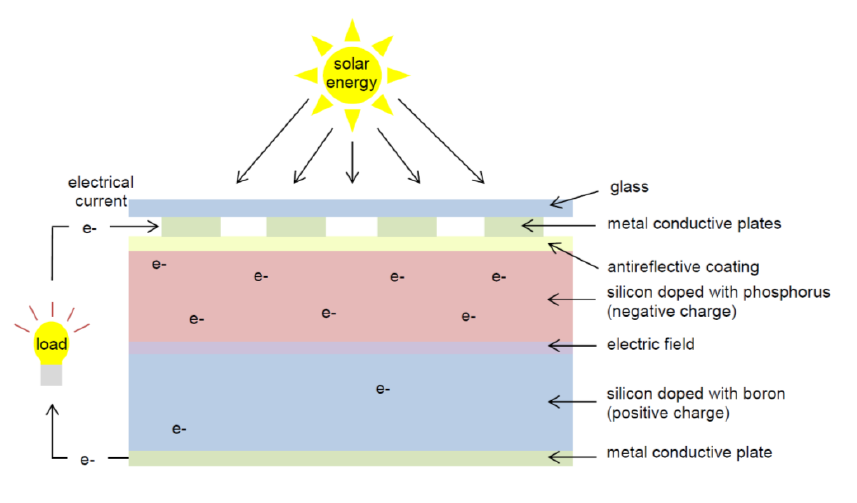
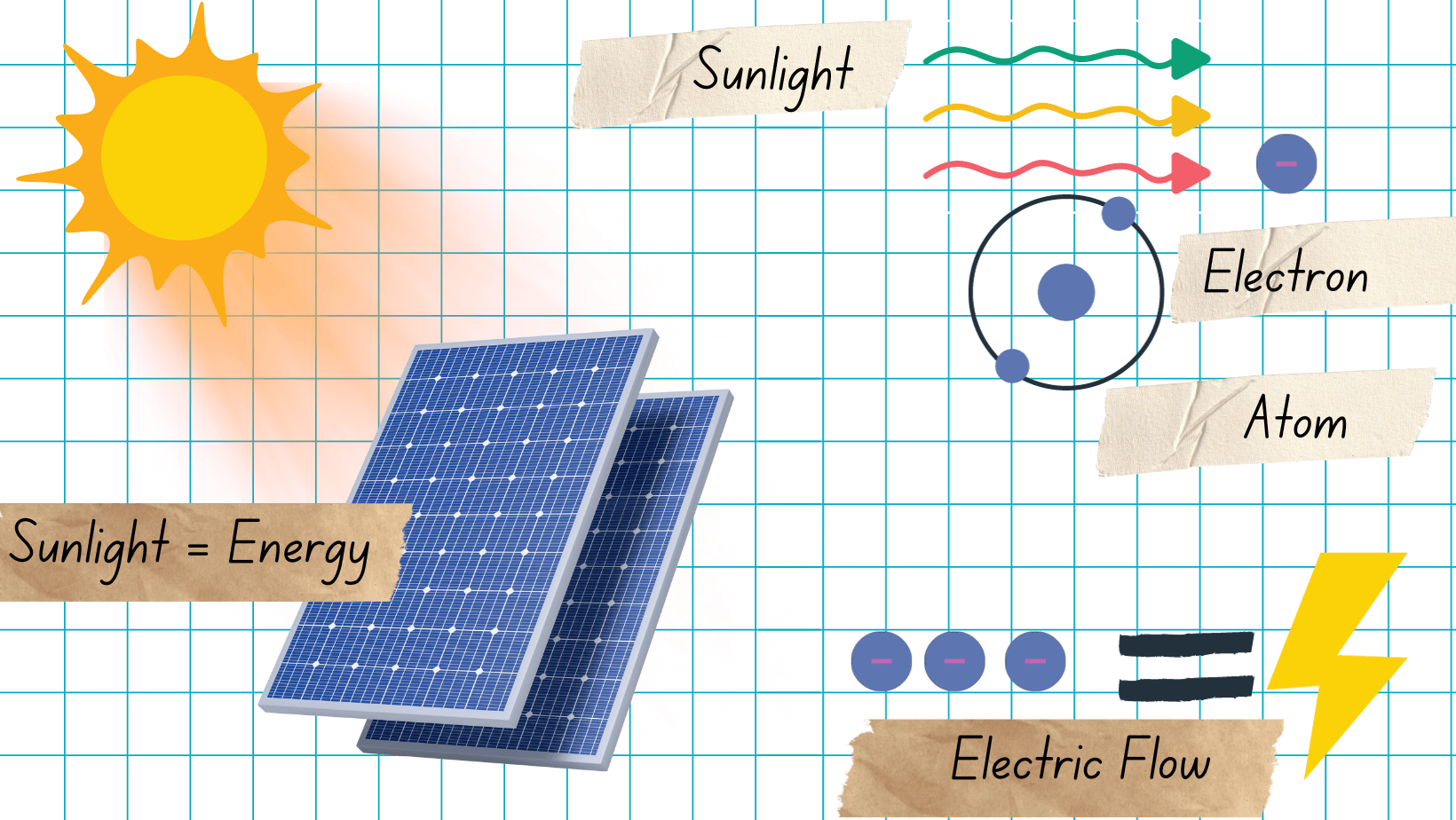
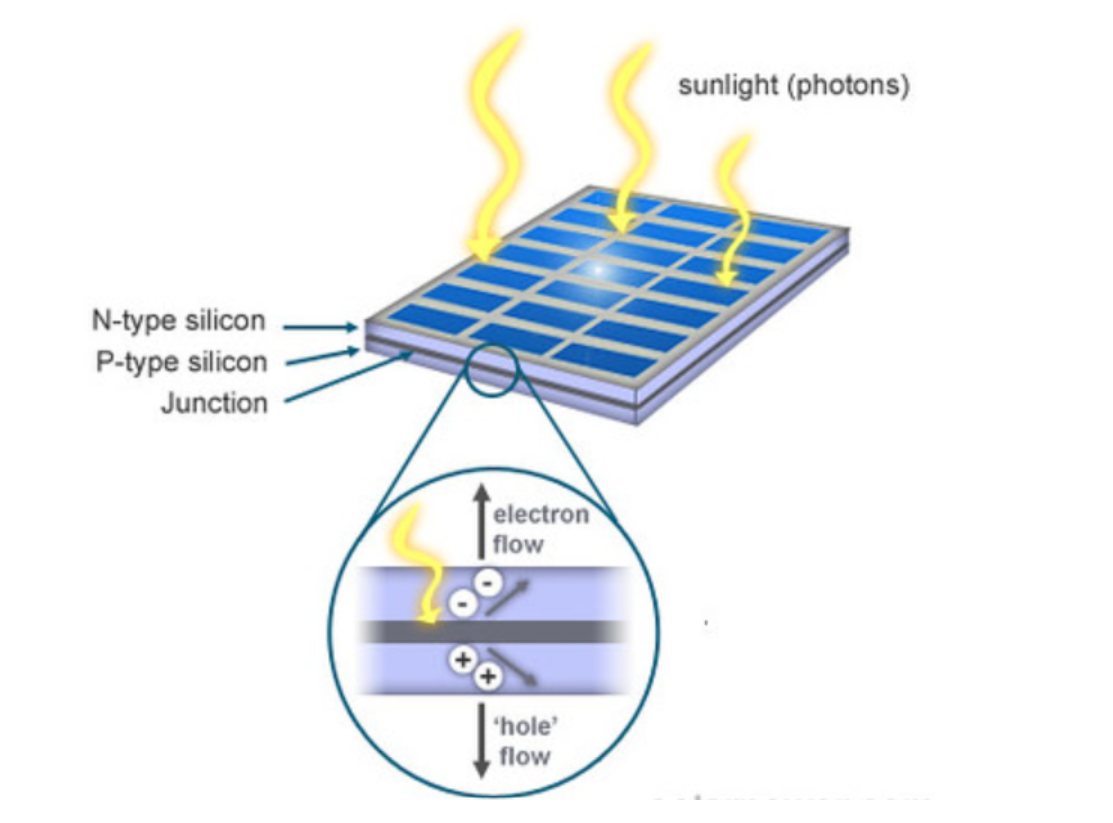
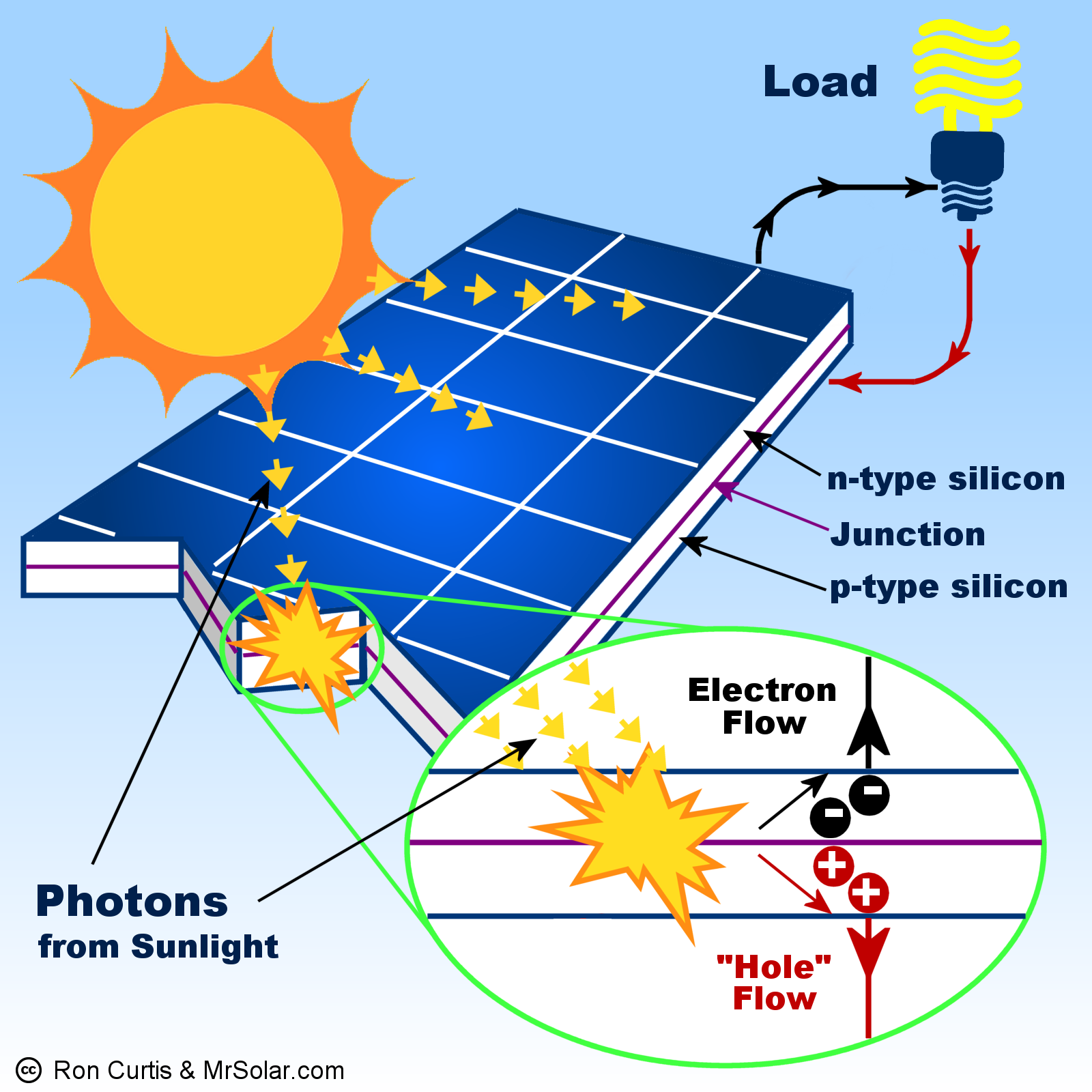
So, how do these little squares of silicon transform sunlight into usable electricity? It's all about a fascinating phenomenon called the photovoltaic effect. Think of it like this: sunlight is made up of tiny particles called photons. When these photons strike the solar cell, they knock electrons loose from the silicon atoms. These freed electrons then flow through an electrical circuit, creating an electrical current. Voila! Sunlight becomes electricity!
But it's not quite as simple as just slapping some silicon out in the sun. Solar cells are carefully engineered with two layers of silicon, one with a positive charge and the other with a negative charge. This creates an electric field, which forces the liberated electrons to flow in a specific direction. Think of it like a one-way street for electrons! This directional flow is what generates the electricity we can use.
Must Read
The benefits of photovoltaic cells are numerous. They provide a clean, renewable energy source, reducing our reliance on fossil fuels and lowering carbon emissions. They can be used in a wide range of applications, from powering homes and businesses to charging small devices like smartphones and calculators. You see them everywhere – on rooftops, in solar farms, even embedded in the emergency call boxes on highways!
You might be surprised at how many common examples there are. Think of those solar-powered garden lights brightening your yard at night, or the solar panels on the International Space Station powering its critical systems. Even the small solar panels on calculators are a perfect example of how these cells can be used in smaller, less demanding applications.

Want to enjoy the benefits of solar energy more effectively? Here are a few practical tips: First, if you're considering installing solar panels on your home, make sure to get a professional assessment to determine the best placement for maximum sunlight exposure. Second, regularly clean your solar panels to remove dust and debris that can reduce their efficiency. A gentle wash with water and a soft brush is usually all it takes. Finally, be mindful of your energy consumption. The less electricity you use, the more self-sufficient you'll be with solar power.
Ultimately, photovoltaic cells offer a promising solution for a more sustainable future. By harnessing the power of the sun, we can reduce our environmental impact and create a brighter future for generations to come. So, the next time you see a solar panel, remember the incredible process that transforms sunlight into the power that fuels our world. It's a truly remarkable technology that's changing the way we think about energy.