How Do Microplastics Affect The Environment
Okay, let's talk microplastics. Tiny bits of plastic everywhere. Sound scary? Maybe. But also... a little overblown? Hear me out.
The Great Plastic Panic: A Tiny Perspective
We're constantly bombarded with news about how awful plastic is. Plastic straws are Public Enemy Number One. Plastic bags are the villains in a superhero movie about saving the planet. And microplastics? They're the sneaky, almost invisible ninjas of environmental doom. But are they really that bad?
I know, I know. Unpopular opinion alert! But let's be real. We live in a plastic world. From our phones to our food containers, plastic is basically the glue holding modern society together. To completely eradicate it is… well, let's just say I’m not holding my breath.
Must Read
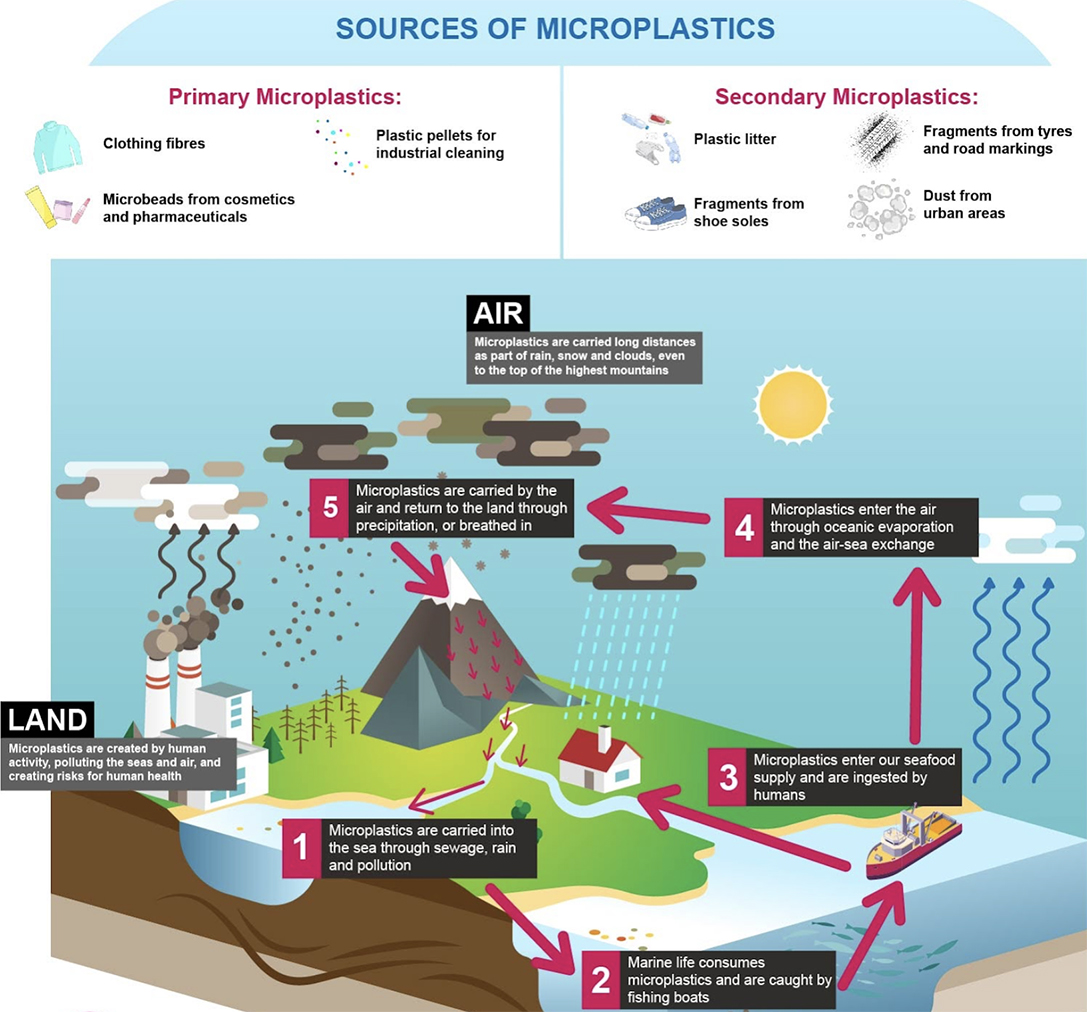
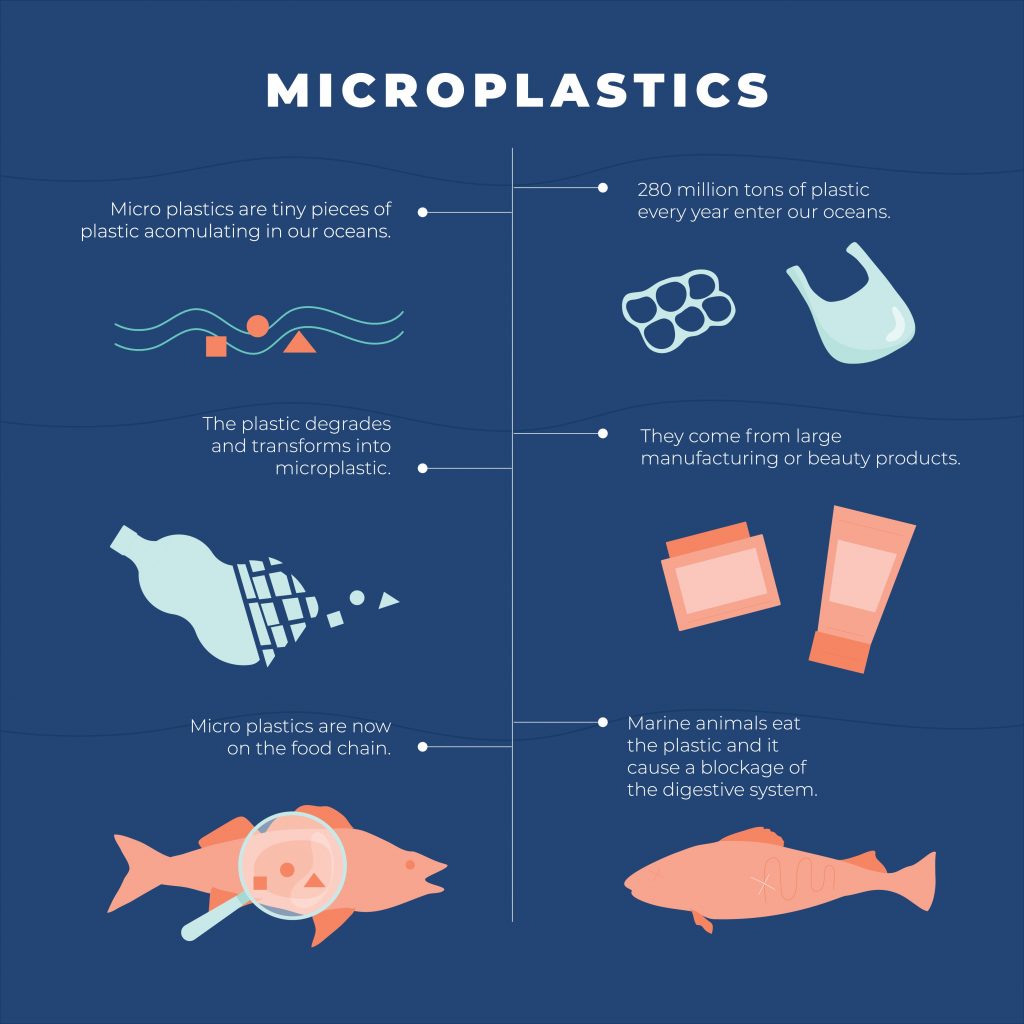
So, what are microplastics doing to our dear planet? The official narrative is terrifying. They're getting into our oceans. Fish are eating them. Then, we're eating the fish! It's a plastic-eating food chain of horror!
And yes, that's probably happening to some extent. I’m not denying it. But let's think critically for a minute. Fish have been eating weird stuff in the ocean for, like, a really, really long time. Remember those weird anglerfish with the glowing lures? They're not exactly picky eaters, are they?

Microplastics: Tiny Trouble or Tiny Tragedy?
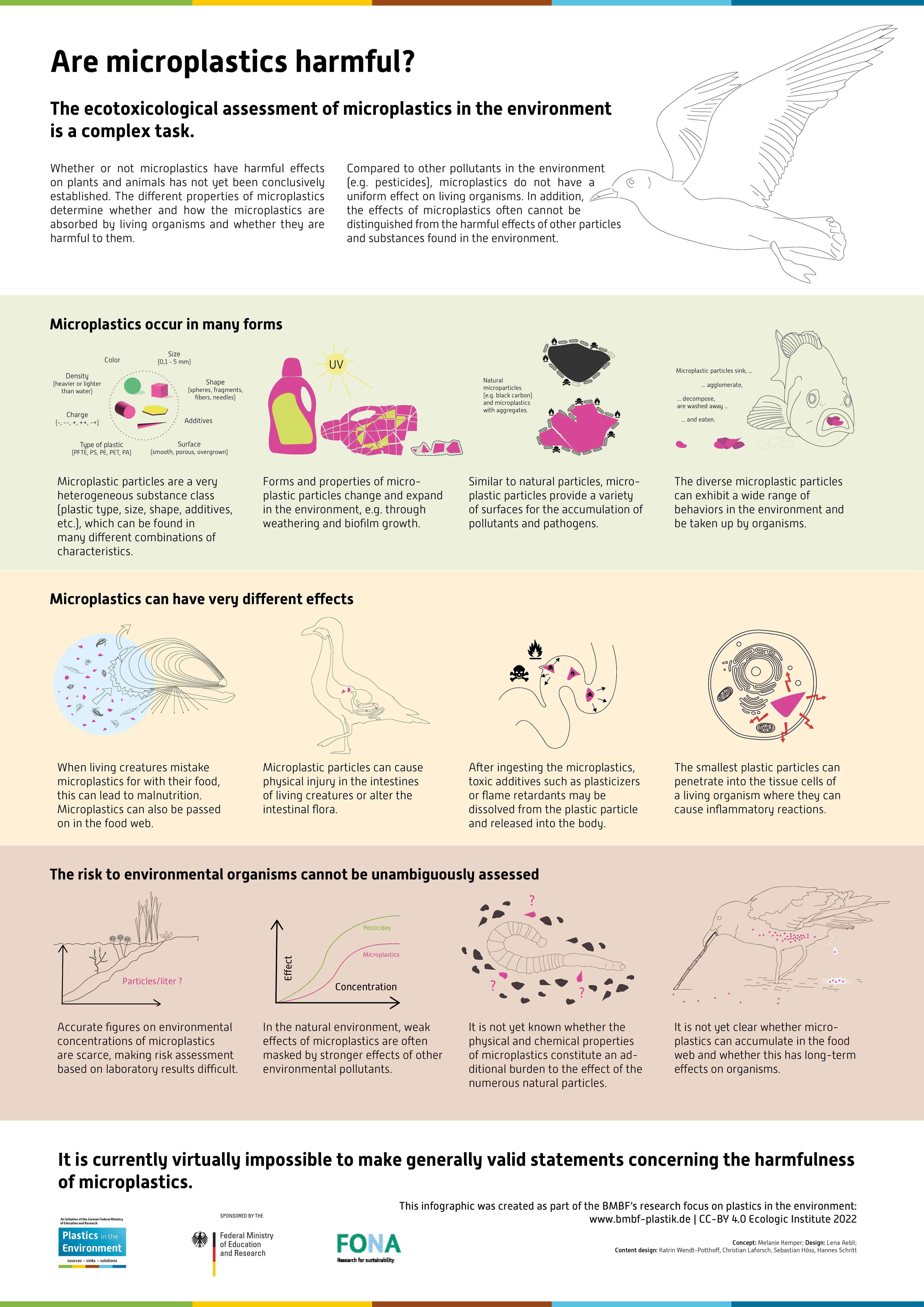
The big worry is that these microplastics are full of nasty chemicals that leech into the fish (and then us!). These chemicals can disrupt hormones, cause cancer, and generally make everything awful. And okay, that's a valid concern. But the dosage makes the poison, right?
Think about it. We're exposed to all sorts of questionable chemicals every day. From the air we breathe (thanks, car exhaust!) to the processed foods we gobble down (yum, artificial flavors!), our bodies are constantly battling a barrage of potentially harmful substances. Are microplastics really the straw (plastic, of course) that breaks the camel's back?
Here's where my unpopular opinion really kicks in: I think we're focusing too much on microplastics and not enough on the bigger picture. We need to tackle the massive plastic waste problem at its source. We need to reduce our reliance on single-use plastics. We need to improve recycling infrastructure (because, let's face it, most of our recycling efforts are a bit of a joke).

“Obsessing over microplastics while ignoring the overflowing landfills and massive ocean garbage patches is like rearranging deck chairs on the Titanic,” I declare dramatically.
And, frankly, we need to be more honest about the benefits of plastic. It's lightweight, durable, and relatively inexpensive. It's kept our food fresh, protected our fragile electronics, and revolutionized countless industries. Demonizing it completely is, in my humble opinion, a bit shortsighted.
The Microplastic Reality Check
So, am I saying we should ignore microplastics altogether? Absolutely not! We should definitely research their effects on the environment and human health. We should try to minimize our exposure where possible. But let's not let the microplastic panic distract us from the real environmental threats: climate change, deforestation, pollution from factories, and the general destruction of natural habitats.
Maybe, just maybe, the whole microplastic thing is a bit of a convenient distraction. It's a tangible, easily understandable problem that makes us feel like we're doing something good when we swap our plastic straws for paper ones (which, let's be honest, disintegrate after about 30 seconds). Meanwhile, the big corporations continue to churn out mountains of plastic packaging, and we happily buy it all.
So, before you get too freaked out about the microplastics in your sushi, maybe take a look around your house and see how much plastic you're actually using. Just a thought. And maybe, just maybe, we can all agree that a little perspective – and a lot more recycling – is what the world really needs.
Now, if you'll excuse me, I'm going to go eat my leftover takeout in a… you guessed it… plastic container. Don't judge me!