How Do Metal 3d Printers Work

Remember when 3D printing burst onto the scene, mostly making funky plastic prototypes and desktop trinkets? It was cool, sure, but a bit… soft. Well, buckle up, because the world of additive manufacturing has gone industrial, gone robust, and gone completely hardcore. We're talking about metal 3D printers, and if that sounds like something ripped straight from a sci-fi blockbuster, you’re not wrong. But how exactly does this magic happen?
At its heart, metal 3D printing is about building objects layer by excruciating layer. Forget melting plastic spools; here, we're playing with serious materials and even more serious temperatures. Think less hobbyist project, more high-tech alchemy.
The Basic Blueprint: Powder, Power, Perfection
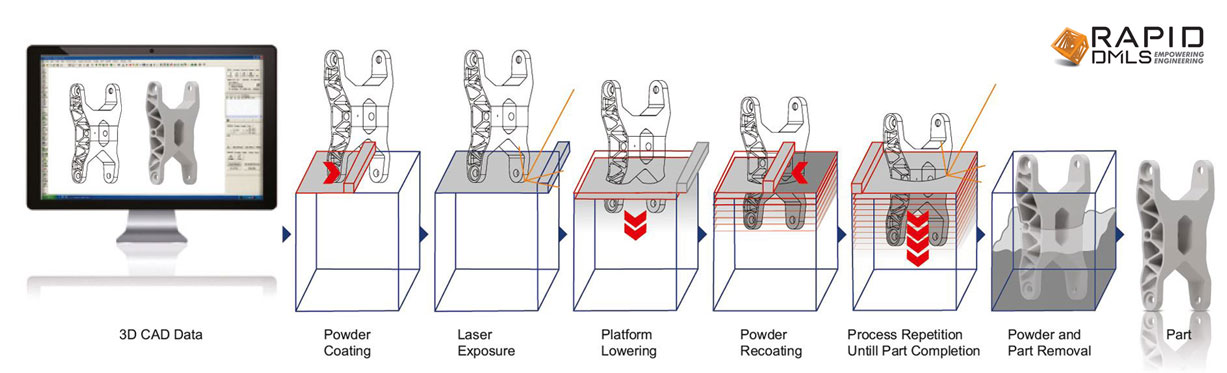
The fundamental principle across most metal 3D printing technologies involves a finely ground metal powder, a powerful energy source (usually a laser or an electron beam), and a whole lot of precision. Imagine a scene: a bed of incredibly fine metal dust, almost like talcum powder, but made of steel, titanium, or aluminum. A machine then selectively fuses parts of this powder together, tracing the cross-section of your desired object. Once a layer is done, the build platform drops ever so slightly, a new layer of powder is spread, and the process repeats until your entire 3D model has been materialized.
Must Read
It’s like drawing with light on a canvas of dust, then burying your creation under more dust, and repeating until it emerges from the earth. Wild, right?
Two Main Players: Laser Love and Binder Bliss
While there are several exciting variations, two methods tend to dominate the metal 3D printing landscape:
1. Selective Laser Melting (SLM) & Direct Metal Laser Sintering (DMLS)
This is probably what comes to mind when you picture sci-fi tech. With SLM (for full melting) and DMLS (for sintering, or fusing without full melting), a high-powered laser zips across the metal powder bed, melting or fusing the particles together in the precise shape of each layer. Picture a super-precise, controlled light saber drawing intricate patterns. The result? Extremely dense, strong, and functional metal parts. These are the workhorses creating everything from aerospace components to custom medical implants that fit your body perfectly. Think sophisticated engine parts for rockets, or tailor-made hip replacements. It's truly amazing.
2. Binder Jetting
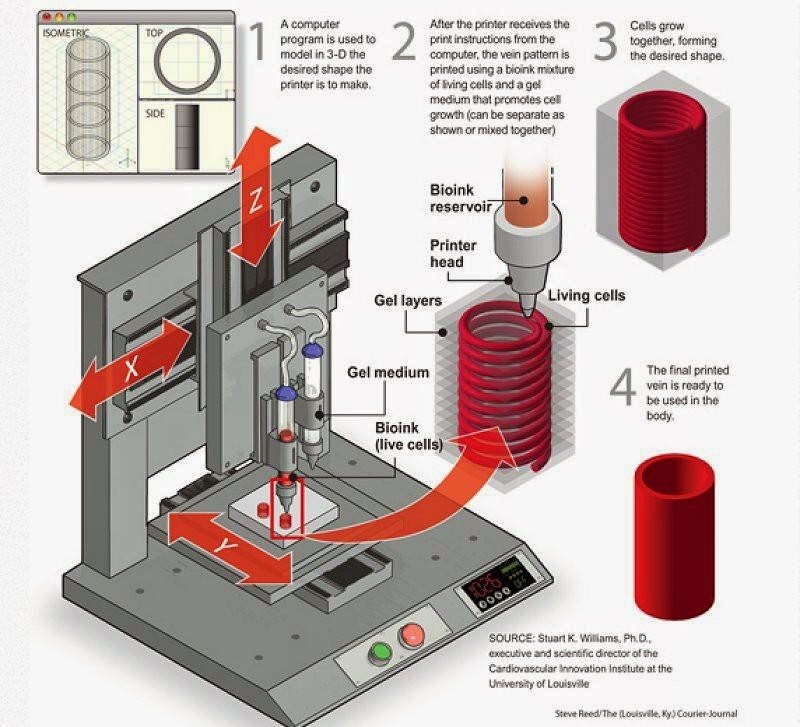
If SLM/DMLS is about melting, binder jetting is more like a super-sophisticated inkjet printer. Instead of a laser, a print head jets a liquid binding agent onto the metal powder bed, gluing the particles together layer by layer. This creates what's called a "green part" – a delicate, porous object that’s not yet fully metal. The real magic happens next: the green part is then moved to a furnace for sintering, where it’s heated to just below its melting point. This burns off the binder and fuses the metal particles into a dense, solid object. Binder jetting is often faster for large batches and allows for incredible geometric complexity, making it fantastic for components with intricate internal channels or for mass production of smaller parts.
Why Is This a Big Deal? The Perks of Printing Metal
Metal 3D printing isn't just a cool party trick; it's revolutionizing industries. Here's why:
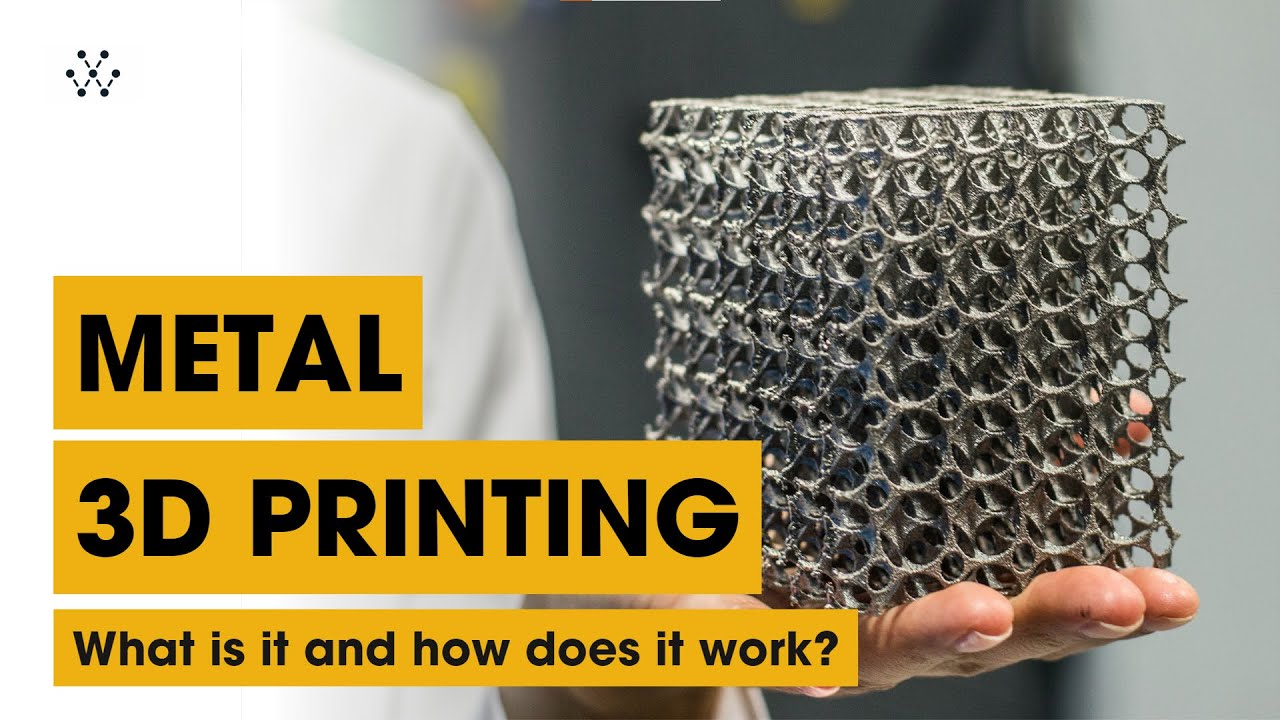
- Unleashed Design Freedom: You can create geometries that are impossible with traditional manufacturing methods. Think hollow parts, intricate lattices, or internal cooling channels – designs that save weight and improve performance. Ever seen how organic shapes improve strength in nature? Now we can mimic that.
- Customization King: From bespoke jewelry to personalized medical devices, metal 3D printing allows for one-off, perfectly tailored parts without the prohibitive costs of traditional tooling.
- Rapid Prototyping: Need a metal prototype yesterday? This tech significantly speeds up the design and iteration process, slashing development times for new products.
- Less Waste: Because you're only building what you need, metal 3D printing is often more sustainable than subtractive methods (like machining, which shaves material away), resulting in less material waste.
Fun Facts & Practical Musings
While you won't be printing your own metal gadgets in your garage anytime soon (these machines are industrial behemoths!), understanding this technology helps you appreciate the future unfolding around us. Did you know the metal powders are so fine, they're often handled in inert gas environments like argon to prevent oxidation or even explosions? And it's not just about the print; post-processing – removing excess powder, heat treating for strength, and surface finishing – is a huge and often beautiful part of the process, transforming a raw printed object into a polished, high-performance component.

Culturally, this isn't just for Iron Man suits (though maybe one day, components!). It's already in our lives: making lighter, more fuel-efficient parts for the planes we fly, crafting dental crowns that fit perfectly, or even contributing to the intricate mechanics of your favorite high-performance sports car. It's quietly shaping the world, one strong, precise layer at a time.
A Reflection on the Everyday
So, the next time you see a sleek new product, or marvel at a piece of engineering, take a moment to consider the materials and methods that brought it to life. Metal 3D printing is a testament to human ingenuity – taking something as elemental as dust and, with focused energy, transforming it into objects of incredible strength, complexity, and beauty. It’s a reminder that even the most complex technologies are built on simple, repeatable steps, transforming raw materials into incredible possibilities that shape our daily lives in ways we're only just beginning to understand. The future, it seems, is truly forged, not just fabricated.