How Do I Report A Scam On Craigslist

Ever found yourself browsing Craigslist, maybe for a vintage lamp, a new roommate, or even a classic car? It's a wonderful, quirky corner of the internet, a true digital flea market where you can find almost anything. But just like any bustling marketplace, there's always the occasional bad apple. That's why learning how to report a scam on Craigslist isn't just about protecting yourself; it’s about becoming a savvy digital citizen and helping keep the community a little safer for everyone. Think of it as developing your own set of digital superpowers!
The primary purpose of knowing this skill is pretty straightforward: it’s to help maintain the integrity and safety of online platforms. By flagging suspicious listings or behaviors, you're not just venting frustration; you’re actively contributing to a cleaner, more trustworthy environment. The benefits are enormous. First, it protects you from falling victim to a potential scam. Secondly, and perhaps more importantly, it helps protect countless others who might encounter the same fraudulent post or user. Imagine preventing someone from losing their hard-earned money over a phantom apartment listing or a non-existent concert ticket. That’s a pretty good feeling, right? It turns you from a potential target into a community guardian, an unsung hero of the internet.
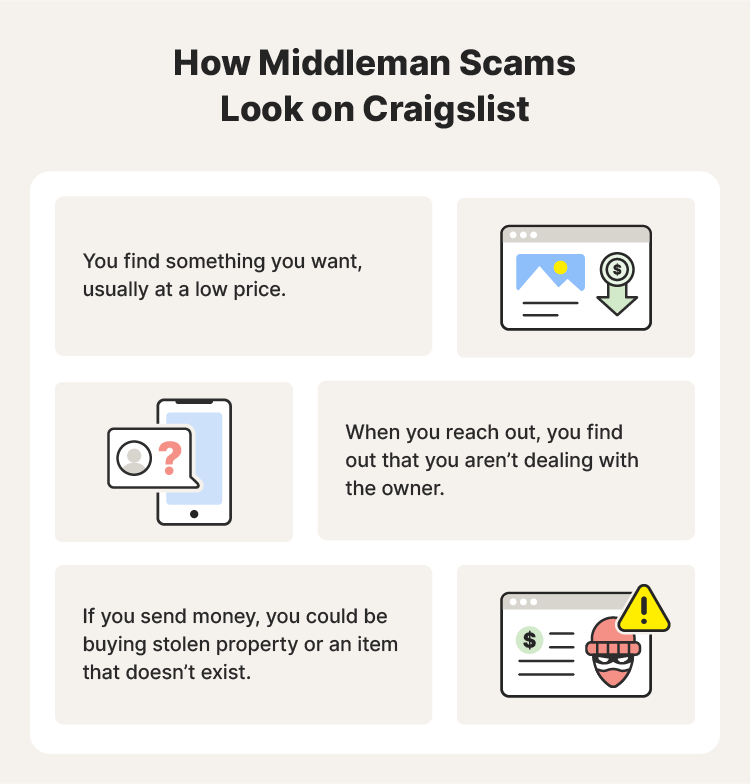
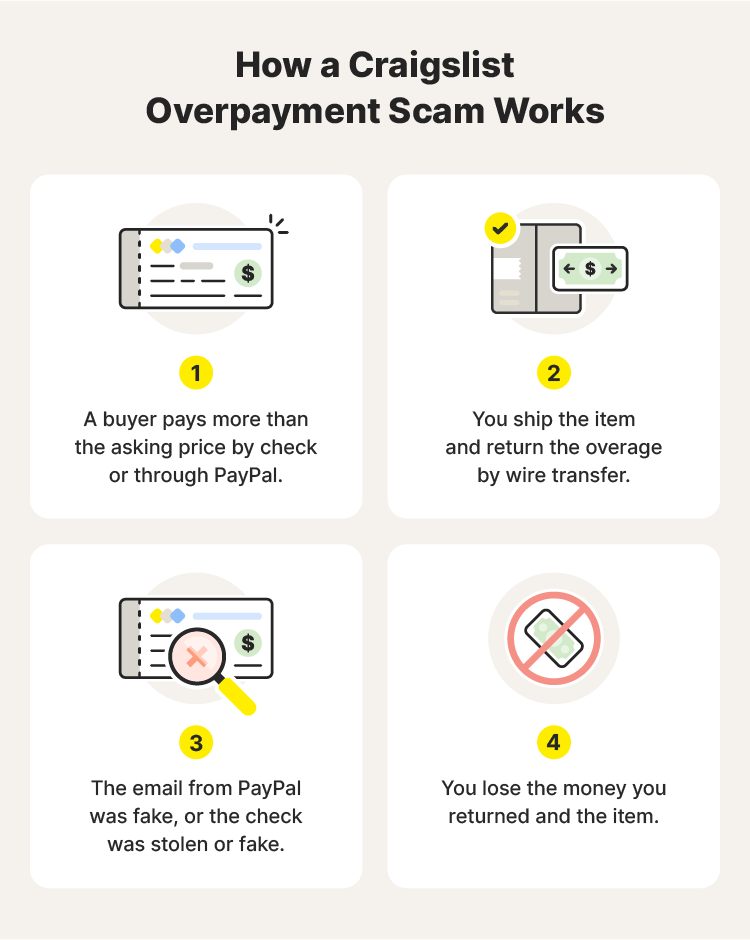
In our daily lives, this knowledge becomes incredibly practical. Let's say you're hunting for a gently used bicycle. You spot one that’s incredibly cheap, the photos look professional, but the seller insists on an unconventional payment method or refuses to meet in person. Your internal alarm bells ring! Knowing how to report it means you can flag that listing immediately, potentially saving someone else from a costly mistake. Or perhaps you're selling an old sofa and a prospective buyer sends a suspicious "overpayment" check, asking you to wire back the difference. Recognizing this classic scam and knowing the steps to report the user to Craigslist helps the platform identify and ban repeat offenders. In an educational context, understanding online scam reporting could be a fantastic module in digital literacy courses, teaching students about critical thinking, online safety, and responsible internet use. It’s a real-world application of cyber security principles.
Must Read
So, how do you actually become this digital detective? It’s surprisingly simple. For a suspicious listing, look for the "prohibited" or "flag" link that usually appears at the top or bottom of the post itself. A quick click and a brief description of why you're flagging it (e.g., "scam," "spam," "fraud") is all it takes. If you've received a suspicious email or interacted with a user via email, you can forward the details directly to Craigslist's customer service, often found in their help section. For more serious financial scams or identity theft, remember to also report it to your local police department and federal agencies like the FTC or IC3. To truly explore this, spend a little time browsing Craigslist's own "Scams" or "Safety Tips" section – they have a wealth of information. Always trust your gut; if an offer feels too good to be true, it probably is. And remember, reporting isn't just about protecting yourself; it's about making our shared online spaces a little bit better, one reported scam at a time. Go forth and be a safety champion!