How Do I Remove A Ceiling Fan
Ever gazed up at an old, wobbly ceiling fan, perhaps one that's a relic from a bygone era, and wondered, "How do I get that thing down?" It's a surprisingly common thought, and something many homeowners consider when sprucing up a room, upgrading their fixtures, or simply wanting a change. Learning how to safely remove a ceiling fan might seem like a daunting task, involving electricity and heights, but with a little guidance and a healthy dose of caution, it's a perfectly manageable DIY project that can be incredibly satisfying.
So, what's the big deal about taking down an old fan? Well, its primary purpose is to clear the way for something new! Maybe you're installing a sleek, modern fan that matches your updated decor, or perhaps you'd prefer a stylish chandelier or a simpler recessed light fixture. The benefits extend beyond mere aesthetics. Removing an old, inefficient fan can lead to better air circulation with a newer model, reduced energy consumption, or simply a quieter room free from the hum and wobble of an aging motor. It also provides a fantastic opportunity to clean the ceiling thoroughly, paint, or make other repairs that were previously obstructed. Ultimately, it’s about reclaiming control over your living space and customizing it to your taste and needs.
This skill isn't just for seasoned DIY enthusiasts; it's a practical life lesson. In daily life, knowing how to remove a ceiling fan comes in handy during a variety of home improvement scenarios: perhaps you’ve just moved into a new home and want to replace outdated fixtures, or you’re renovating a bedroom and that avocado-green fan just isn't cutting it anymore. It’s also invaluable if a fan is broken, making strange noises, or simply needs to be taken down for thorough maintenance. In a broader educational sense, tackling a project like this teaches you about basic electrical safety, the importance of following instructions, and the satisfaction of problem-solving with your own two hands. It's a small step that builds confidence for tackling bigger home projects down the line, demonstrating how careful planning and execution can lead to successful outcomes.
Must Read
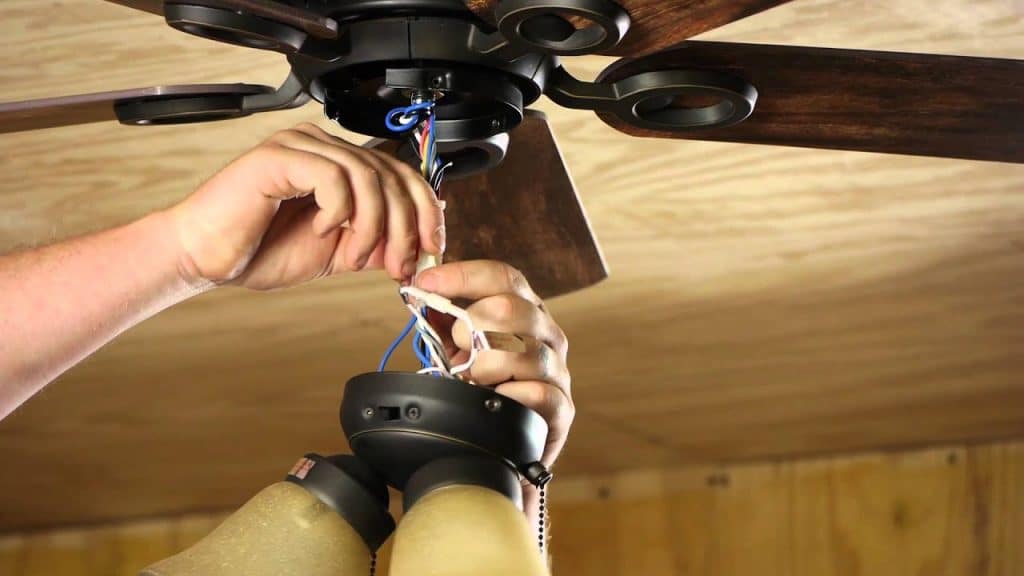
Ready to explore this skill? Here are some practical tips to get you started. First and foremost: safety is paramount. Always turn off the power to the fan at your home's circuit breaker before you touch anything. Don't just flip the light switch; that's not enough! Use a non-contact voltage tester to double-check that the wires are truly dead before proceeding. Gather your tools: you'll likely need a sturdy ladder, screwdrivers (Phillips and flathead), wire nuts, and potentially a wire stripper. A crucial step is to take photos of the wiring connections before you disconnect them; this provides a handy reference if you're installing a new fixture or just want to remember how things were. Don't be afraid to ask for a second pair of hands, especially when the fan unit itself is heavy. Most importantly, take your time. There's no rush when dealing with electricity. Watching a few online video tutorials can also demystify the process, showing you exactly what to expect. With a bit of preparation and patience, you'll find that removing a ceiling fan is an accessible and rewarding home improvement task.