
How Do I Measure A Ceiling Fan
Okay, so picture this: You’re scrolling through Pinterest, envisioning your dream living room. It’s got a huge, gorgeous, modern ceiling fan, right? It’s going to be the centerpiece, the breezy focal point, the epitome of cool… literally. So you dive into online shopping, find the one, hit ‘add to cart’, and wait excitedly for its arrival.
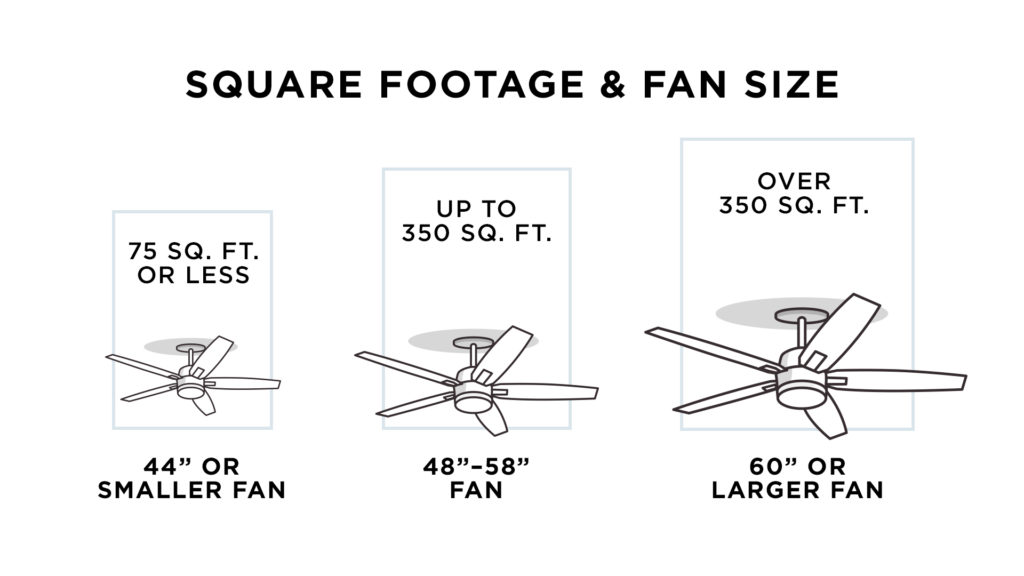
Fast forward to installation day. You open the box, your eyes widen, and a tiny bead of sweat forms on your brow. This fan… it’s a monster. A beautiful, air-circulating beast, yes, but it looks like it could comfortably cool a small airport hangar, not your cozy 10x12 foot den. Or, equally likely, it’s adorably tiny and looks like a toy propeller in your cathedral-ceilinged great room.
You know that feeling, right? That moment of "Oh, crap, I probably should have measured something." Well, my friend, when it comes to ceiling fans, 'something' usually means the fan itself! And that's exactly what we're going to demystify today. Let’s talk about how to measure a ceiling fan, so your future self can thank your past, super-smart, measuring self.
Must Read
Why Does Size Even Matter, Anyway?
Beyond avoiding the "airport hangar fan in a shoebox room" scenario, knowing your fan's measurements is actually super practical.
- Replacement Parts: Ever tried to buy new blades or a light kit for an existing fan? Good luck without knowing its dimensions!
- Optimizing Airflow: Too small, and your fan will be working overtime for minimal breeze. Too big, and you might feel like you're caught in a hurricane every time you switch it on.
- Room Aesthetics: A proportionally sized fan just looks better. It blends, it complements, it doesn't dominate (unless that’s the look you’re going for, in which case, measure strategically!).
- Safety: Especially with downrod length, you need to ensure proper clearance from the floor. No head bonks, please!
So, grab a tape measure (and maybe a step stool – safety first, folks!), and let's get down to business.
The Most Important Measurement: The Blade Span (or Diameter)
This is the big one, the number that most fan manufacturers refer to. It's essentially the total diameter that the fan covers when its blades are spinning. But how you measure it depends on whether your fan is a symmetrical kind of guy or a bit more unique.

If Your Fan Has an Even Number of Blades (Most Common)
This is usually the easiest.
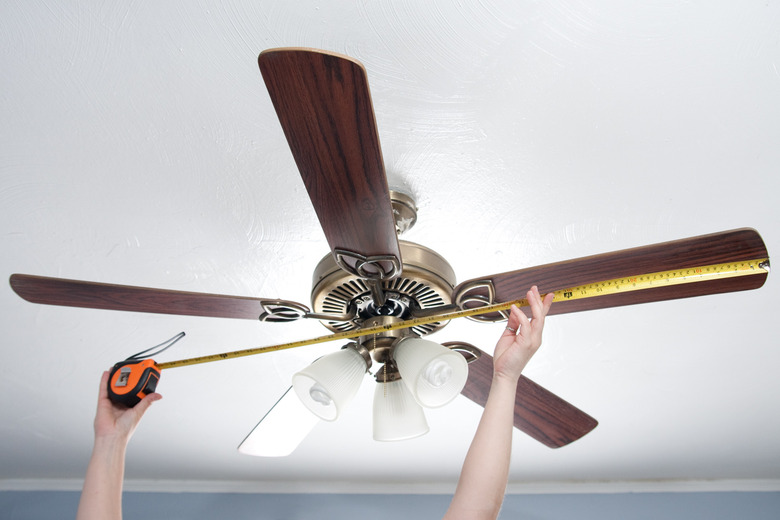
Find two fan blades that are directly opposite each other. You know, like they’re staring each other down across the motor housing.
Measure from the very tip of one blade to the very tip of the blade directly opposite it.
That’s it! That's your blade span. Easy-peasy, right? For example, if it measures 52 inches, then your fan is a 52-inch fan. Boom.
If Your Fan Has an Odd Number of Blades (The Trickier Ones)
Ah, the rebels of the fan world! This requires a tiny bit more brainpower, but it's still super straightforward.
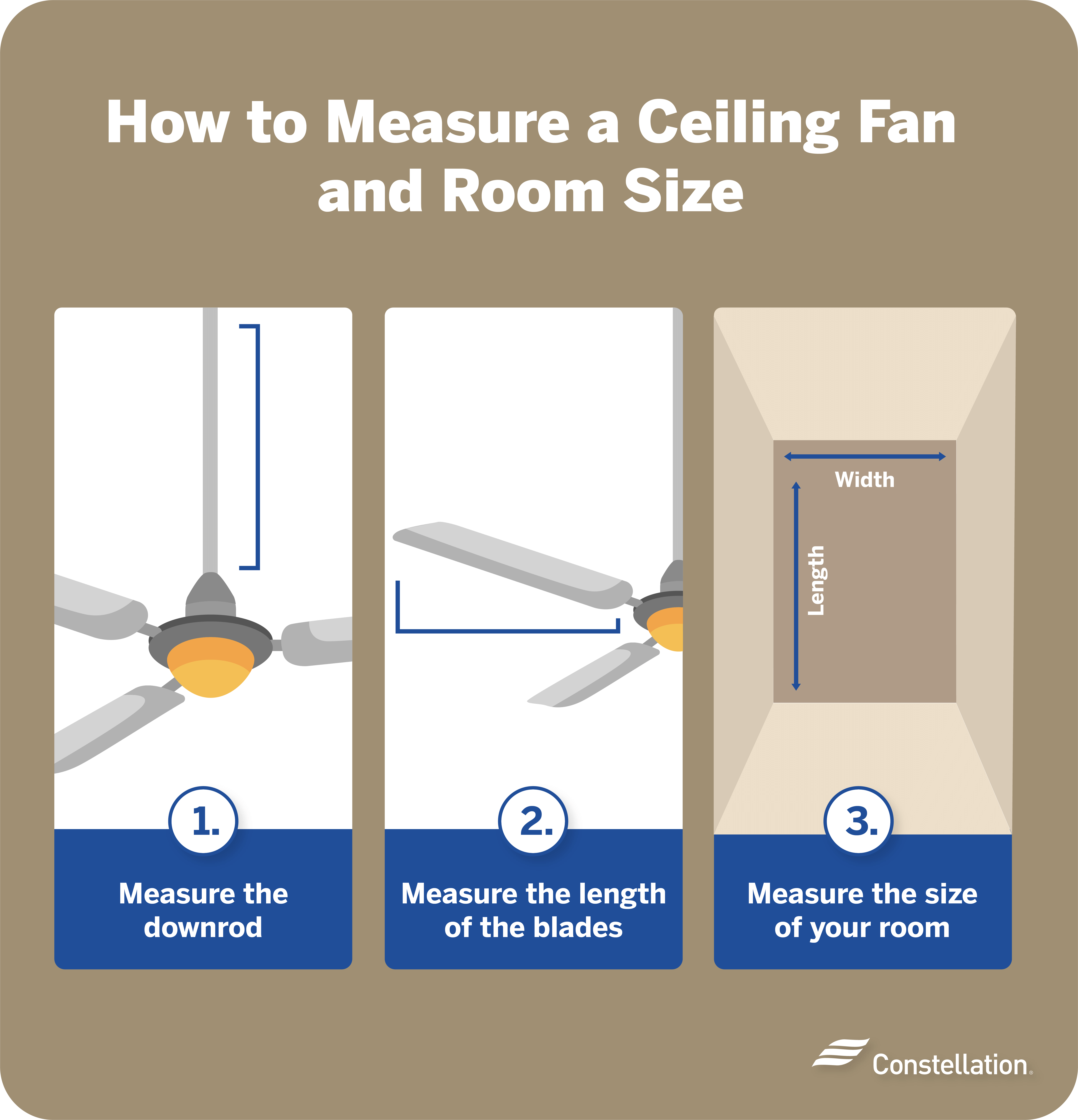
First, measure the length of just one blade. Measure from the very end of the blade (the tip) to the center of the fan’s motor housing where the blade attaches. Let’s call this "blade length."
Now, here’s the magic formula: Multiply that single blade length by two (2).
Why? Because the blade span is still the total diameter, and if you imagine one blade extending outwards, the span is essentially two of those blade lengths put together, even if there isn't a blade directly opposite it. So, if your single blade length is 20 inches, your fan's span is 40 inches (20 x 2). You're a math whiz now!

Other Measurements You Might Want to Jot Down
1. The Downrod Length
This is the metal pipe that connects the fan motor to the ceiling canopy.
Measure from where it exits the motor housing up to where it enters the ceiling canopy. Don’t include the decorative bits, just the actual pipe.
This is crucial for ensuring proper fan height and airflow, especially in rooms with high or low ceilings. You want at least 7 feet of clearance from the floor to the bottom of the fan blades. More if you're a really tall person, just sayin'.
2. Canopy Diameter
The canopy is that decorative cup-like piece that mounts flush against your ceiling, hiding all the wiring.
Simply measure the diameter across the widest part of the canopy. This is mostly for aesthetics and ensuring it covers the existing electrical box opening neatly.
3. Fan Height (or Drop from Ceiling)
This is the total distance from the ceiling to the absolute lowest point of the fan (usually the bottom of a light kit or the decorative pull chain).
Measure from the ceiling to the very bottommost part of the fan. This is super important for ensuring you meet those safety clearance recommendations (remember the 7 feet rule!).
Quick Recap & Pro-Tips
- Safety First: If you're using a ladder, make sure it's stable. Get a spotter if you can. We want measurements, not ER visits!
- Pen and Paper: Jot down your numbers immediately. Trust me, you think you'll remember, but you won't.
- Round Up or Down: Don't obsess over millimeters. A little rounding to the nearest inch is perfectly fine for fan measurements.
- Why You're Doing This: Whether replacing, repairing, or just being super informed, knowing these dimensions empowers you!
So there you have it! Measuring a ceiling fan isn't some arcane art reserved for seasoned electricians or DIY gurus. It's a simple, empowering task that will save you headaches (and potential returns!) down the road. Now go forth, measure your fans, and never again order an airport hangar-sized fan for your cozy reading nook. You've got this!