How Do I Make My House Warmer

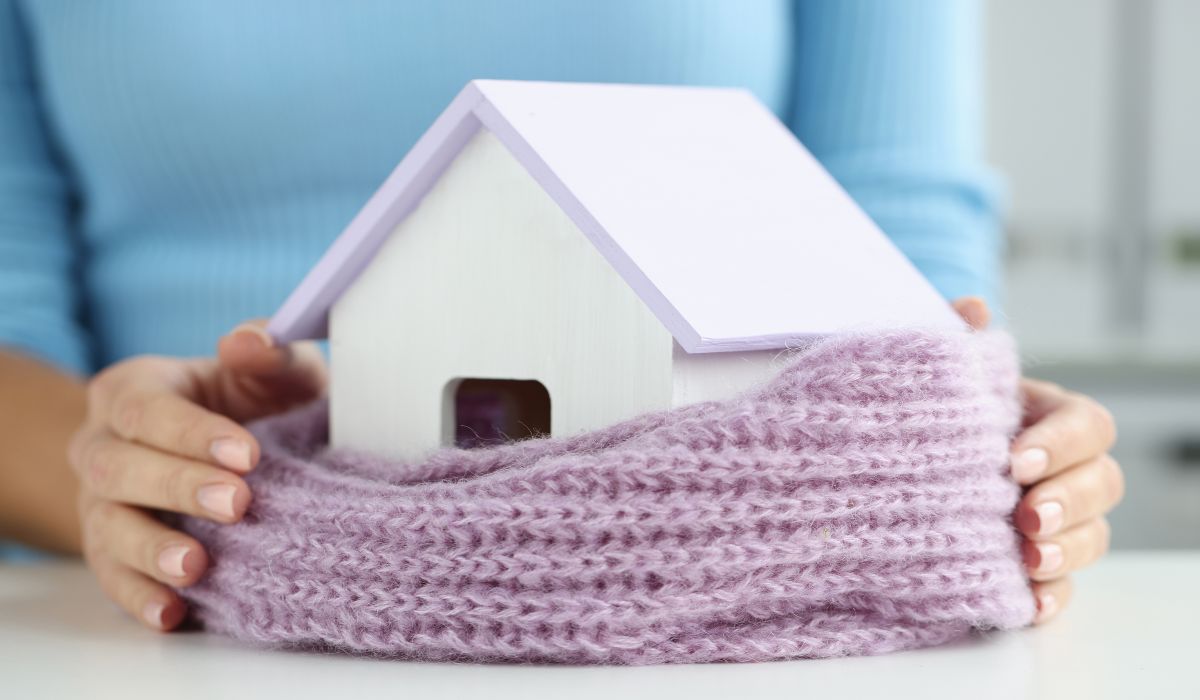
Ever walked into your house on a chilly day, shivered, and thought, "There must be a better way to make this place cozy?" You're not alone! Figuring out "How do I make my house warmer?" isn't just about cranking up the thermostat; it's a fascinating blend of physics, home maintenance, and even a bit of clever design. It’s a challenge that, once embraced, can transform your living space from merely functional to genuinely inviting, and even save you some pennies along the way. Think of it as embarking on a gentle quest to create your personal sanctuary, where every corner radiates comfort. It’s surprisingly fun to learn about the unseen forces at play in your home’s temperature regulation!
The purpose of understanding how to warm your home efficiently extends far beyond just feeling snug. Naturally, the immediate benefit is enhanced comfort – imagine sinking into your sofa without a goosebump in sight. But it also contributes significantly to your well-being, helping to prevent colds and making your environment healthier. Perhaps most compellingly, mastering the art of warmth can lead to substantial cost savings on your energy bills, freeing up funds for other delights. Environmentally, a well-insulated and efficiently heated home means a reduced carbon footprint, which is a big win for our planet. Plus, preventing extreme cold protects your home itself, safeguarding pipes from freezing and reducing the risk of damp and mold. It's truly a holistic approach to home care!
This isn't just theoretical; these principles are at play in our daily lives and can even spark some casual "education." For instance, think about how you instinctively pull your curtains closed as dusk falls – that's an everyday application of understanding heat retention. Or how your grandma always told you to put a rug on the floor in winter; she was subtly teaching you about insulation and preventing heat loss through cold surfaces. In a more formal sense, understanding how heat moves (conduction, convection, radiation) is fundamental physics, brought to life right in your living room. You can practically "experiment" by feeling for drafts or observing how sunlight affects different rooms. It's a hands-on lesson in energy efficiency that directly impacts your comfort and budget.
Must Read
Ready to explore some simple ways to make your home toastier? Start with the "candle test": gently move a lit candle around the edges of your windows and doors. If the flame flickers, you've found a draft! Simple weatherstripping or caulk can make a world of difference. Next, embrace your curtains; heavy, thermal curtains closed at night act as an extra layer of insulation, trapping warmth inside. On sunny days, open them wide to let nature’s warmth stream in. Consider reversing your ceiling fan's direction in winter; it will gently push warm air that rises back down into the room. Don't forget about rugs on hard floors and keeping doors closed to unused rooms. These small, practical steps aren't just fixes; they're invitations to become more attuned to your home's energy flow, making it a more delightful and sustainable place to live.