
How Do I Load Test A Battery

Imagine this: you're all set for an epic road trip, keys in hand, spirits high... only for your car to make a sad little click instead of a mighty vroom. Or perhaps you're mid-camping adventure, trying to light up your tent, and your trusty flashlight decides it's naptime. Frustrating, right?
We've all been there, staring at a device, wondering if the battery is the hero or the villain of our story. But what if I told you there's a simple, even fun, way to peek behind the curtain and know exactly what your battery is made of before it lets you down?
Why Bother?
"Fun?" you ask, probably picturing complicated wires and scary sparks. Nope! Think of it less like a dry science experiment and more like a little detective game. Learning to load test a battery is like gaining a superpower – the power of prevention.
Must Read
It means more reliable gadgets, less stress, and fewer moments spent yelling "Why, battery, why?!" at an unresponsive piece of tech. Isn't that a superpower worth having? It’s about being prepared, being proactive, and frankly, feeling a little bit like a tech guru yourself.
What is Load Testing (Simplified)?
So, what is this mysterious "load testing" anyway? In plain English, it's not just checking if a battery has voltage (that's like checking if a car has gas – it might, but can it move?). Load testing is about putting a battery under pressure, simulating its actual job, and seeing how it performs when it's working.

It’s like sending an athlete through a mini-obstacle course to see if they're truly ready for the marathon. A battery might show a good voltage reading when it's just sitting there, but under a load – when it's actually powering something – its true character emerges. Does it hold up, or does it dramatically slump? That’s what we want to find out!
How to Do It (General Steps/Concepts):
"Okay, I'm intrigued," you might be thinking. "But how do I do this?" The beauty is, it doesn't have to be rocket science!
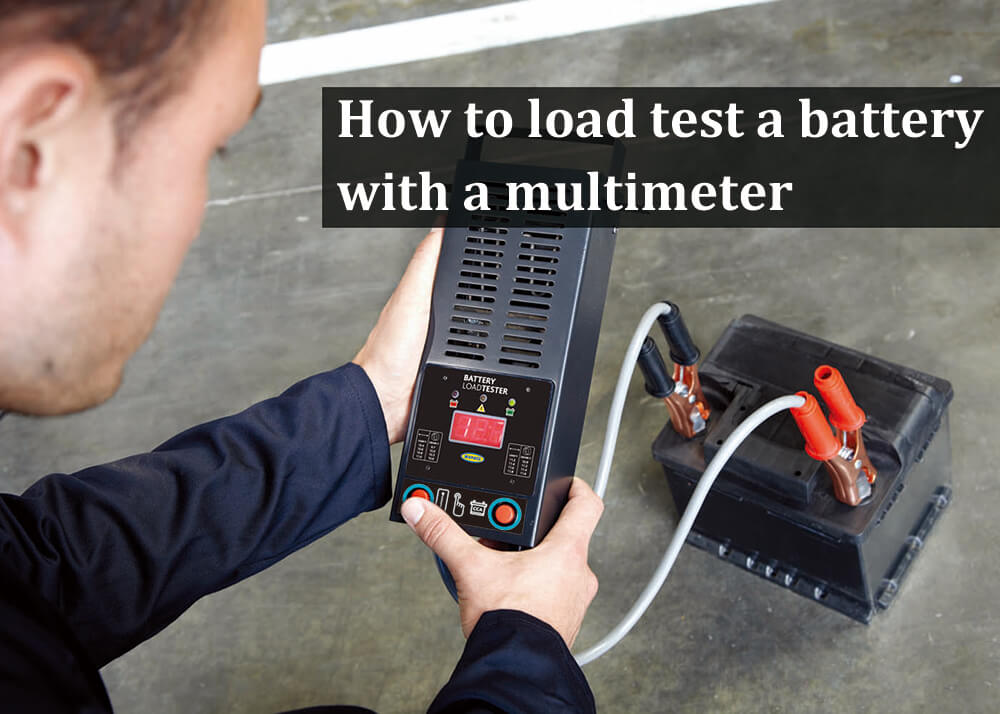
First, you'll want some basic tools. For smaller batteries (think AA, AAA, 9V, D-cells), a simple multimeter is your friend. This nifty device can measure voltage. While a multimeter alone won't truly load test a battery in the strictest sense, you can get a good idea by connecting a small load – like a tiny flashlight bulb or a resistor – and then watching the voltage drop. If it drops significantly, that battery might be giving up the ghost.
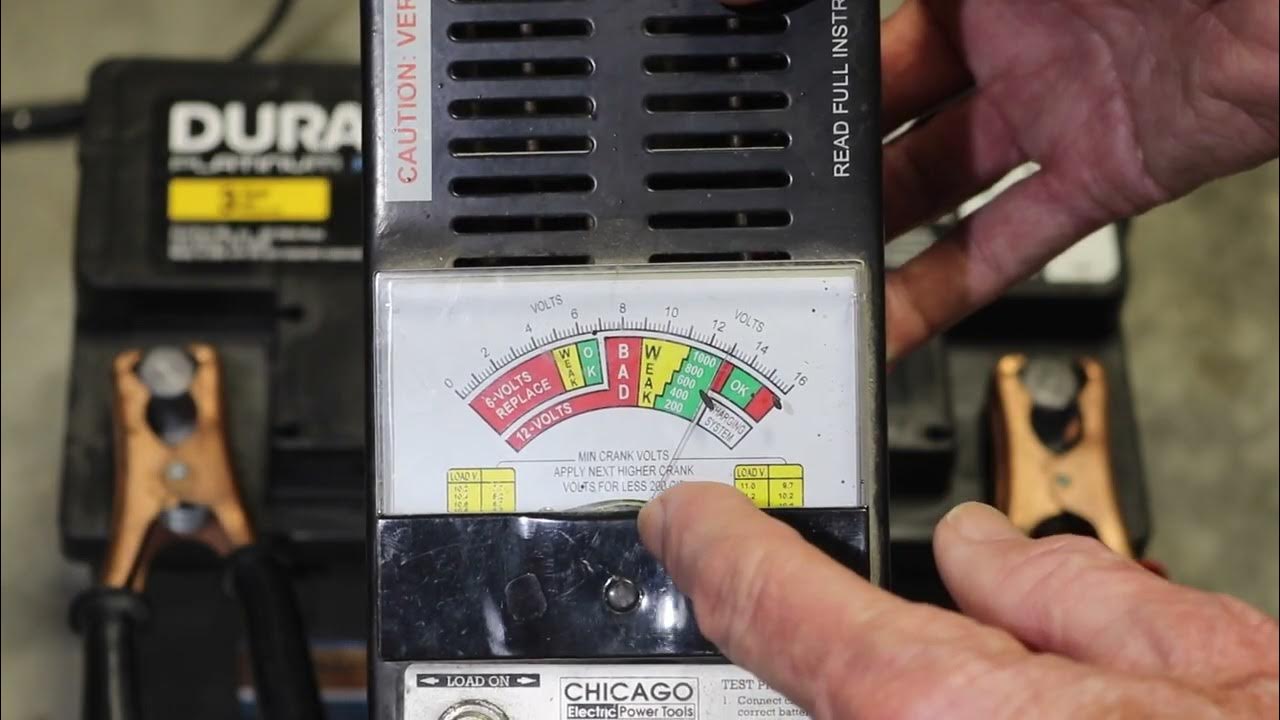
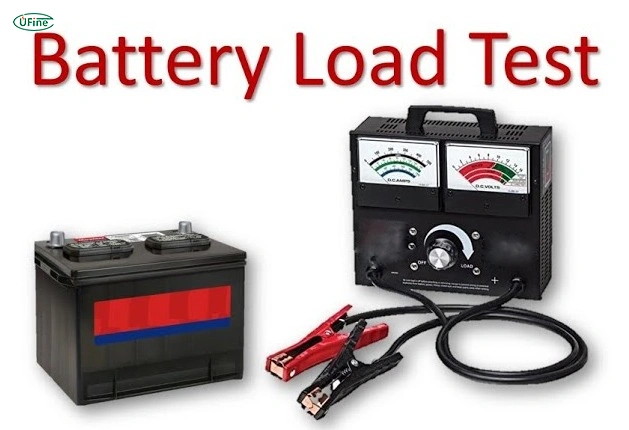
For larger batteries, like those in your car or motorcycle, dedicated battery load testers are available. These aren't as intimidating as they sound! Many consumer-grade testers are designed for easy use. You connect them up, press a button, and they put a temporary, controlled "load" on the battery, mimicking the strain of starting an engine. The tester then gives you a readout – often a simple "Good," "Weak," or "Replace." How empowering is that?
Now, a quick but important note: safety first! Always follow the instructions for your specific tester. Wear eye protection, especially when working with car batteries, and make sure you're in a well-ventilated area. Batteries, particularly car batteries, can produce flammable gases. So, no open flames or sparks nearby, okay? A little common sense goes a long way here.
The "Aha!" Moment:
Once you've run your test, you'll get your answer. If your battery holds its voltage under load, congratulations! You’ve got a healthy, reliable power source. If the voltage drops dramatically, or your dedicated load tester screams "REPLACE!" then you've just saved yourself a future headache. Imagine avoiding that dead car battery on a chilly morning!
That's the "aha!" moment – the moment you realize you've proactively taken control. You've uncovered the truth, and now you can act. This isn't just about avoiding problems; it's about optimizing your life. Think about your power tools – want them to perform at their peak? Test their batteries! Your emergency radio? Test it! Knowing your batteries are ready means you can tackle projects and adventures with confidence.
Beyond the Basics – Becoming a Battery Wizard:
Once you dip your toes into load testing, you might find yourself surprisingly hooked. It’s a tangible skill that gives you a deeper understanding of the world around you. You start seeing batteries not just as black boxes, but as little powerhouses with their own stories to tell. You become the go-to person in your family or friend group for "battery advice." Suddenly, that clicking car isn't a mystery; it's an opportunity to confidently diagnose and fix a problem.
You'll learn about different battery types, their lifespans, and best practices for charging. You might even start extending the life of your batteries by understanding their limits and proper care. Who knew a simple test could open up a whole new world of practical knowledge?
Conclusion:
So, are you ready to stop guessing and start knowing? Ready to transform battery anxiety into battery confidence? Learning to load test a battery isn't about becoming an electrical engineer; it's about empowering yourself with practical knowledge that enhances your everyday life. It's about preparedness, efficiency, and the sheer satisfaction of understanding how things work.
It's a small step, really, but one that leads to a cascade of positive outcomes – fewer frustrations, more reliability, and the quiet pride of being someone who's ready for anything. Go on, grab a multimeter, watch a quick tutorial, and start your journey to becoming a battery whisperer. Your future self, free from battery woes, will thank you!