
How Do I Know What Size Air Conditioner To Buy

Okay, so you're thinking about a new air conditioner. Maybe your old one sounds like a grumpy dragon, or maybe it’s just… gone to that big appliance graveyard in the sky. Whatever the reason, figuring out the right size AC unit can feel like learning a whole new language. But don't sweat it! (Unless your current AC really isn't working, then you have my permission to sweat a little.) We're going to break it down, easy peasy.
Why should you even care about the size? Imagine wearing shoes that are two sizes too big. You’d be tripping all over the place! Or squeezing into shoes two sizes too small? Ouch! Same deal with ACs. Too big, and it's like blasting an industrial freezer in your living room. Too small, and it'll run constantly, struggling to keep up and costing you a fortune in energy bills. Nobody wants that!
What's a BTU Anyway? And Why Should I Care?
The magic word is BTU, or British Thermal Unit. It's basically a measurement of how much heat an air conditioner can remove from a room per hour. Think of it like the AC’s cooling power. A higher BTU number means more cooling power.
Must Read
Now, you're probably thinking, "Okay, great. But how do I translate that into something I understand?" Well, generally, the bigger the room, the more BTUs you’ll need. It's like baking a cake: a bigger cake needs more ingredients. Simple, right?
The Super Simple Size Guide (A Starting Point)
Here’s a super general guideline, just to get you started. Keep in mind, this is just a rough estimate. Think of it as a friendly suggestion, not the Ten Commandments of Air Conditioning.
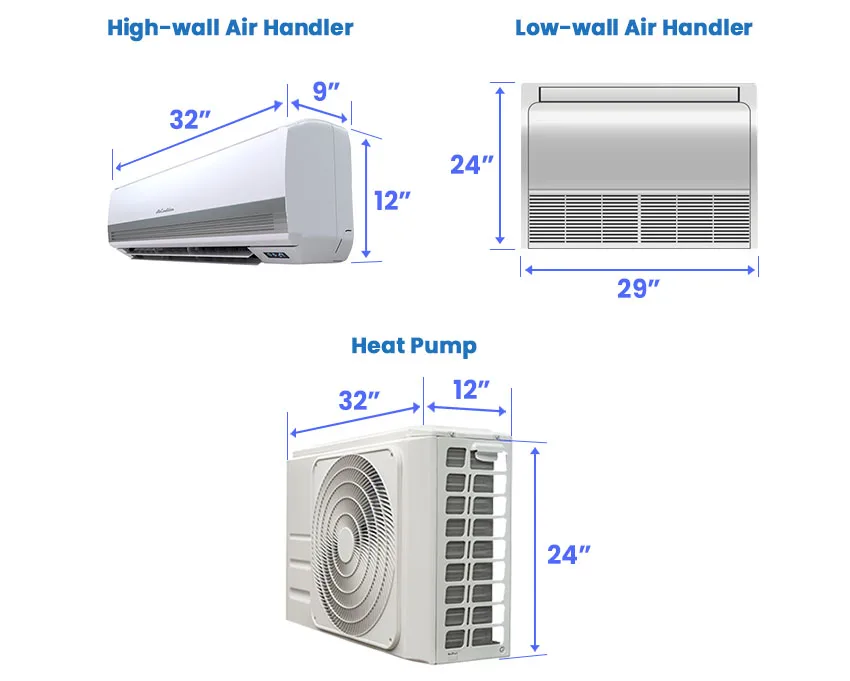
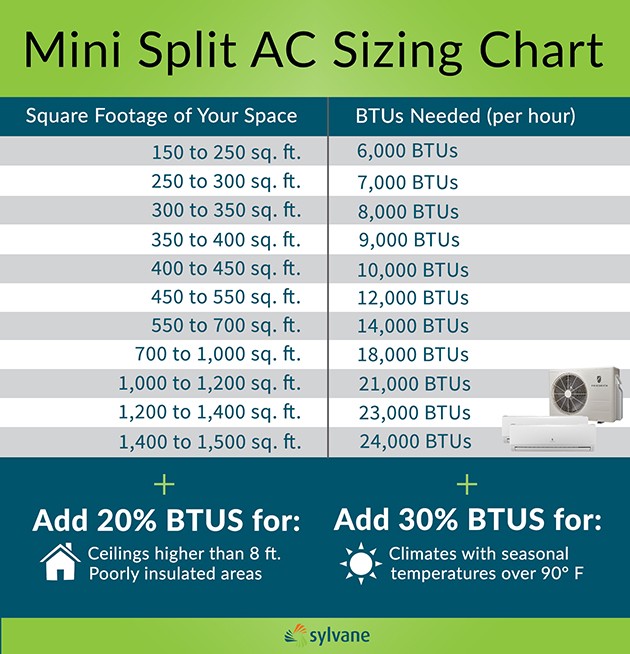
- 100-300 square feet: 5,000-6,000 BTU
- 300-500 square feet: 7,000-10,000 BTU
- 500-700 square feet: 10,000-14,000 BTU
- 700-1,000 square feet: 14,000-18,000 BTU
So, if you have a bedroom that's about 400 square feet, you're probably looking at something in the 7,000-10,000 BTU range. See? Not so scary.
But Wait! There's More to the Story!
Square footage is a good start, but it's not the whole story. Imagine two identical apartments. One is on the top floor with direct sunlight baking the roof all day. The other is tucked away on the shady ground floor. The sunny apartment is going to need a bit more oomph from its AC.
Here are a few other things to consider:
- Sunlight: Does your room get a lot of direct sunlight? Add about 10% to the BTU recommendation.
- Shade: Is your room mostly shaded? You can probably subtract about 10%.
- Insulation: How good is your insulation? If your house is drafty, you'll need more BTUs. It's like trying to fill a leaky bucket.
- Number of People: If you regularly have a lot of people in the room, add about 600 BTUs per person. All those bodies generate heat!
- Kitchen: If you're cooling a kitchen, you’ll definitely need more BTUs. Cooking generates heat, duh!
Example Time! Let’s say you’re cooling a living room that’s 600 square feet. According to our super simple guide, you’d need around 10,000-14,000 BTU. But… the room gets a ton of afternoon sun, and you often have 4 people hanging out in there. Let's add 10% for the sun, and 2400 BTU (600 x 4) for the people. That bumps you up to the higher end of that range, or even slightly above.
Don't Be Afraid to Get a Little Help
If all of this sounds a bit overwhelming, don't hesitate to ask for help! Most HVAC (Heating, Ventilation, and Air Conditioning) professionals will be happy to assess your needs and recommend the right size AC unit for your space. Think of them as air conditioning whisperers.
/air-conditioning-chart-1152654_final-01-5c522db7c9e77c0001d7671e.jpg)
Many online retailers also have BTU calculators that take these factors into account. Just plug in the numbers and let the computer do the math!
The Takeaway: Size Matters (But It's Not Everything)
Choosing the right size air conditioner is crucial for comfort, energy efficiency, and your wallet. A little bit of research and planning can save you a lot of headaches (and money) down the road. So, take your measurements, consider the factors we’ve discussed, and don't be afraid to ask for help. You'll be chilling in no time!
And remember, stay cool!
:max_bytes(150000):strip_icc()/air-conditioning-chart-1152654_final-02-c37c8b4fdf08432baf378e8f0cb9d8e0.jpg)