How Do I Know My Carbon Monoxide Detector Is Working

Every home is a sanctuary, a canvas where we paint our lives with comfort, laughter, and cherished memories. And just as an artist protects their prized work, or a builder ensures a strong foundation, we too have the power to safeguard our living spaces. One of the unsung heroes in this mission is the carbon monoxide detector – a vital guardian that quietly stands watch against an invisible, odorless threat. Think of knowing your detector is working not as a chore, but as an act of proactive care, a tiny but profound gesture of self-preservation and love for your household.
For every homeowner, renter, or anyone simply building a comfortable nest, understanding how to ensure your CO detector is functional is an incredibly empowering "skill." It’s not about becoming an expert, but about embracing a little piece of knowledge that offers immense peace of mind. The benefits are clear: it protects against the silent killer, allowing you to breathe easy, knowing your loved ones and pets are safe. This proactive approach cultivates a sense of security, transforming potential worry into confident reassurance. It's a small investment of time for a monumental return in safety and serenity.
Just like there are different strokes for different folks in art, there are variations in CO detectors. You might have a standalone battery-powered unit that can be moved as needed, or a plug-in model often with a battery backup for power outages. Some modern homes boast hardwired detectors integrated into the electrical system, often with smart home capabilities, or even combination smoke and CO alarms. Each style serves the same critical purpose, and knowing which type you have is the first step in understanding its care. The key is that no matter the "model," the principle of testing remains universal: ensuring its internal sensors are ready to respond.
Must Read
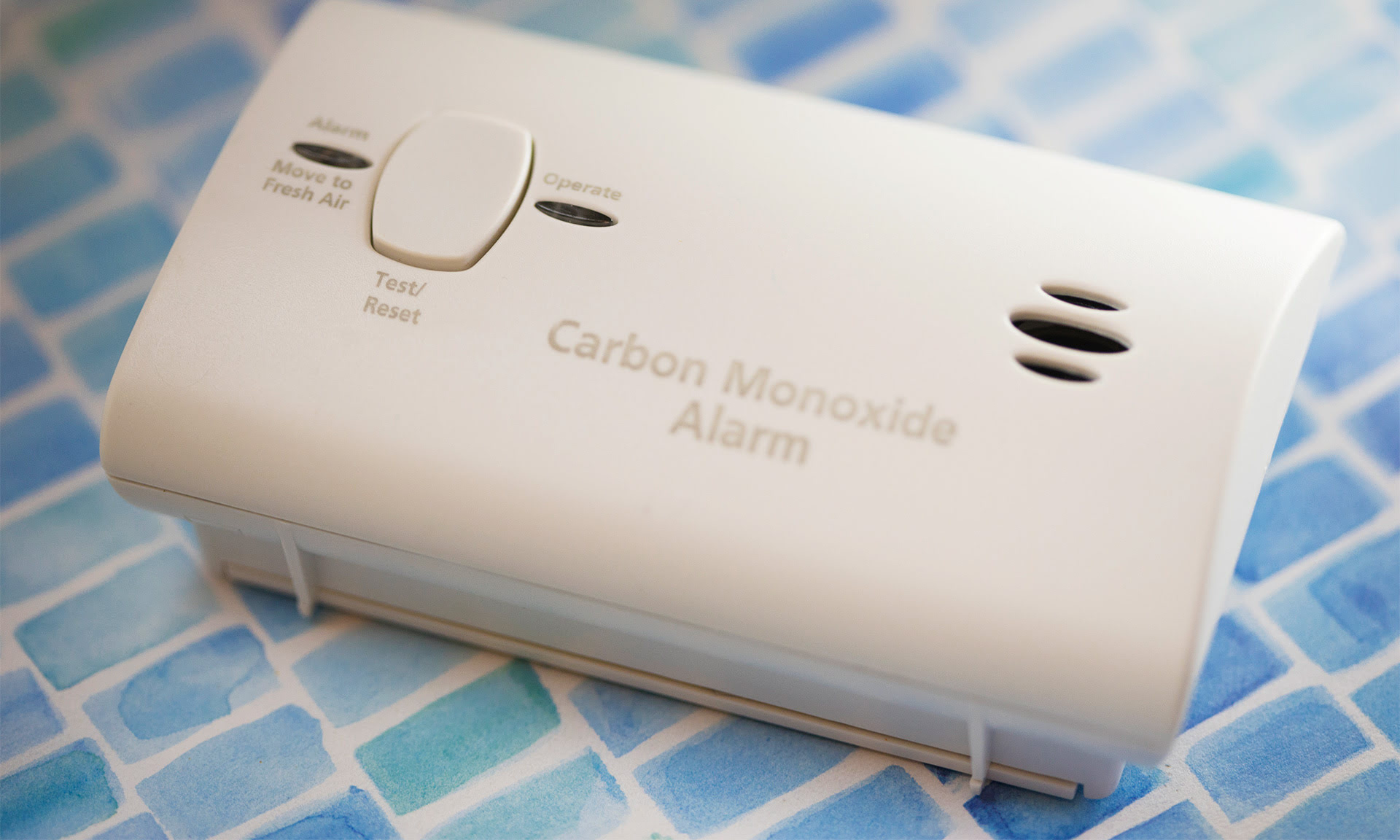
So, how do you "try this at home" and ensure your silent guardian is on duty? It’s wonderfully simple! Every carbon monoxide detector comes equipped with a test button. This isn't just for show; it's your direct line to its operational status. Most manufacturers recommend pressing and holding this button once a month. When you do, you should hear a loud, distinct alarm – often a series of beeps, different from a smoke alarm. This sound confirms the electronics are working and the alarm mechanism is functional. If it beeps weakly, or not at all, it's a clear signal to replace the batteries immediately (if applicable) or the entire unit if it's past its lifespan or still fails to alarm. Remember to check the manufacturing date on the back of your unit; most CO detectors have a lifespan of 5-7 years and need replacing regardless of battery status.
Ultimately, making sure your carbon monoxide detector is in top shape is more than just a safety check; it’s an active participation in the well-being of your home. It’s enjoyable because it brings a profound sense of closure and confidence. It’s about taking control, feeling empowered, and enjoying the quiet hum of a safe home, knowing that a vigilant protector is always standing by. This simple act is a quiet celebration of life itself.

.jpg?itok=zwEl3CfV)