
How Do I Keep My Lithium Ion Battery Healthy

Alright, gather 'round, folks! Let's talk lithium-ion batteries. We're practically surgically attached to these things these days. Phones, laptops, electric toothbrushes that judge our brushing habits – they're all powered by these little energy rectangles. But how many of us actually treat them right? Probably about as many as confess to regularly flossing. (Be honest!)
Think of your lithium-ion battery like a high-maintenance celebrity. It needs pampering, a little bit of understanding, and definitely doesn’t like being pushed too hard. So, how do you keep your battery from staging a dramatic meltdown worthy of a reality TV show?
The Charging Chicanery
First up: charging. This is where most of us go wrong. We treat our batteries like gas tanks – gotta fill ‘em up all the way, every time! Nope. That's battery abuse! Imagine forcing yourself to eat a Thanksgiving dinner every single day. You'd be miserable, right? Your battery feels the same way!
Must Read
The sweet spot? Aim for the 20-80% range. Think of it as a healthy lifestyle choice for your battery. Keep it topped up regularly, but don't stress about hitting 100% every time. It's like going to the gym – a little often is better than a lot rarely. Plus, constantly keeping it at 100% puts it under unnecessary stress.
And speaking of stress, avoid leaving your device plugged in overnight. I know, I know, it’s convenient. But picture this: your battery is at 100%, just chilling, and your charger is still pumping in electricity, basically force-feeding it. It’s the battery equivalent of being waterboarded with electrons! Not cool, man.
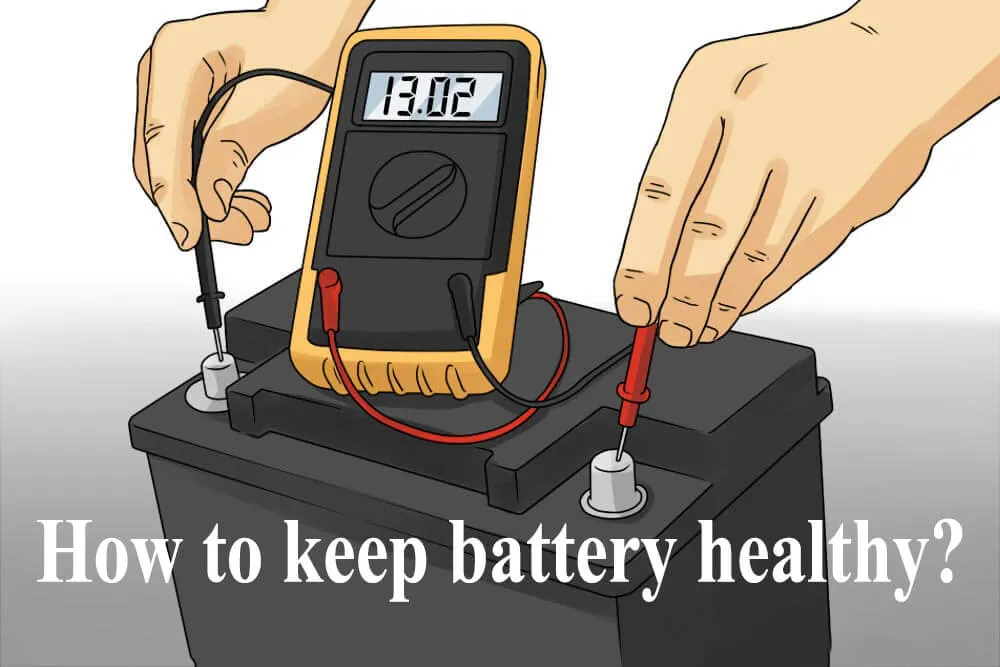
Temperature Tantrums
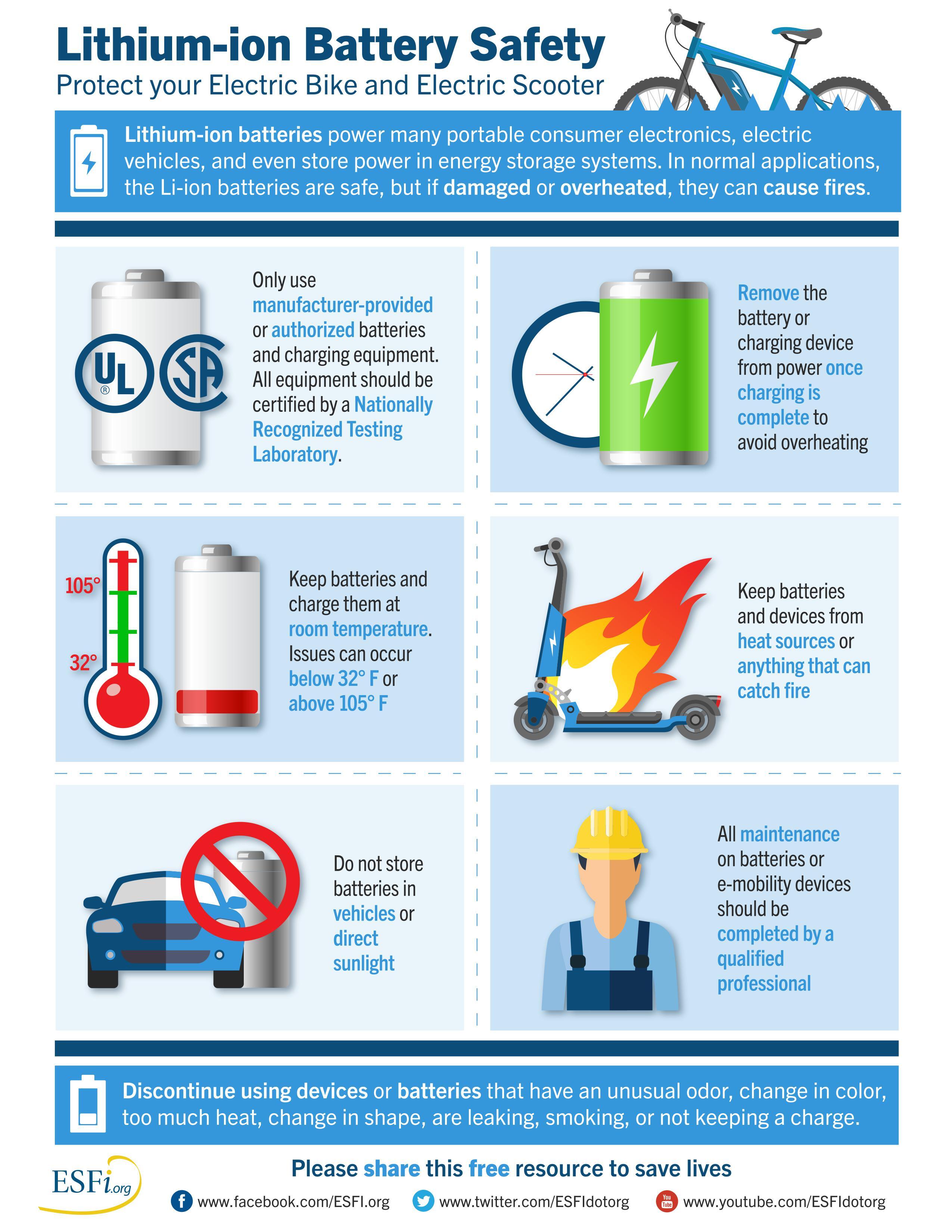
Next, let's talk about temperature. Lithium-ion batteries are notoriously dramatic about this. They're like those houseplants that need exactly the right amount of sunlight and humidity, or they just keel over and die. Except instead of dying, your battery might just…degrade faster. Fun!
Extreme heat is the enemy. Leaving your phone on the dashboard of your car on a sunny day? That's battery murder right there. Think of it as putting your battery in a microwave…a slow, agonizing microwave. Conversely, extreme cold isn't great either, though it's generally less damaging. Just try not to store your phone in the freezer unless you’re doing some weird science experiment.
The ideal temperature range? Something like room temperature – comfortable for you, comfortable for your battery. If you feel hot, your battery probably does too. So, keep it cool, cat. Seriously.
Storage Secrets
Storing a device for a long period? This is a tricky one. Leaving a battery completely empty for months is bad. Why? Because it can fall into a "deep discharge" state, which can make it difficult (or impossible) to revive. It's like the battery went into a coma. Sad!
But leaving it at 100%? Also not ideal! As mentioned earlier, that’s constant stress. So, what's the solution? Aim for around 50% charge before storing your device. This is the sweet spot for long-term battery hibernation. Think of it as putting your battery into a state of suspended animation, like they do in sci-fi movies. Except without the cryogenic freezing.
Myths and Misconceptions
Let’s debunk a few common battery myths, shall we? First, the idea that you need to completely drain a battery before charging it for the first few times. That was true for older battery technologies, like nickel-cadmium, but lithium-ion batteries are different creatures. They actually prefer frequent, partial charges.
Another myth: using a “fast charger” will ruin your battery. While it’s true that fast charging can generate more heat, most modern devices have built-in safeguards to prevent overheating and overcharging. That said, if you're constantly using a super-duper-ultra-mega fast charger when you don't need to, it could contribute to faster degradation over the long term. Think of it like always sprinting instead of jogging – eventually, you'll wear yourself out.
Finally, the myth that aftermarket chargers are all evil battery-killing devices. While it's true that some cheap, unregulated chargers can be dangerous (think potential fire hazard), reputable third-party chargers are generally fine to use. Just make sure they're from a trusted brand and have the necessary safety certifications.
In Conclusion (and a terrible pun)
So, there you have it! Keeping your lithium-ion battery healthy isn't rocket science, but it does require a little bit of awareness and effort. Treat your battery right, and it will reward you with longer life and better performance. Ignore it, and it might just stage a dramatic revolt and leave you stranded with a dead phone at the most inconvenient time. Don't let your battery leave you feeling…discharged! (I’ll see myself out.)