
How Do I Get 3 Phase Electricity

Alright, settle in, grab your imaginary latte, because today we're talking about something truly electrifying: 3-phase power. If you're here, you've probably heard whispers of its mythical might, seen glorious industrial machines purring with unnatural efficiency, and thought, "Hold on a minute, my toaster just trips the breaker when I look at it funny. How do I get some of that?"
You, my friend, are contemplating a journey into the big leagues of electricity. Single-phase is like a solo amateur boxer; 3-phase is a synchronized kickboxing team from a superhero movie. It's the difference between a garden hose and a fire hydrant. And you want to know how to plumb that fire hydrant into your humble abode, don't you?
Why the Heck Do I Even Want This Powerhouse?
Before we dive into the nitty-gritty, let's just quickly bask in the glow of 3-phase glory. Why do businesses, factories, and the occasional super-ambitious home workshop owner crave this beast? Simple:
Must Read
- More Power, Smoother Delivery: Instead of one alternating current doing all the heavy lifting, you get three, staggered perfectly. This means constant, unwavering power delivery. Your machinery runs cooler, smoother, and happier.
- Efficiency Superstar: Those big motors (think lathes, mills, massive HVAC systems) absolutely adore 3-phase. They start easier, draw less current for the same power, and are generally more efficient.
- Less Flickering, More Winning: With three phases, voltage dips are minimized. So, your lights won't dim every time your arc welder kicks on, making your neighbors think you're having an illicit rave.
Basically, if you're running anything serious – a workshop, a small manufacturing gig, or maybe a secret lair for your robot army – 3-phase is your golden ticket to smooth operation. It's the difference between pushing a boulder uphill and giving it a jetpack.
The Grand Quest: Is It Even Possible?
So, how do you invite this electrical superhero into your life? Well, it's not quite like ordering pizza. You can't just plug a different cord into the wall. The first, and often most critical, question is: is 3-phase even available near you?

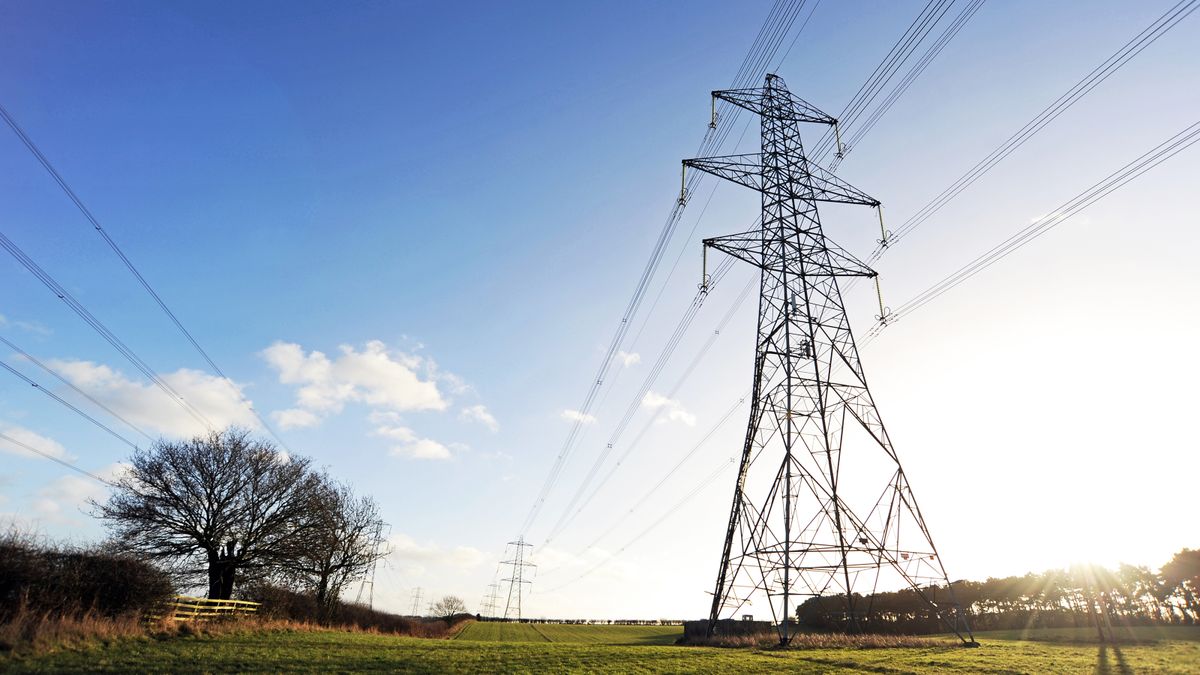
This is where the dream meets reality. Look up. See those utility poles? The ones with a bunch of wires? If you're lucky, you might spot three primary lines (plus a neutral and ground). That's your first clue. If you only see one or two, you might be out of luck, or at least facing a truly monumental undertaking.
Step 1: Consult the Oracle (Your Utility Company)
Your first move is to call your local power company. They are the gatekeepers of the electrical grid. Explain your needs. Be polite, but firm. You're not asking for a favor; you're asking for a service. They'll tell you if 3-phase lines run past your property, and if so, what the initial connection cost might be. Prepare yourself, because this is where sticker shock often makes its grand entrance. We're talking anything from a few thousand dollars to "buy a new car" money, depending on how far they have to run those extra wires.
They might need to run new poles, transformers, and a whole lot of heavy-duty cable. Think of it as inviting a rock band to play in your living room – there's a lot of equipment to set up.
Step 2: Befriend a Wizard (A Qualified Electrician)
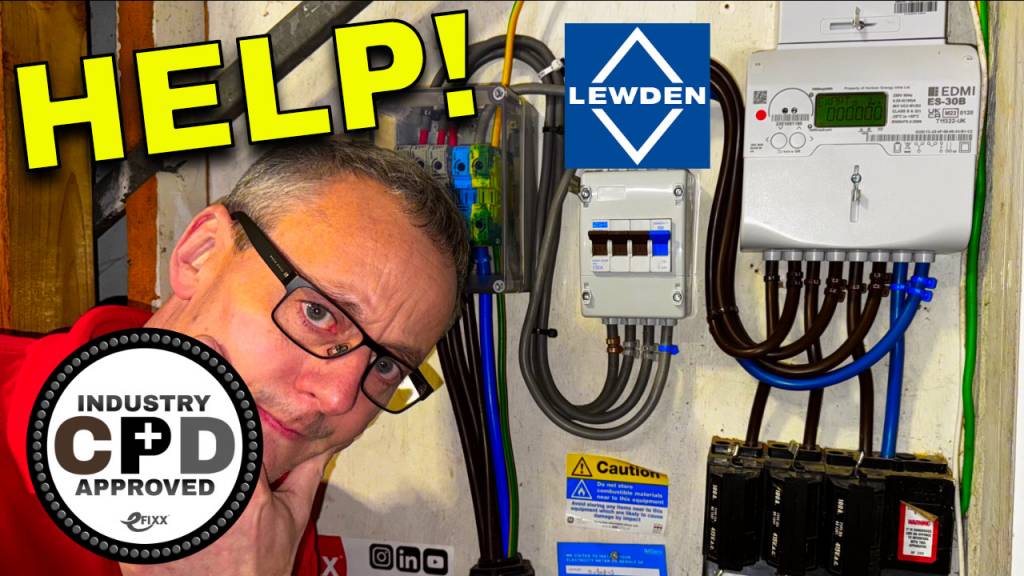
Assuming the utility company gives you a tentative thumbs-up, your next call is to a commercial or industrial electrician. Don't call your buddy who fixes ceiling fans; this is serious business. They'll need to assess your internal wiring, design a new electrical panel (because your current one is probably terrified of 3-phase), and plan the entire installation from the utility connection point right into your machines.
This isn't just about plugging things in; it's about making sure your property can safely handle the new load, that the circuits are balanced, and that everything complies with local codes. Your electrician is your guide through the labyrinth of permits and inspections.
Step 3: The Bureaucratic Gauntlet (Permits and Inspections)
Oh yes, the paperwork. Installing 3-phase power is a significant alteration, so expect to deal with local building departments, permits, and multiple inspections. It's not glamorous, but it's crucial for safety and legality. Think of it as getting your electrical superhero's license and registration.
What If It's a No-Go (or a "Heck No, That's Too Expensive")?
Sometimes, the utility company quote will be so astronomical it makes your eyes water. Or perhaps 3-phase simply isn't available within a reasonable distance. Don't despair, my friend! You still have options, albeit ones that involve a bit of clever trickery:
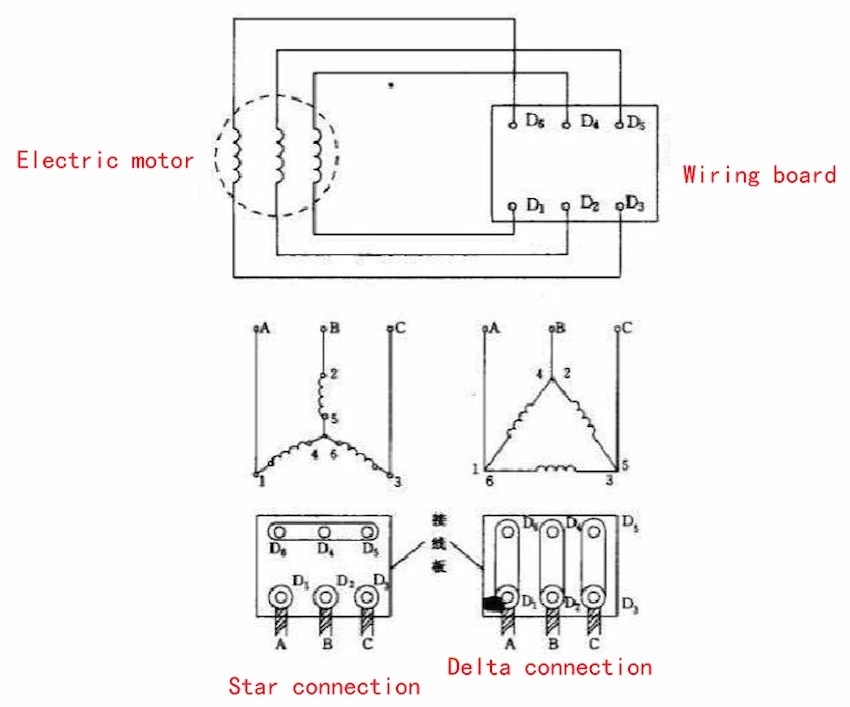
1. Phase Converters: These magical boxes take your single-phase input and transform it into 3-phase output.
- Rotary Converters: These are essentially a 3-phase motor acting as a generator. They're robust and can handle varying loads. It's like having a dedicated little power station in your workshop.
- Static Converters: Simpler and cheaper, but generally only suitable for motors that run at a constant speed. Not ideal for delicate machinery.
2. Variable Frequency Drives (VFDs): A VFD is a sophisticated electronic device that can take single-phase power and output 3-phase, while also allowing you to control the motor's speed. These are fantastic for specific machines and offer a lot of control, but they're typically machine-specific rather than for an entire shop.
These alternatives are often more cost-effective if true utility 3-phase is out of reach, but they come with their own considerations regarding efficiency and specific application. Always consult your electrician and machinery manufacturers.
The Bottom Line: Expect a Journey
Getting 3-phase electricity isn't a weekend DIY project, unless your weekend involves heavy machinery, a team of engineers, and a very understanding spouse. It's a significant investment in time and money, but for those who truly need it, the benefits are immense.
You're not just getting more wires; you're upgrading your entire electrical infrastructure. It's like moving from dial-up internet to fiber optic. So, start with that phone call to your utility, find yourself a top-notch electrician, and prepare for an exciting (and possibly expensive) adventure into the world of industrial-strength power!