
How Do I Buy Natural Gas Futures
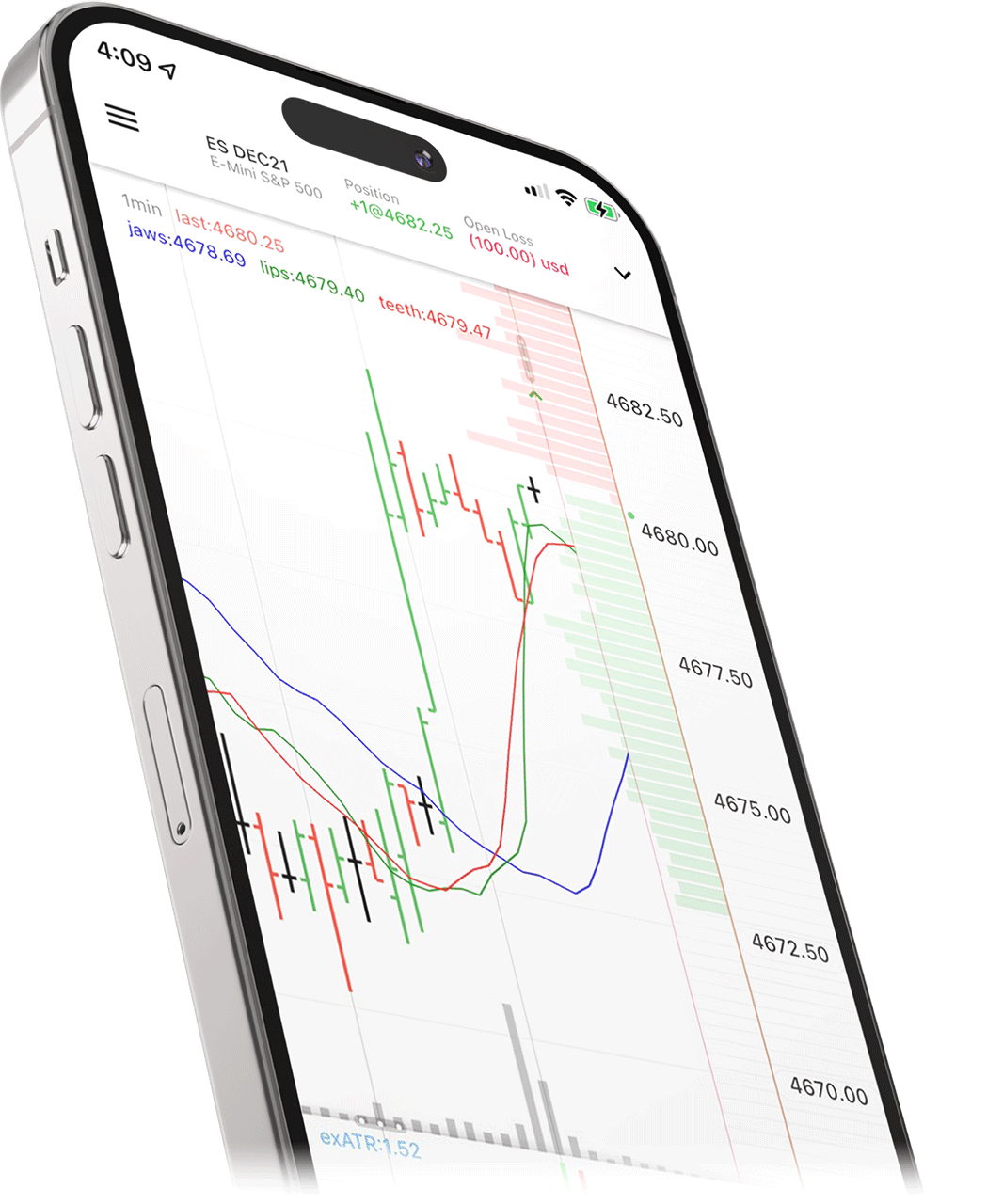
So, you’re curious about buying natural gas futures, huh? Like, you’re sitting there, sipping your latte, and suddenly a little thought bubble pops up: “Hmm, what if I could… buy some gas… before it even exists… for later?” I get it. It sounds wild, a little bit like something out of a quirky finance movie, right?
First off, let’s clear the air: you’re not actually buying a truckload of natural gas to store in your backyard. Phew! Imagine the HOA meeting for that one. “But it’s an investment, Carol!” Nope, not quite.
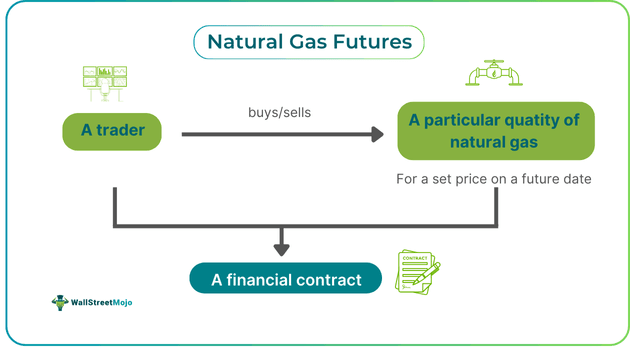
What we’re talking about here is a financial contract. Think of it like a fancy IOU. You’re agreeing to buy (or sell, but let’s stick to buying for now) a specific amount of natural gas at a specific price, on a specific future date. It’s all very official, very grown-up, and honestly, a little bit thrilling.
Must Read
Why on earth would you even consider this?
Well, mostly, people do it for speculation. You’re betting. You think natural gas prices are going to skyrocket because, I don’t know, it’s going to be the coldest winter in a hundred years, or maybe a massive new industry just popped up that needs tons of it. Or maybe you just have a really good gut feeling. (Spoiler alert: gut feelings in futures markets are often expensive.)
Or, less common for the casual investor, it’s about hedging. If you were a giant utility company, you might buy futures to lock in prices and protect yourself from sudden spikes. But let’s be real, you’re probably not running a giant utility company from your living room. So, for us, it’s mostly about the thrill of the bet.
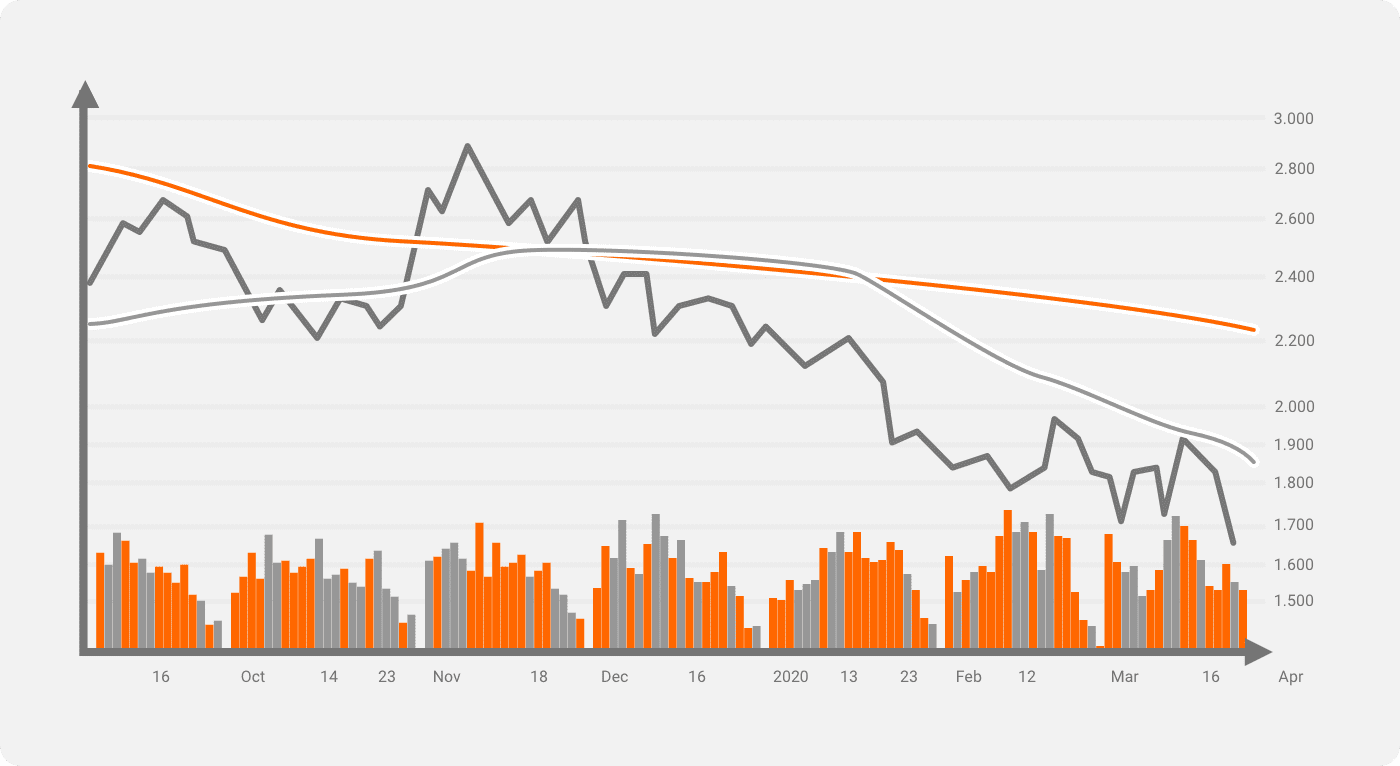
Okay, so how do you actually do this?
It’s not quite as simple as clicking "Add to Cart" on Amazon, sadly. No Prime shipping for natural gas futures.
Step 1: Get yourself a proper brokerage account. And I mean a proper one. Not just your run-of-the-mill stock-trading app. You’ll need a brokerage that specifically offers futures trading. These are a different beast, often requiring more extensive applications and higher account minimums. They want to make sure you know what you’re doing (or at least that you have enough money to lose).
Step 2: Understand the magic (and danger) of margin. This is where it gets spicy. When you buy futures, you’re not paying the full value of the contract upfront. Oh no. You’re putting down a small percentage as a deposit, called margin. It’s like putting a down payment on a house, but for gas you’ll never see. This means you can control a really large amount of natural gas with relatively little capital. Sounds great, right?
Here’s the catch: that leverage works both ways. If the price goes up, you make a killing! If it goes down, even a little bit, you can lose a lot more than your initial margin. Brokers will call it a “margin call,” which sounds polite, but it basically means, “Hey, buddy, put more money in, or we’re selling your position and you’re gonna be sad.” It’s not for the faint of heart, truly.
Step 3: Do your homework (like, serious homework). You can’t just blindly buy natural gas futures. The price is affected by so many things! We’re talking weather forecasts (cold snaps mean higher demand, obviously), inventory reports (how much gas is currently stored? If it’s low, prices might go up), geopolitical events, and even shifts in renewable energy adoption. It’s a lot to keep track of, more than just checking your horoscope for market tips.
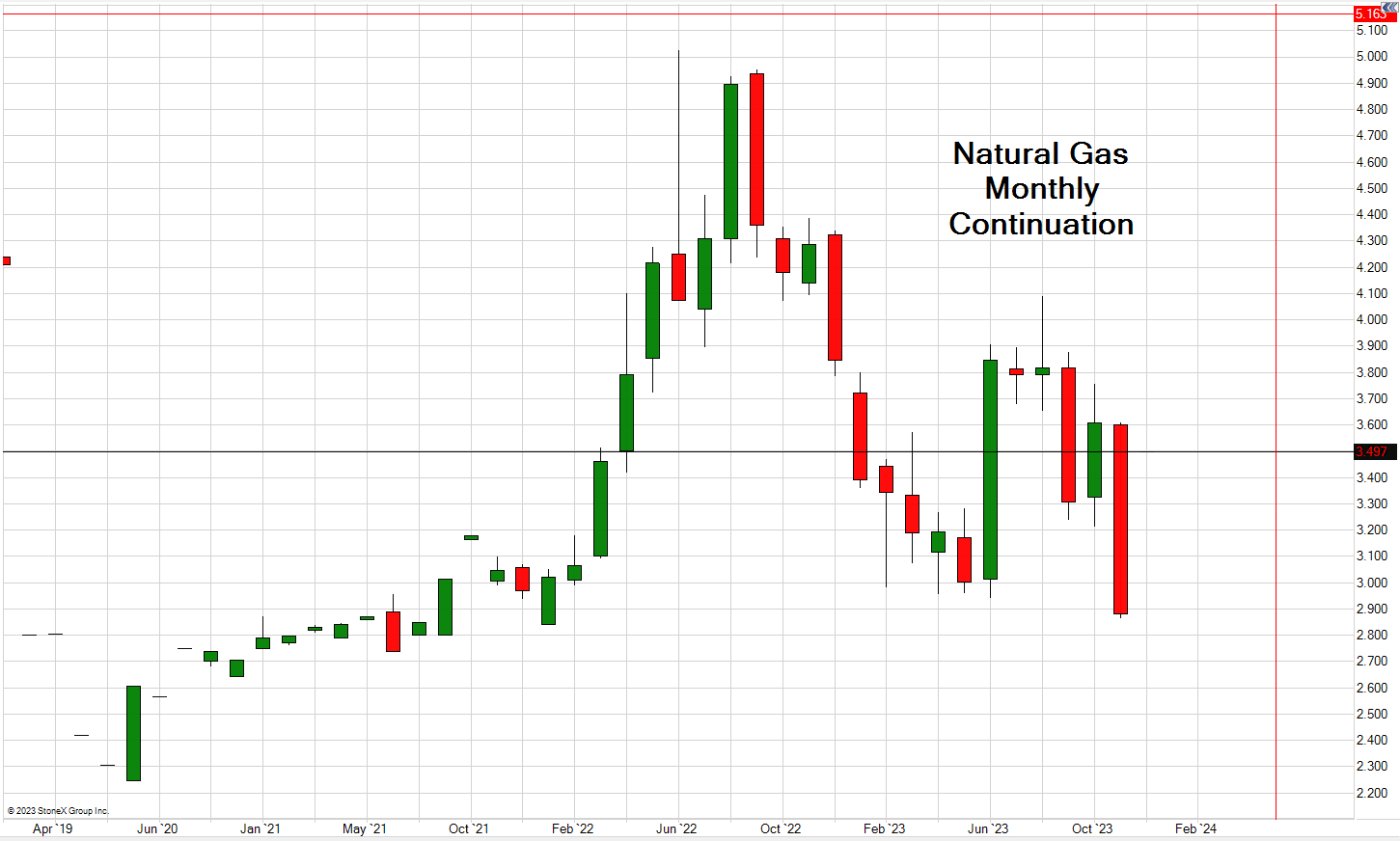
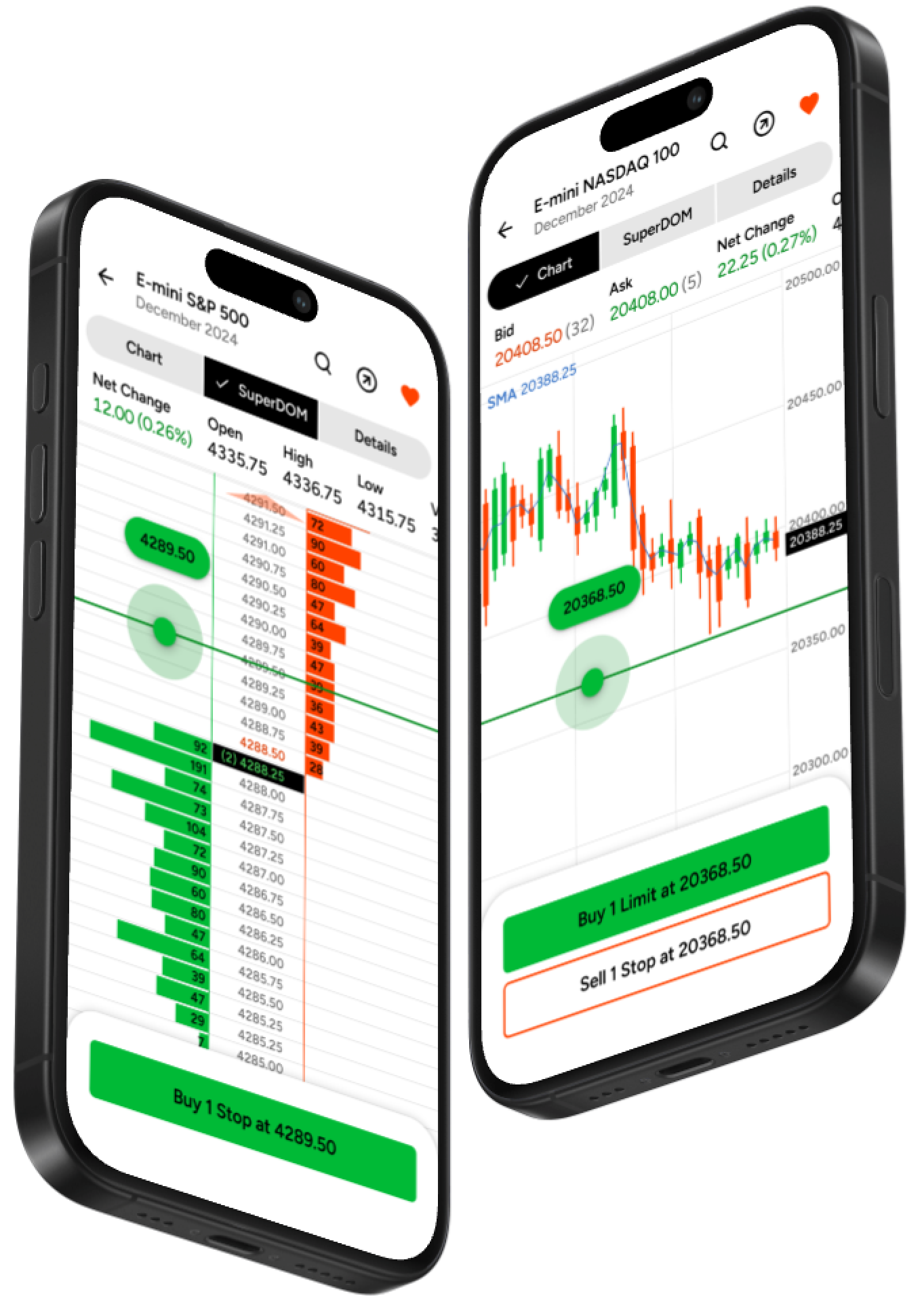
Step 4: Pick your contract and place your trade. Natural gas futures trade on exchanges like the NYMEX (New York Mercantile Exchange). You’ll see contracts for different months: January, February, March, and so on. You’re choosing when you want to theoretically take delivery (or, more likely, close out your position before then).
Each contract represents a huge amount of natural gas – typically 10,000 million British thermal units (MMBtu), which is a metric you really don’t need to fully grasp beyond knowing it’s a lot. You’ll then place your order, specifying the contract month, the price you want, and how many contracts you’re buying. And then… you wait. And possibly sweat a little.
A friendly word of caution (because I’m your friend, right?)
Natural gas futures are notoriously volatile. Prices can swing wildly in a single day based on a sudden change in the weather forecast or an unexpected report. It’s not like buying a stable, dividend-paying stock. This is more like riding a roller coaster blindfolded while juggling flaming torches.
So, if you’re thinking about diving in, make sure you really understand the risks. Start small, understand margin calls, and maybe, just maybe, only invest money you’d be comfortable setting on fire (metaphorically, of course).
It can be an incredibly interesting and potentially profitable corner of the market, but it’s definitely not for everyone. Now, about that second coffee… we’ve got more to talk about than just gas, I hope!