
How Do Carbon Monoxide Monitors Work

Ever curl up on the sofa, a warm drink in hand, feeling utterly secure in your fortress of solitude? There’s a quiet joy in that feeling of safety, knowing your home is a sanctuary. While we might obsess over deadbolts and alarm systems, some threats are more insidious, more invisible, and far more treacherous. That’s where our unsung hero, the carbon monoxide monitor, strides onto the scene, offering a profound sense of peace of mind that many of us simply take for granted.
This unassuming little device isn't just another gadget; it's a vigilant guardian, a silent sentinel protecting you and your loved ones from what’s often called the "silent killer." Carbon monoxide (CO) is an odorless, colorless, and tasteless gas produced by the incomplete combustion of fuels like natural gas, propane, oil, wood, and charcoal. Think furnaces, water heaters, gas stoves, fireplaces, and even car exhaust. Without a CO monitor, you’d never know it was there until its toxic effects began to manifest, often with symptoms easily mistaken for the flu. Its primary purpose is to sound the alarm, quite literally, giving you precious time to escape a potentially fatal situation. It's a life-saver, plain and simple.
So, how does this clever contraption perform its life-saving magic? Most modern CO monitors employ an electrochemical sensor. Think of it like a tiny battery that’s sensitive to carbon monoxide. Inside, there are electrodes immersed in an electrolyte. When CO gas enters the sensor, it reacts with the chemicals, creating an electrical current. The more CO present, the stronger the current. The monitor then measures this current and, if the concentration of CO (measured in parts per million, or ppm) reaches a dangerous level for a certain duration, it triggers that piercing alarm.
Must Read
Other types might use a metal oxide semiconductor. Here, a heated tin dioxide sensor’s electrical resistance changes when CO gas molecules come into contact with it. Again, the monitor translates this change into a reading, and if it crosses a threshold, your ears get a very important wake-up call. The key is that they're designed to react not just to a fleeting whiff, but to sustained dangerous levels, differentiating between a brief burst from your gas stove and a hazardous leak.

You’ll find these essential devices in homes, apartments, RVs, cabins, and even on boats where fuel-burning appliances are present. They're a mandatory presence in many new constructions and increasingly recognized as critical for universal safety. Practically speaking, they should be installed on every level of your home, especially near sleeping areas. Place them at least 15 feet away from fuel-burning appliances to avoid false alarms, but ensure they're close enough to detect a leak from a furnace or water heater.
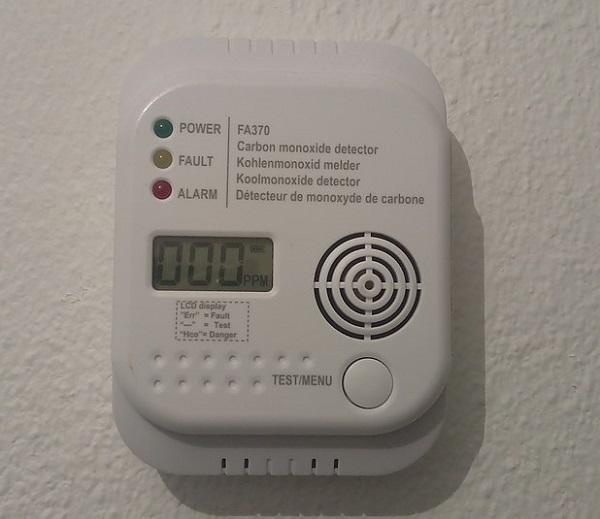
To enjoy the maximum benefit of your CO monitor effectively, remember these simple tips: test it monthly by pressing the test button. This ensures the alarm and internal circuitry are working. If your unit is battery-powered, replace batteries twice a year – a good rule of thumb is to do it when you change your clocks for daylight saving. Crucially, CO monitors don't last forever; their sensors degrade over time. Most units have a lifespan of 5-7 years, so check the manufacturer’s date and replace the entire unit when it expires. And finally, if the alarm ever sounds, don't hesitate. Get fresh air immediately, call emergency services, and only re-enter your home once it’s deemed safe by professionals. Your peace of mind is invaluable, and a well-maintained CO monitor is its steadfast protector.
.jpg)
