
How Difficult Is Fantaisie Impromptu
Ah, Chopin's Fantaisie-Impromptu. Even the name sounds like a dazzling, slightly reckless adventure! It's a piece that captivates listeners and aspiring pianists alike. Why? Because it's beautiful, undeniably romantic, and just a little bit…showy. It's the musical equivalent of a perfectly executed pirouette, a stunning sunset, or that dramatic entrance you always dreamed of making.
But beyond its aesthetic appeal, the Fantaisie-Impromptu represents a fascinating challenge. It sits right on the border between "impressive" and "fiendishly difficult," leading many a pianist to wonder: just how hard is it, really?
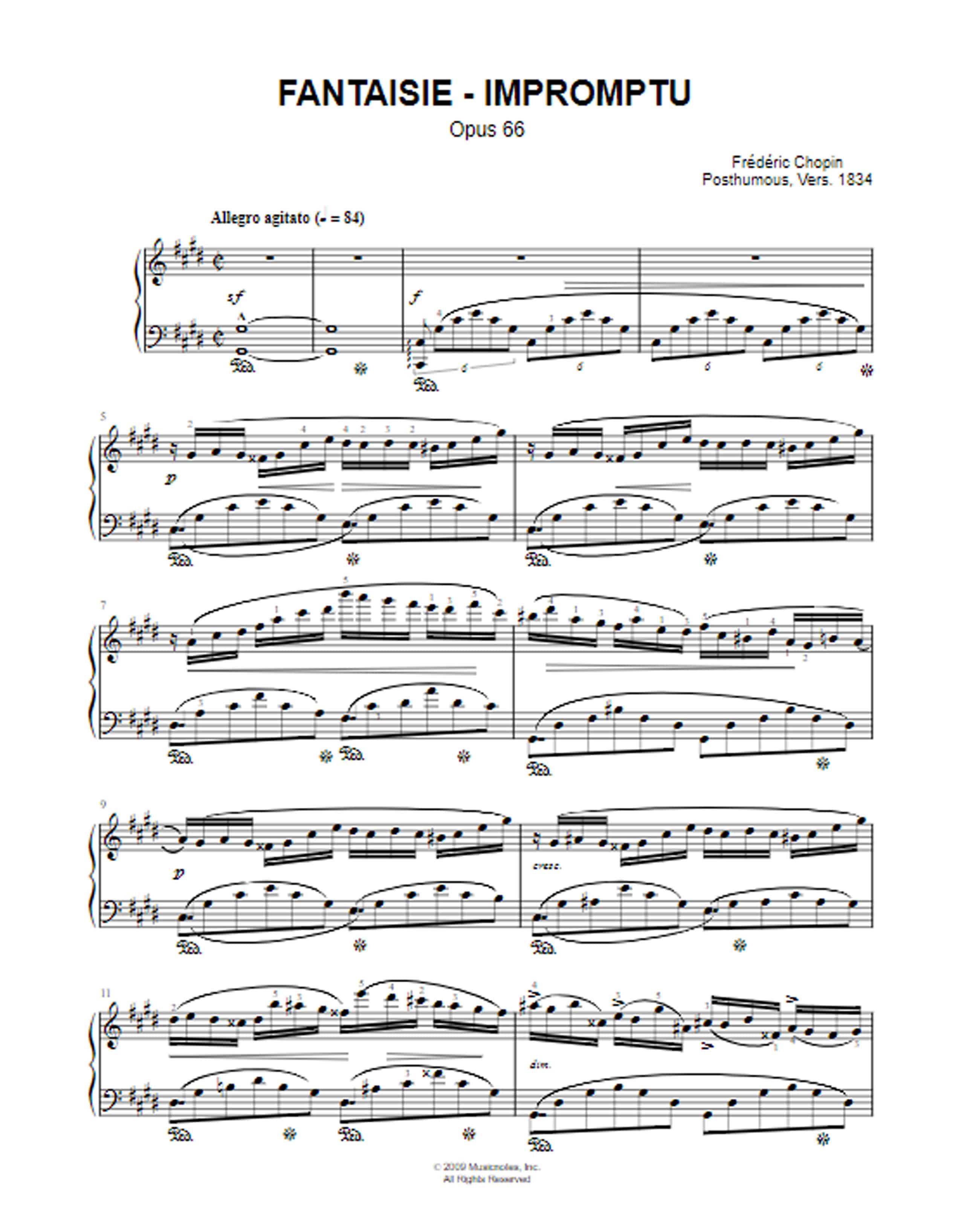
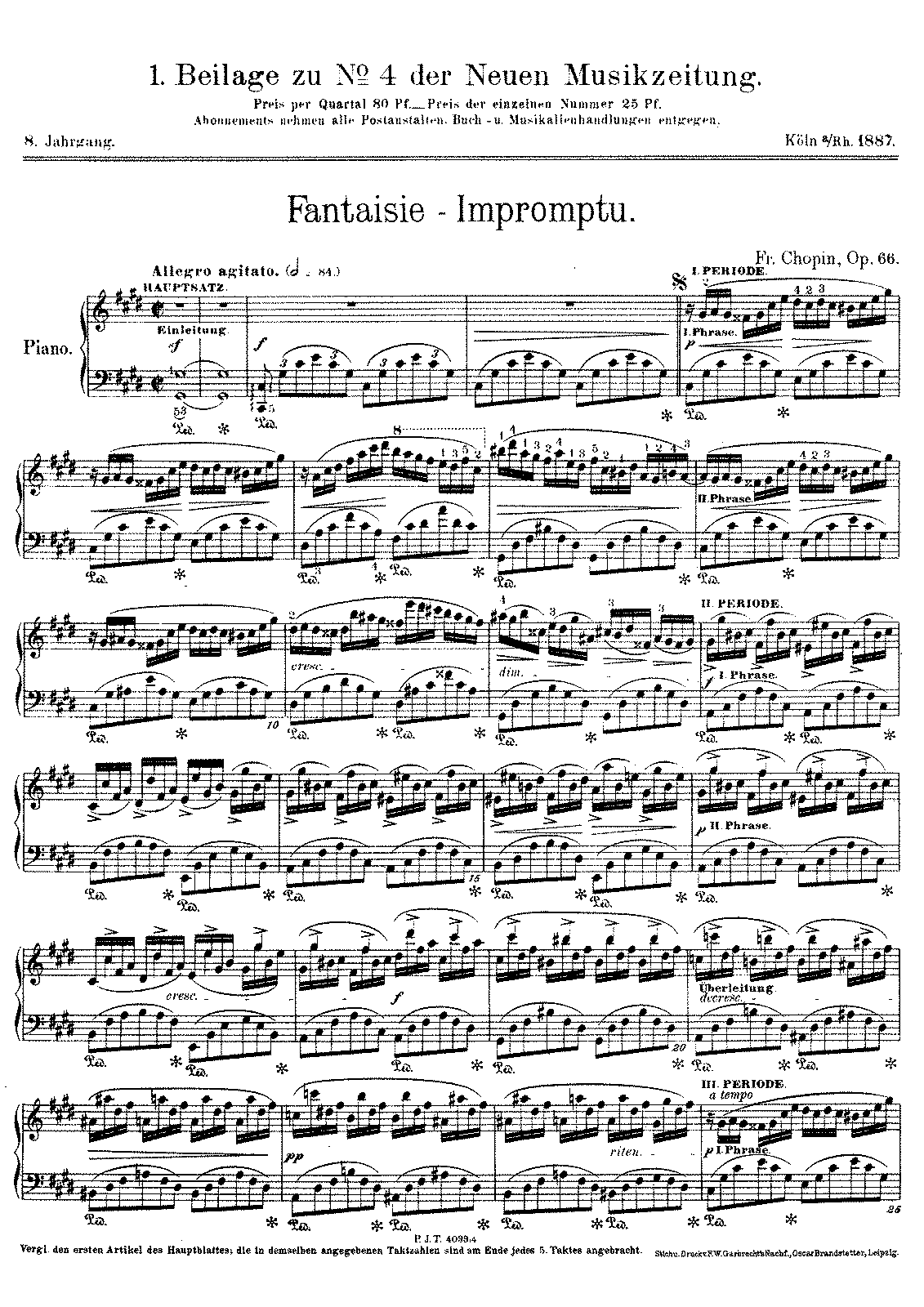
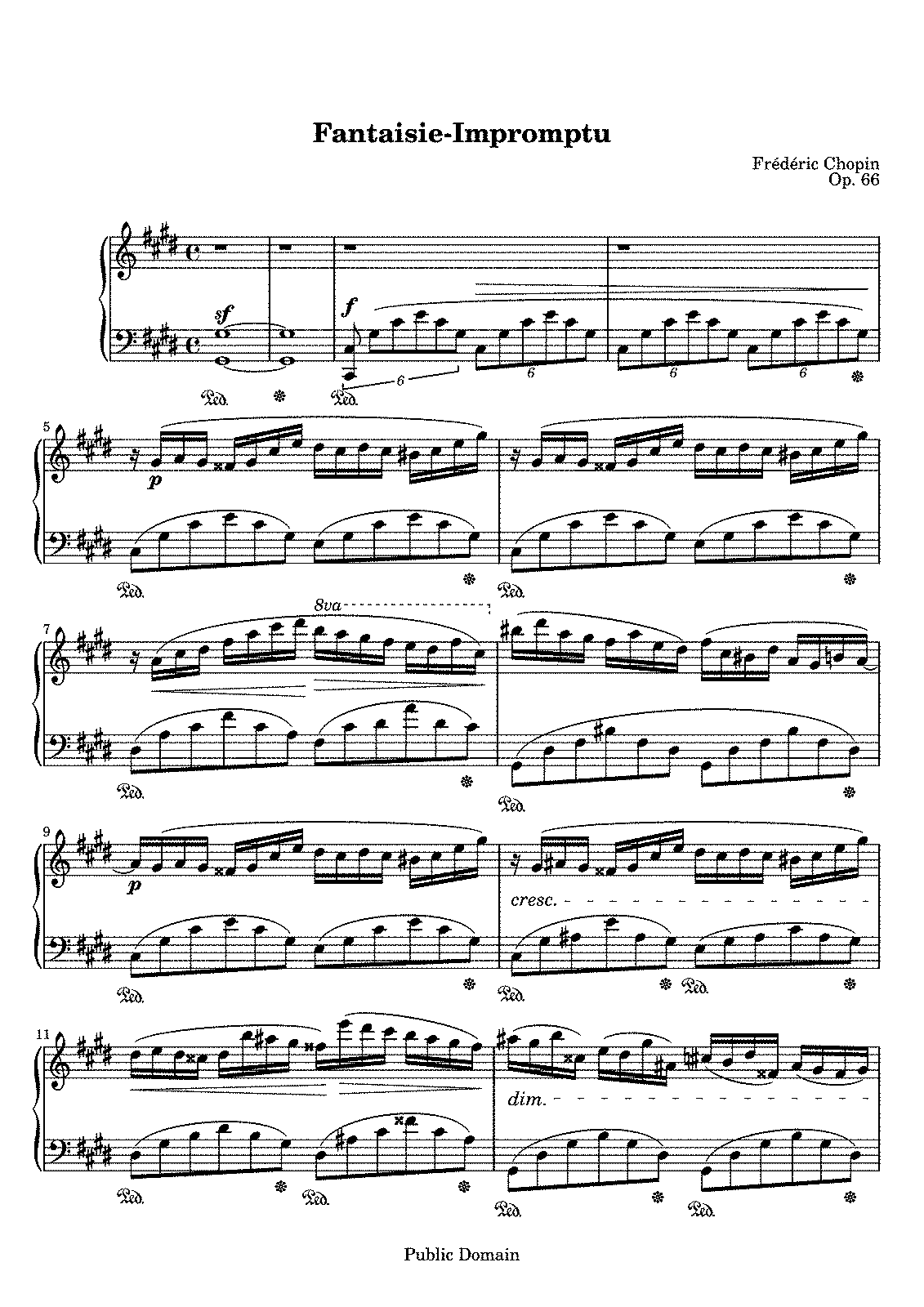
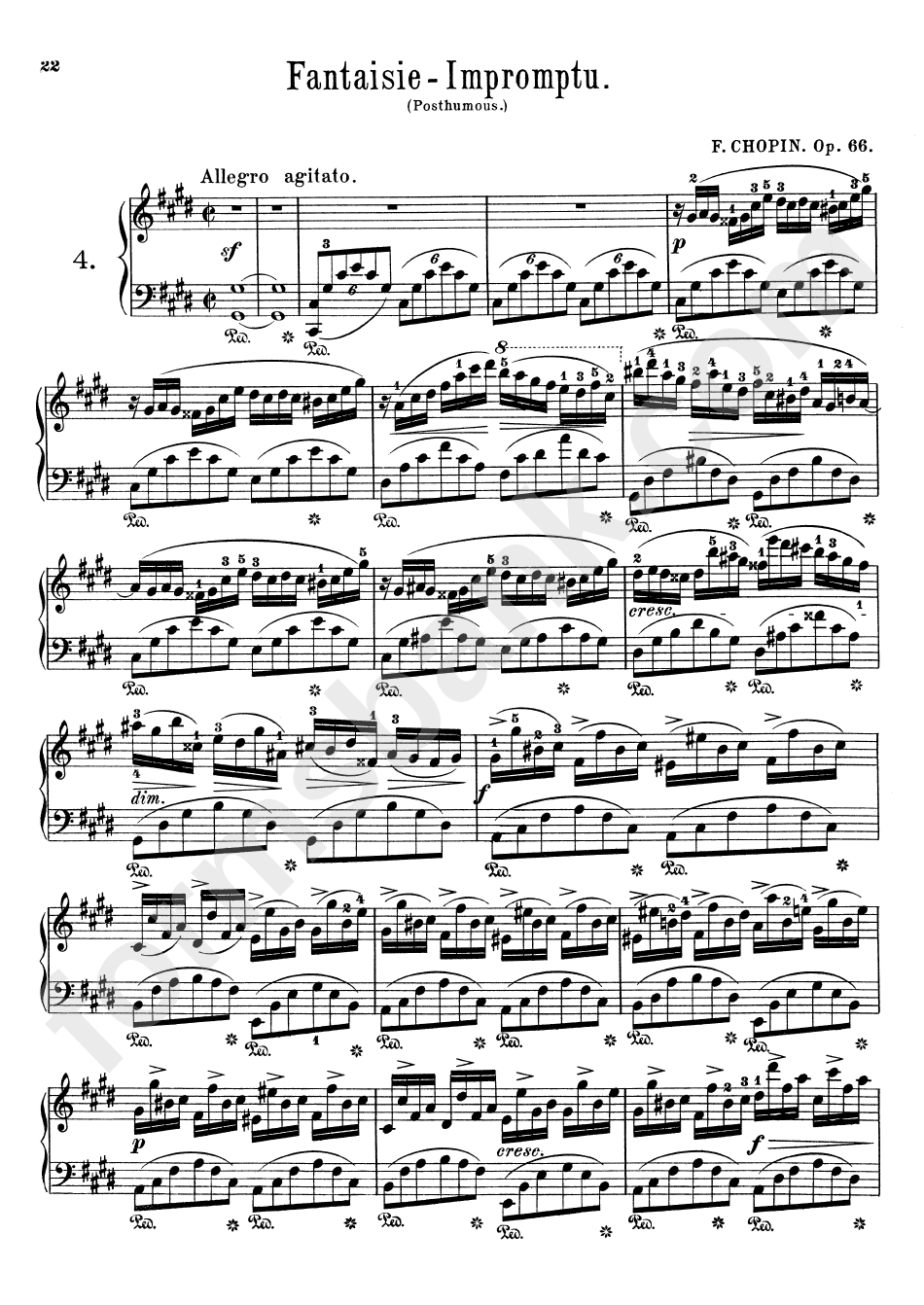
The truth is, its difficulty lies in a few key areas. Firstly, there's the notorious right-hand melody. It's fast, intricate, and demands exceptional finger dexterity and independence. Imagine trying to tap your head and rub your tummy at the same time, but with ten fingers, and at a rapid tempo. That gives you a rough idea.
Must Read
Then there's the left-hand accompaniment. While seemingly simpler, it requires a steady pulse and rhythmic precision to avoid sounding muddy or uneven. Imagine trying to keep a drumbeat perfectly consistent while someone’s juggling flaming torches nearby. The pressure is on!
And finally, the most devious aspect: the polyrhythm. The right hand plays sixteenth notes (four notes per beat) while the left hand plays triplets (three notes per beat). This creates a rhythmic tension that is incredibly challenging to coordinate. It's like trying to walk forward while someone gently tugs you backward – you have to stay grounded and focused.

So, why even bother tackling this piece? Because overcoming these challenges brings immense rewards. Firstly, it significantly improves your technical skills. Mastering the Fantaisie-Impromptu will undoubtedly enhance your finger independence, rhythmic accuracy, and overall coordination. Secondly, it deepens your understanding of musical expression. Learning to shape the melody, balance the voices, and convey the emotional depth of the piece is a valuable skill that can be applied to other musical works.
Common examples of this piece's application? Aside from solo piano performance, it frequently appears in film soundtracks, television shows, and even video games, instantly adding a touch of sophistication and drama. Think of it as the musical shorthand for "elegant struggle."
Want to enjoy practicing (or even just listening) more effectively? Here are a few tips:
* Start slow. Seriously slow. Use a metronome and gradually increase the tempo only when you can play accurately at a slower speed.
* Practice in sections. Break the piece down into smaller, manageable chunks and focus on mastering each section before putting them together.
* Isolate the hands. Practice the right hand and left hand separately to develop independence and coordination.
* Listen actively. Listen to recordings of different pianists performing the piece. Pay attention to their interpretations and techniques.
* Be patient. The Fantaisie-Impromptu is a challenging piece, so don't get discouraged if you don't master it overnight. Celebrate small victories and enjoy the process of learning.
Ultimately, whether you're an aspiring pianist or simply a music lover, the Fantaisie-Impromptu offers a captivating and rewarding experience. Embrace the challenge, appreciate the beauty, and let the music transport you!