How Did Vito Know It Was Barzini
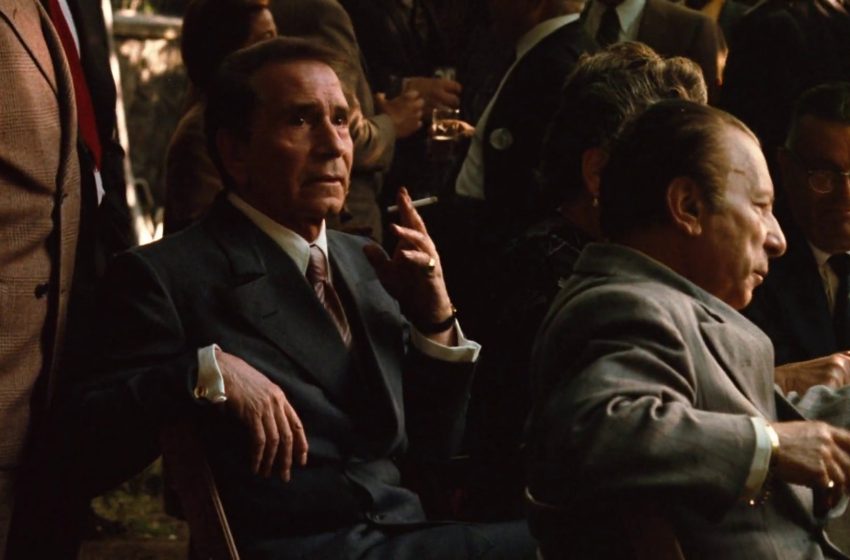
Okay, let's talk about The Godfather. Specifically, that iconic scene where Don Vito Corleone, nearing the end of his life, finally figures out who orchestrated the attempt on his life. Why is this little detail, "How did Vito know it was Barzini?" so captivating? Well, it's not just about settling a score; it's about understanding power dynamics, strategic thinking, and the subtle language of betrayal. It's a masterclass in deduction, and who doesn't love a good mystery?
Figuring out Vito's reasoning isn't just for movie buffs. The real purpose of dissecting this scene is to sharpen our own analytical skills. It helps us understand how to read between the lines, identify patterns, and ultimately, make better decisions in our own lives. It's about learning to see the bigger picture, even when it's obscured by carefully crafted facades.
So, how did Vito know? The key lies in his famous line: "Whoever comes to you with a meeting with Barzini, he's the traitor." This isn't just a random hunch. It's based on a deep understanding of the families' relationships and territories. Barzini wouldn't directly approach someone in the Corleone family; he would use an intermediary, someone trusted within the Corleone circle, to lure Michael into a vulnerable position. The offer of a peace summit, orchestrated by Barzini through a seemingly trustworthy individual, was the giveaway. The individual wasn't acting in the family's best interest, but Barzini's. He was willing to betray the family for personal gain, an action that ultimately revealed the bigger game being played. It's also a bit about trust. Vito understood who wouldn't normally be involved in such delicate negotiations. Their involvement itself was a red flag.
Must Read
This type of deductive reasoning isn't just for fictional mafiosos. Think about it: In education, students can use similar principles to analyze historical events, understanding the motivations and alliances that shaped the past. In daily life, it helps us evaluate the credibility of sources, identify potential scams, and even navigate complex social situations. For example, if a colleague who usually avoids conflict suddenly becomes overly helpful and eager to mediate a dispute between you and another coworker, it might be worth considering their underlying motivations. Are they truly trying to help, or are they serving another agenda?
Want to explore this further? Start by re-watching The Godfather. Pay close attention to the dialogue, especially the interactions between Vito, Michael, and the other family heads. Note the subtle cues, the implied threats, and the carefully worded promises. Consider the character of Tessio, and his final, telling line: "Tell Mike it was only business." Ask yourself: What made Tessio so vulnerable to Barzini's offer? What did he stand to gain? You could also try applying this type of analysis to current events. Pick a news story and try to identify the key players, their motivations, and the potential hidden agendas. By consciously practicing these analytical skills, you can become more perceptive and strategic in your own life. And who knows, maybe you'll even be able to spot a Barzini in your own world. Just hopefully without the violence!