How Deep Is The San Andreas Fault In California
Ever wondered about that famous crack in California? You know, the one everyone talks about – the San Andreas Fault? It's not just a line on a map. It's a massive, earth-shaking feature that's deeper than you might imagine! But how deep exactly?
Okay, picture this: you're standing on the surface, looking down. Way, way down. We're not talking about the height of a skyscraper here. We're talking about digging a hole so deep it would make even the most dedicated miner dizzy. The San Andreas Fault extends down into the Earth's crust quite a ways. It’s not just a surface scratch!
Diving Deep: Not Quite to China
The San Andreas Fault isn't a simple, clean break. It's more like a messy, complicated zone of fractured rock. This zone dips downwards, and it’s a bit tricky to give a precise measurement, because there's no giant measuring tape long enough to go into the Earth! However, scientists estimate that it extends approximately 10 miles (16 kilometers) deep in some areas.
Must Read
Think about that! That's deeper than the deepest part of the ocean (though not by much), deeper than the Grand Canyon is wide in places, and definitely deeper than you want to fall! It's a serious piece of geology that needs to be understood. It is a major player in the world of earthquakes.
Why the Depth Matters
So why do we care how deep it is? Well, the depth of the fault is crucial for understanding how earthquakes happen. The deeper the fault, the more rock that can be involved in a potential rupture. A deeper rupture can also lead to bigger and more damaging earthquakes.

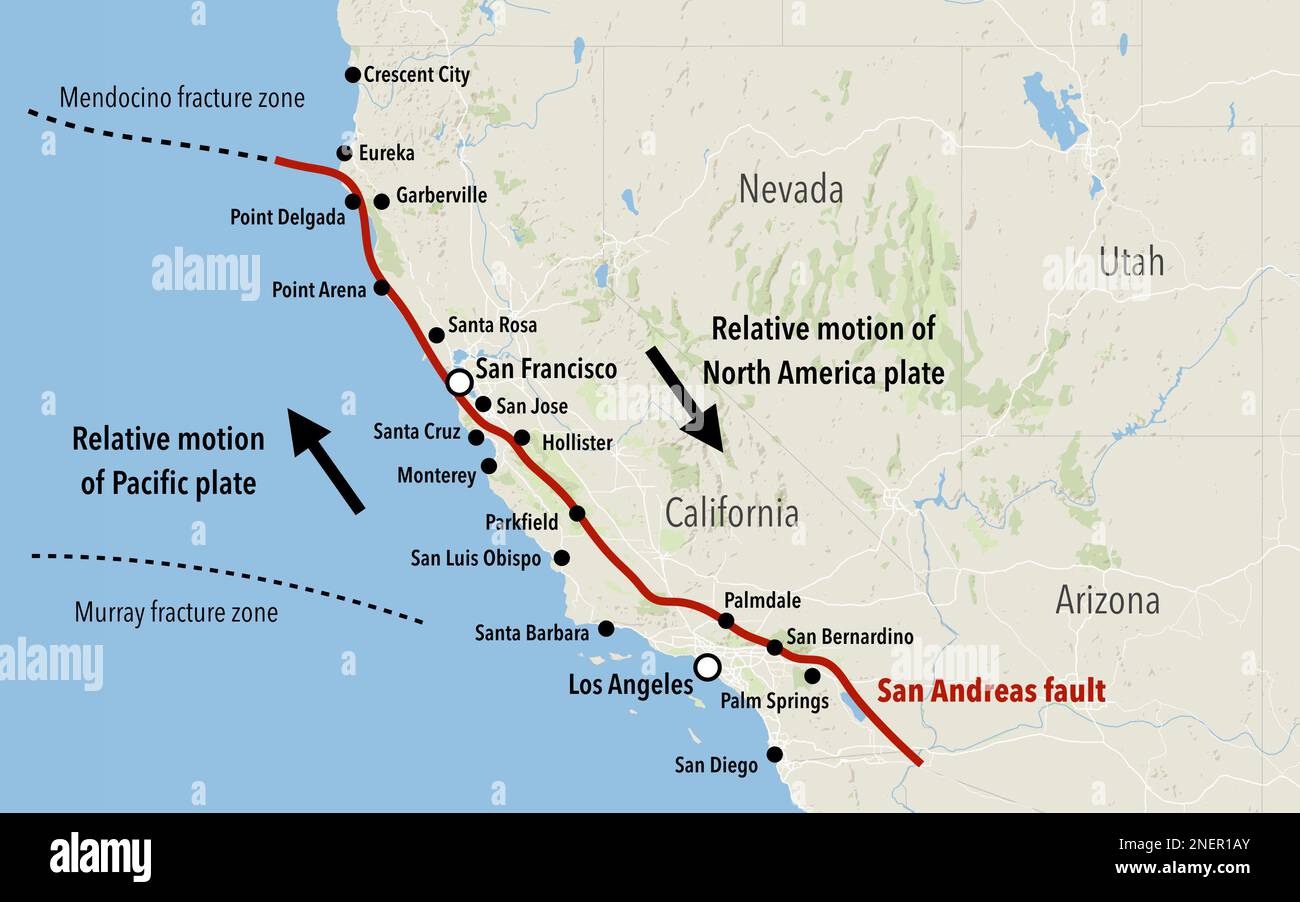
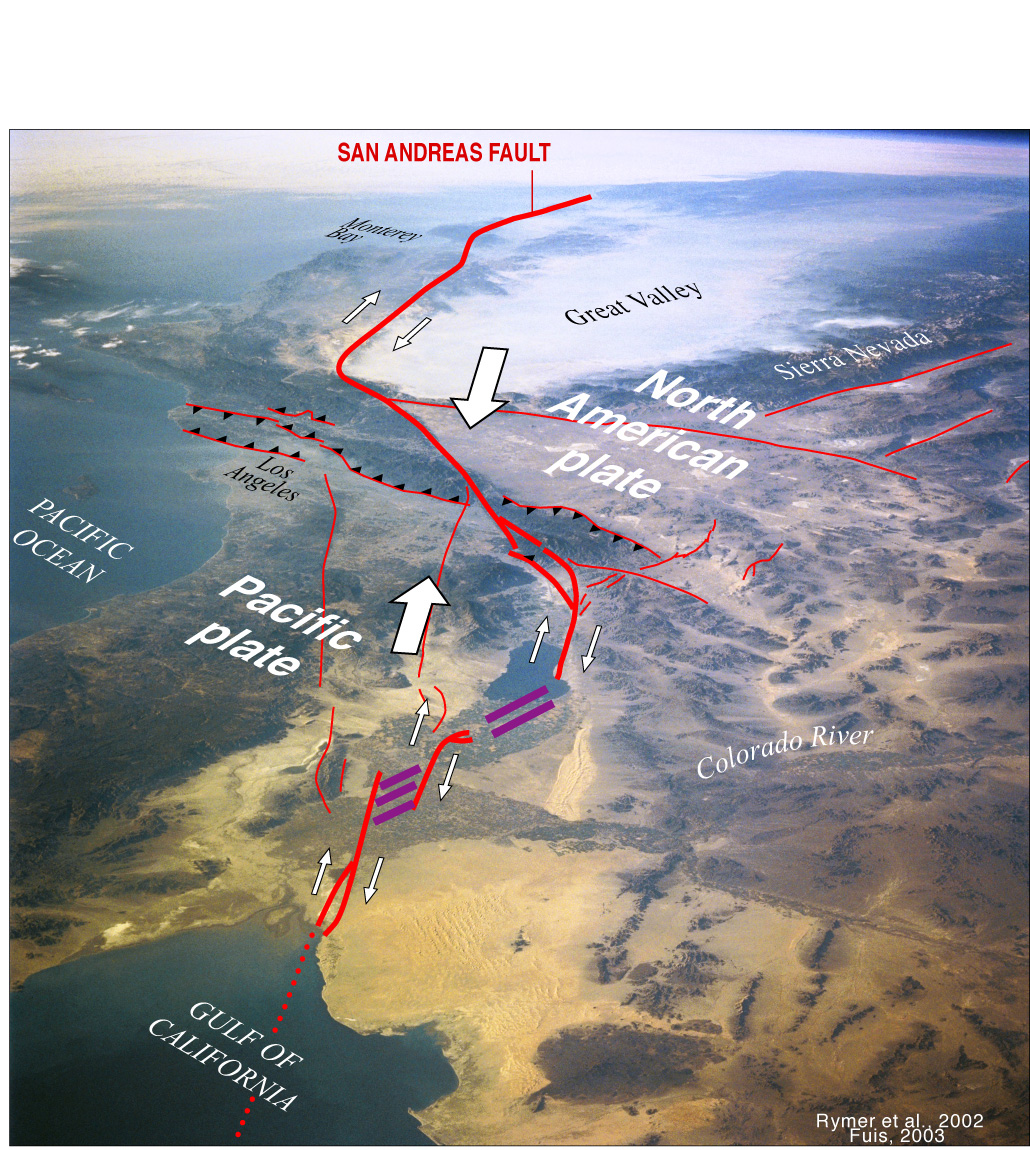
The San Andreas Fault is a strike-slip fault. This means that the two sides of the fault are moving horizontally past each other. The Pacific Plate is slowly grinding northward relative to the North American Plate. This movement is not smooth. It's jerky, and these jerks are what cause earthquakes. The deeper the fault, the more potential for a really big "jerk."
Think of it like trying to slide two rough pieces of sandpaper past each other. Sometimes they'll stick for a bit, and then suddenly slip with a jolt. That jolt is an earthquake, and the deeper the fault, the bigger the sandpaper!
Exploring the Fault (From a Safe Distance!)
Okay, we're not suggesting you grab a shovel and start digging! You won't get very far. But there are many ways to explore the San Andreas Fault without risking life and limb.

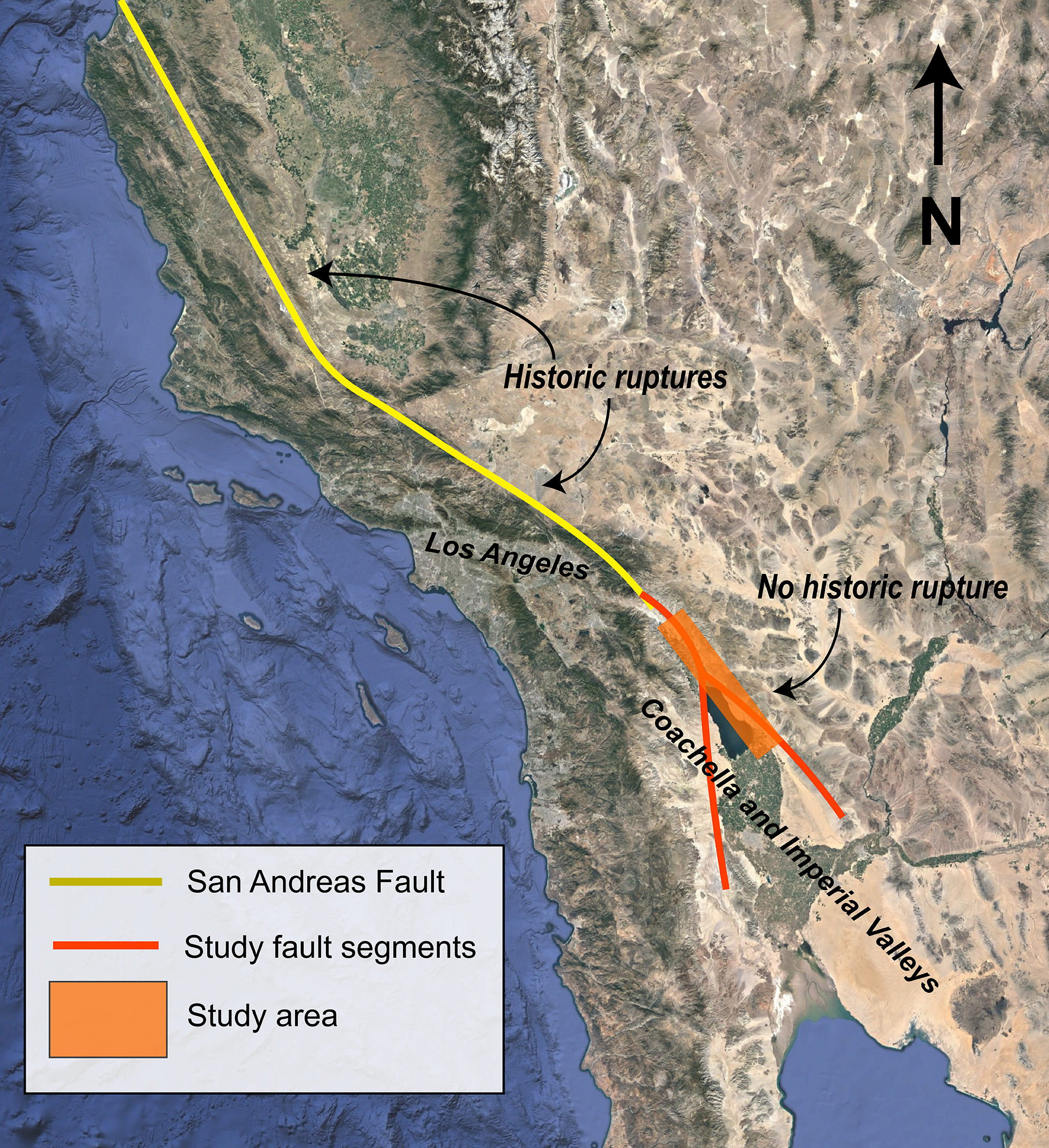
You can visit places where the fault is visible at the surface. There are several parks and natural areas where you can see evidence of the fault's movement. You could drive along Interstate 5 near Tejon Pass. You'll see how the landscape is offset by the fault. It's a truly incredible and awe-inspiring sight.
There are also museums and visitor centers that offer exhibits about the fault. There are countless documentaries that will get you up to speed. Plus, you might even find local tours offered. These are often led by experts who can explain the science behind the fault in an accessible way.
"The San Andreas Fault is a reminder of the powerful forces that shape our planet. It’s a force of nature that can be both terrifying and fascinating."
The San Andreas: More Than Just a Crack
The San Andreas Fault is a complex and dynamic feature. It's a major player in California's geology. It's more than just a crack in the ground. It’s a zone of immense pressure and slow, relentless movement. It is a reminder of the Earth's incredible power.
So, next time you hear someone mention the San Andreas Fault, remember that it is more than just a simple line on a map. It’s a deep, powerful, and ever-present force that shapes the landscape and the lives of millions of people. Go explore, learn, and appreciate this amazing feature of our planet! You might just find yourself a little bit more in awe of the power beneath our feet.
It’s a deep dive into the heart of California… literally!