How Coal Is Formed Short Answer
Ever held a lump of coal? It looks like a simple, unassuming black rock, right? But hold on a minute! That ordinary-looking chunk has quite the extraordinary backstory. It’s not just a rock; it’s a time capsule, a geological masterpiece, and frankly, a bit of a natural marvel. Getting to know how it’s formed is like peeking behind the curtain of Earth’s grandest, slowest magic show.
Imagine stepping back in time, not just a few hundred years, but a mind-boggling millions of years. Picture a world utterly different from ours, a place dominated by lush, steamy landscapes. We're talking about vast, dense areas that look a lot like today's tropical swamps and marshlands. Think giant ferns, towering trees, and all sorts of ancient plant life thriving in soggy, nutrient-rich soil. These weren't just any forests; they were super-producers, churning out an incredible amount of organic material.
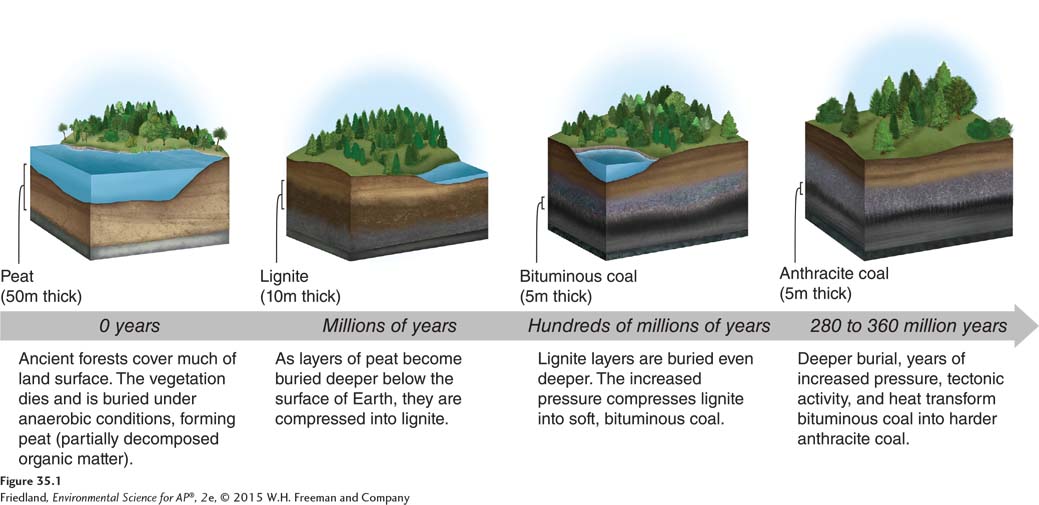
Now, here's where the magic really begins. When these fantastic plants eventually completed their life cycle and died, they didn't just vanish into thin air. Instead, they tumbled into the stagnant, oxygen-poor waters of the swamps. Because there wasn't much oxygen around, they didn't fully decompose like leaves in your garden compost pile. Instead, they started to pile up, layer upon gooey layer, forming a thick, spongy, waterlogged material. This is what we call peat – the very first baby step on coal's epic journey.
Must Read
Imagine nature’s ultimate recycling program, running on a timeline that makes our history books look like a blink!
Over eons, more and more plants grew, died, and added to these ever-growing piles of dead plants. The swamps slowly shifted, sometimes getting covered by rivers carrying mud and sand. These new sediments – mud, sand, and even more plant matter – began to bury the peat deeper and deeper. As layer after layer stacked up, something incredible started to happen: the immense weight from above created staggering pressure.

Think about what happens when you squeeze something really hard. It compacts, right? The same thing happened to those ancient peat layers. They got squished, squeezed, and flattened. The water was pressed out, and the material became denser. But it wasn't just about pressure. As these layers sank further into the Earth's crust, they also started to feel the heat. A lot of it! The planet's internal warmth, combined with that incredible pressure, became the ultimate slow-cooker for our future coal.
This stage is where the real transformation takes place. Under extreme heat and pressure, the chemical structure of the ancient plant material began to change fundamentally. It gradually lost more of its oxygen and hydrogen, becoming richer and richer in carbon. It’s like a super slow-motion alchemy, turning green, leafy matter into something utterly different. This process doesn't happen overnight, or even over a few thousand years. We're talking about enduring these conditions for, you guessed it, literally millions of years.
The Grand Reveal: From Swamp Goo to Black Gold!
After all that incredible squeezing, cooking, and waiting, what do you get? You get coal! What started as vibrant, living plant matter, then became soggy peat, slowly but surely transformed into the dense, black, carbon-rich rock we recognize. It’s a testament to nature’s patience and immense power. Each type of coal, from lignite to anthracite, tells a story of how much pressure and heat it endured, and for how long. The harder and blacker it is, the more intense its geological upbringing.
So, the next time you see coal, remember its wild past. It’s not just a simple rock; it's a silent witness to Earth's ancient past, a product of massive forces, and a truly epic transformation. It’s a fossil fuel, yes, but it’s also a tangible link to ancient forests and times we can only dream of. How cool is that? It makes you look at every lump a little differently, doesn't it? It’s a masterpiece forged in the Earth’s own grand, slow-motion furnace!