
How Can I Read My Electric Meter
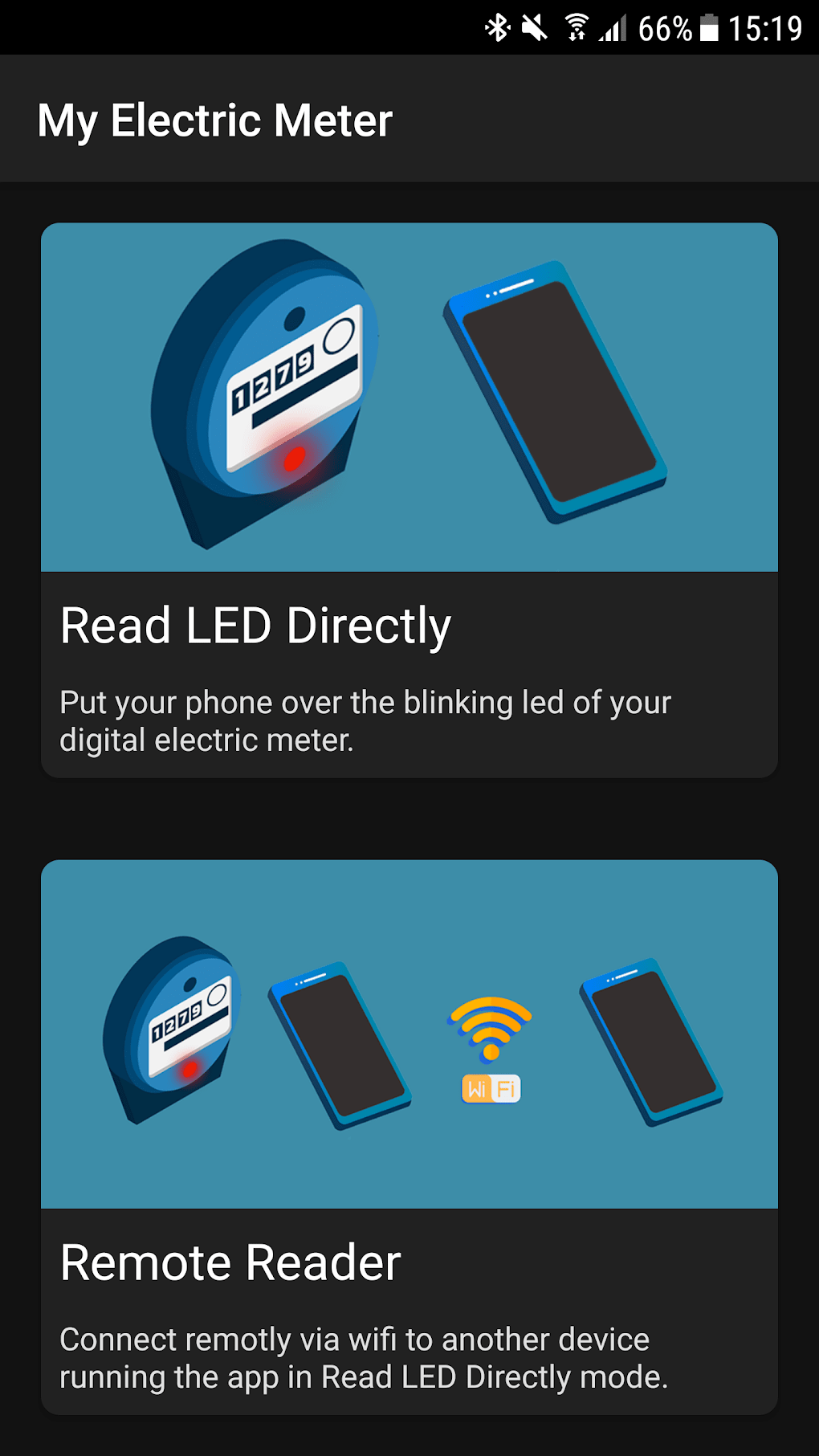
Ever stared at your electric bill and wondered, "What even IS this number?" You're not alone, my friend! It’s like a secret code, right? Well, guess what? You, yes you, can totally crack that code and become an energy detective! Reading your electric meter isn't some super-secret skill reserved for utility company wizards. It's actually pretty fun, a little bit empowering, and a great way to understand exactly how much juice your home is guzzling.
Think of it this way: knowing how to read your meter is like having a direct line to your electricity usage, bypassing all the mystery. It can help you spot unexpected spikes, confirm your bill is accurate, and even give you a pat on the back for that time you remembered to unplug all your phantom power suckers. (Go you!)
First Things First: What Kind of Meter Do You Have?
Before we dive into the nitty-gritty, let's identify your opponent... I mean, your meter! There are generally two main types you'll encounter:
Must Read
The Classic: Analog (Dial) Meter
Ah, the OG of electricity measurement! These are the ones with a series of little clock-like dials. They look a bit retro, like something out of a science fiction movie from the 50s. If you see four or five tiny clocks ticking away, you've got an analog meter. Don't worry, they're not as intimidating as they look!
The Modern Marvel: Digital Meter
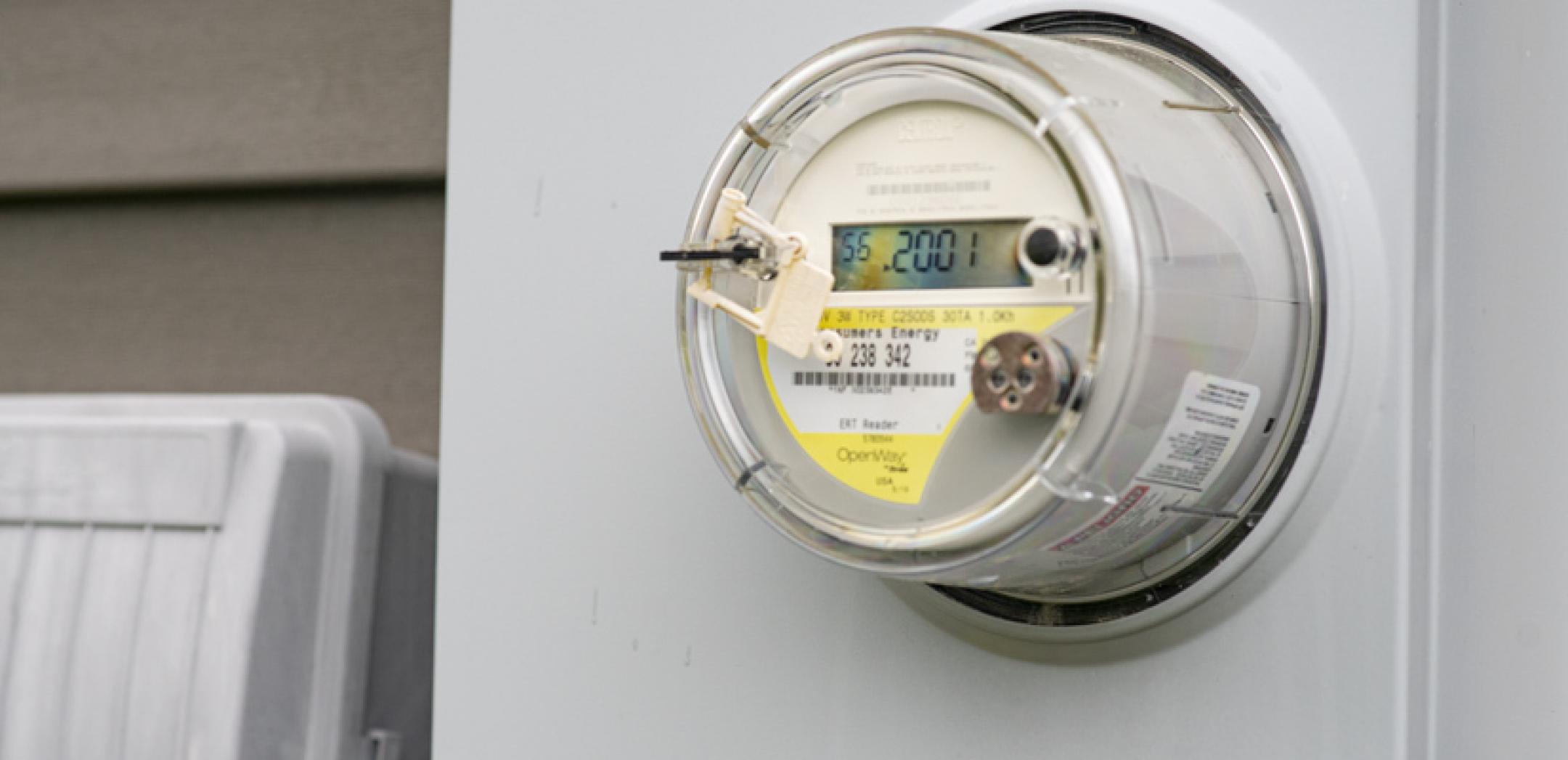
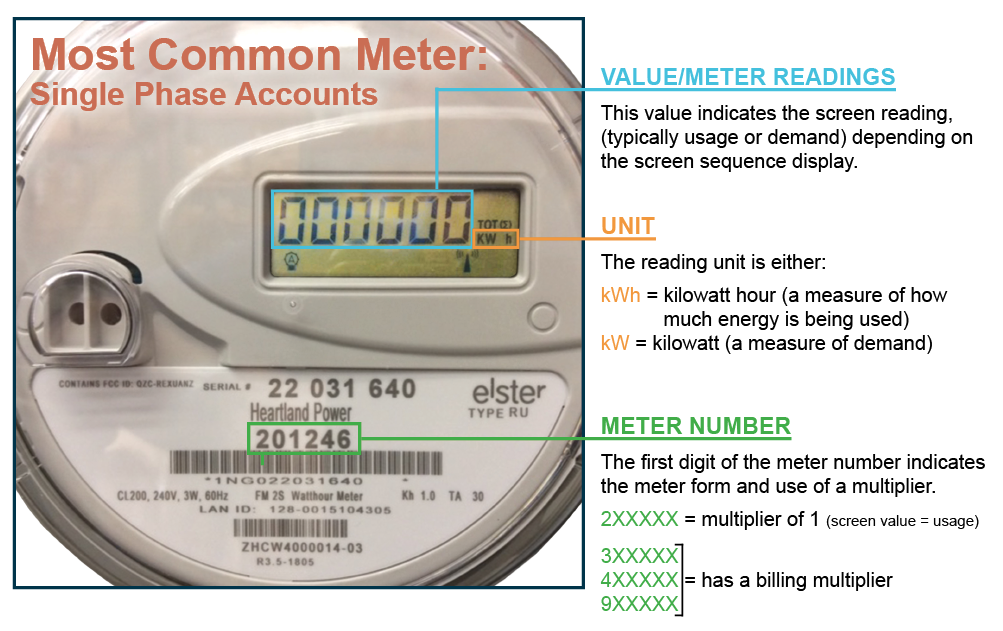
These are much more common now. If your meter has a clear LCD screen displaying a series of numbers, usually blinking or scrolling through different readings, then you’re dealing with a digital meter. Lucky you, these are generally a breeze to read!
Reading Your Digital Meter: Easy Peasy Lemon Squeezy
Let's start with the easy one, because who doesn't love a quick win? If you have a digital meter, congratulations! You’ve basically won the meter-reading lottery.
Here’s the deal:
- Find It: Locate your meter. It's usually outside your house, maybe on the side, or sometimes in the basement or garage in older homes.
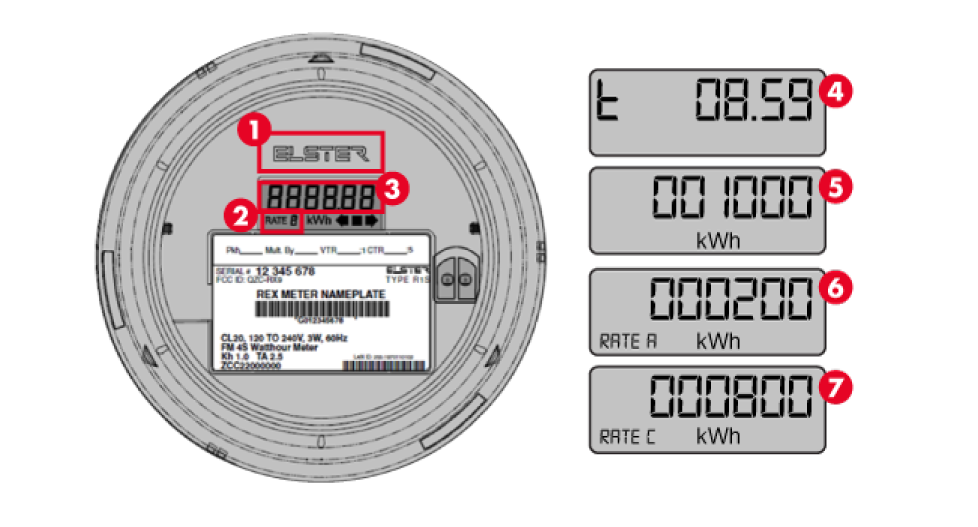
- Look for the Main Display: Your digital meter will cycle through a few different numbers. You’re looking for the one that usually says "kWh" (kilowatt-hours) or just the plain numerical reading without any letters. It might even have a little arrow pointing to "Total KWH".
- Write It Down: Simply jot down all the numbers you see from left to right. That’s it! No fancy interpretation needed here.
See? Told you it was easy! Now you have your current reading.
Conquering the Analog Meter: Your Inner Detective Unleashed
Okay, time to put on your detective hat for the analog meter. This is where it gets a little more involved, but still totally doable. Think of it as reading an old-school clock, but with multiple hands.
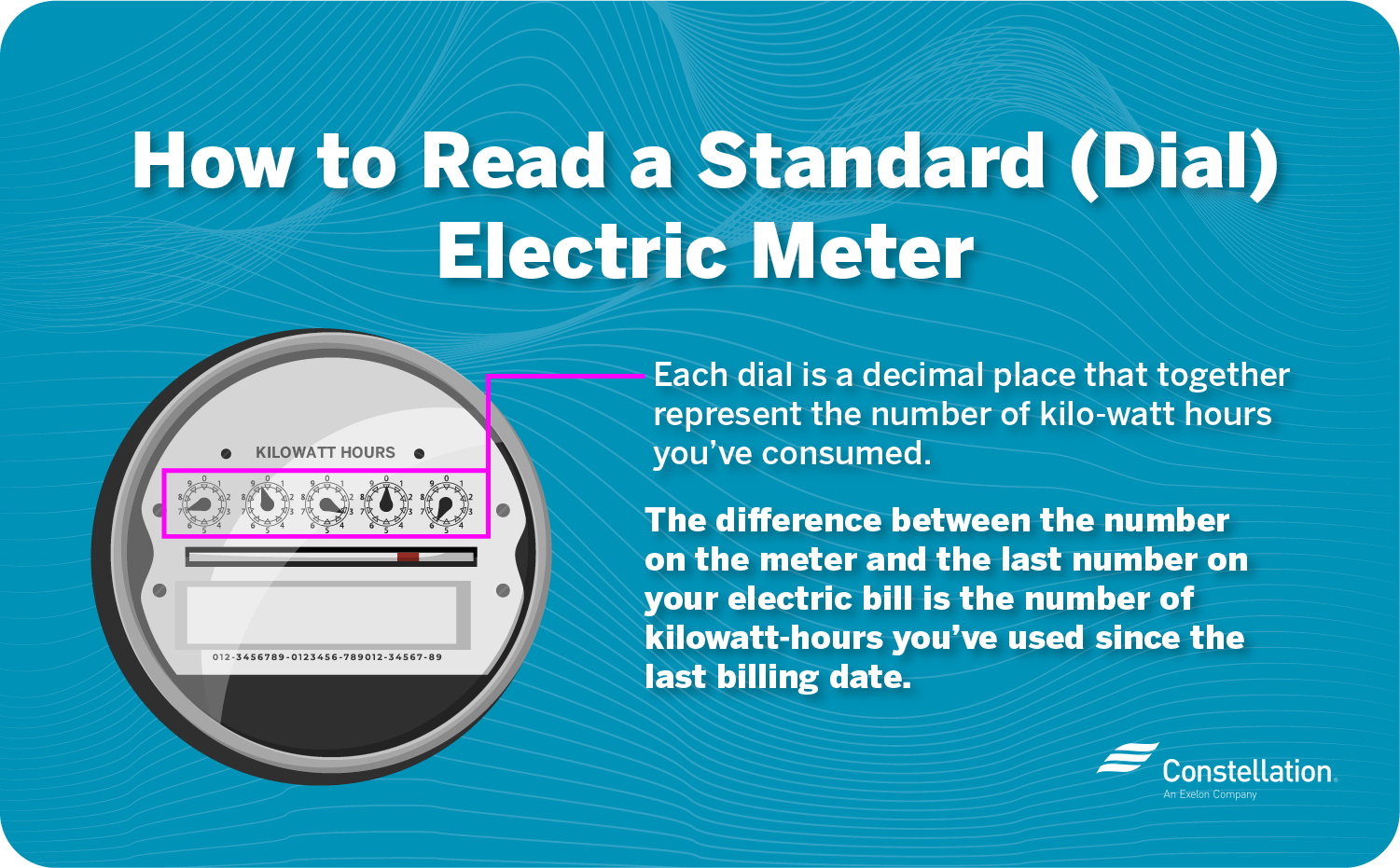
Most analog meters have four or five dials. Here’s the trick:
- Read Left to Right: Always read the dials in order, just like you read a book.
- Pay Attention to the Numbers: Each dial has numbers from 0 to 9. The pointers usually alternate direction (some go clockwise, some counter-clockwise). Don't let that trick you!
- The "Between" Rule: This is the most important part! If a pointer is between two numbers, you always, always, always record the lower number. For example, if it's between 4 and 5, you write down 4. Easy, right?
- The "Exactly On" Rule: If a pointer is sitting exactly on a number (like a perfect 7), you record that number. But here's a tiny caveat for the super sleuths: if it's pointing exactly at zero, quickly peek at the dial to its right. If the dial to the right hasn't quite reached zero yet (it's still on 9), then the dial you're looking at is technically still registering a 9. But honestly, for casual reading, sticking to the "between" rule will get you very close!
So, you'll end up with a series of numbers, like 1-2-3-4-5. That's your reading!
So, What Do I Do With These Numbers?
Now that you've got your current reading, here's the fun part – calculating your usage!
To figure out how much electricity you've used since your last bill (or your last reading), you simply:
Current Reading - Previous Reading = Total Usage (in kWh)
Grab your last electricity bill; it usually has your previous reading printed right on it. Do the math, and boom! You'll have your very own verified usage number. Compare it to what your bill says. Are they close? High five!
Pro Tips for the Aspiring Energy Guru:
- Take a Picture! Seriously, your phone is your best friend here. Snap a photo of your meter after you read it. It's great for double-checking and proof if you ever have a dispute.
- Read Regularly: Try reading your meter at the same time each month. This helps you track trends and become a true energy efficiency champion.
- Safety First: Meters are tough, but they're still electrical equipment. Don't poke or prod inside them, and if anything looks damaged, call your utility company!
You did it! You've officially unlocked the mystery of your electric meter. You're not just a bill-payer anymore; you're an informed energy consumer, a detective, an analyst, and frankly, a bit of a superhero in your own home. Who knew reading numbers could feel so empowering?
Keep tracking your usage, keep making smart energy choices, and enjoy the feeling of being in control. Go forth and conquer those kWh, you magnificent energy whisperer!