How Can Humans Reduce Greenhouse Gas Emissions
Ah, the simple pleasure of… well, existing! Think about it: from the cozy warmth of your home on a chilly evening to the delicious meal you savored last night, so much of what we enjoy relies on energy. We flip a switch, drive our cars, and order online without necessarily thinking about the bigger picture. But what if we could maintain our quality of life while also being kinder to our planet? That's where reducing greenhouse gas emissions comes in, and it’s surprisingly empowering!
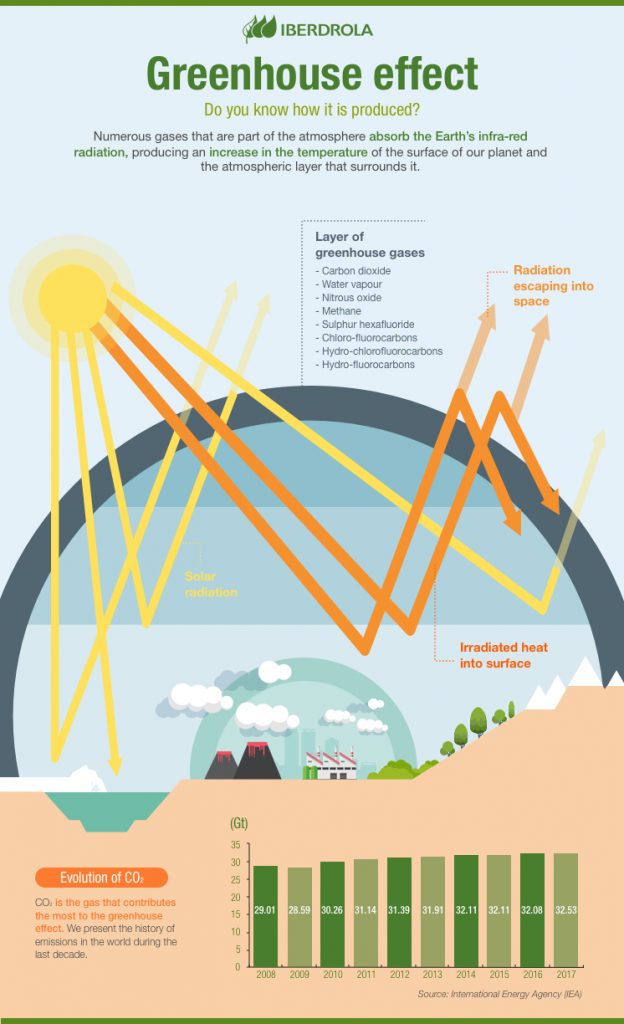
The purpose is simple: to keep our Earth habitable. Greenhouse gases, like carbon dioxide and methane, trap heat in the atmosphere. While a little bit of this is natural and necessary, excessive amounts lead to global warming and climate change. This translates into more extreme weather events (like hurricanes and droughts), rising sea levels threatening coastal communities, and disruptions to ecosystems. Reducing these emissions is like turning down the thermostat on a planet-sized oven.
We encounter activities that produce greenhouse gases every single day. Driving a car that burns gasoline is a big one. So is using electricity generated by burning coal. Even the food we eat has a carbon footprint, from the fertilizer used on crops to the transportation of goods across the globe. Think about the last time you ordered takeout – the packaging, the delivery vehicle, it all adds up!
Must Read
So, how can we enjoy life more effectively – that is, more sustainably? Here are some practical tips:
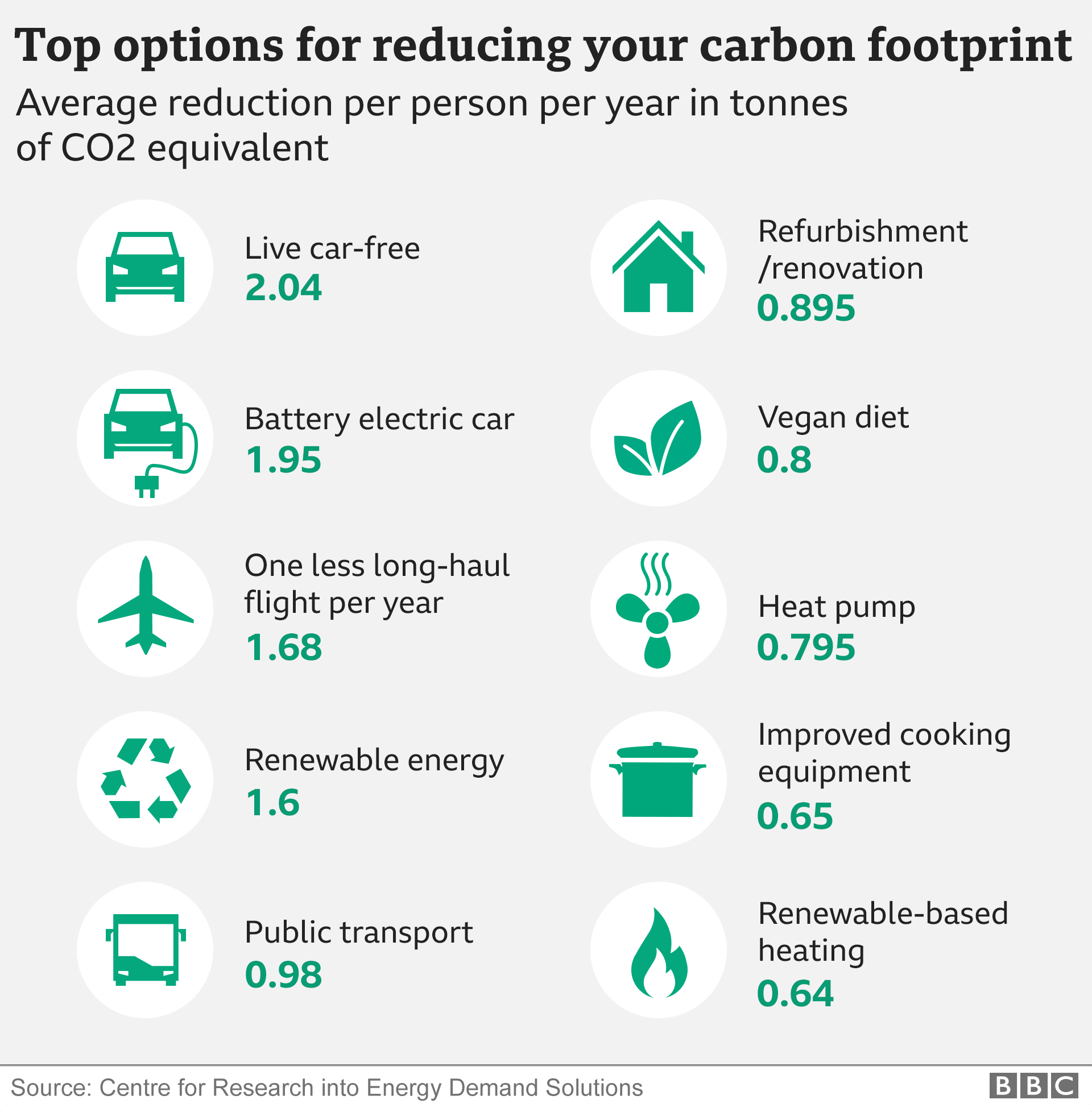
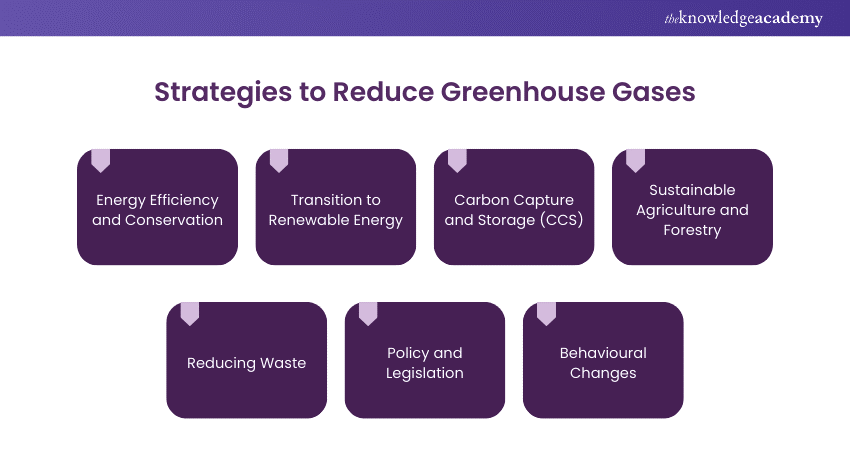
- Transportation: Consider alternatives to driving alone. Can you walk, bike, or take public transportation? If driving is unavoidable, carpool or choose a fuel-efficient vehicle. Electric vehicles are becoming increasingly accessible and affordable. Even something as simple as maintaining proper tire inflation can improve fuel efficiency!
- Energy Consumption: Be mindful of your energy use at home. Switch to energy-efficient light bulbs (LEDs are your friend!). Unplug electronics when not in use – they often draw power even when turned off. Adjust your thermostat – a few degrees warmer in the summer and cooler in the winter can make a big difference. And consider investing in renewable energy sources like solar panels if you're able.
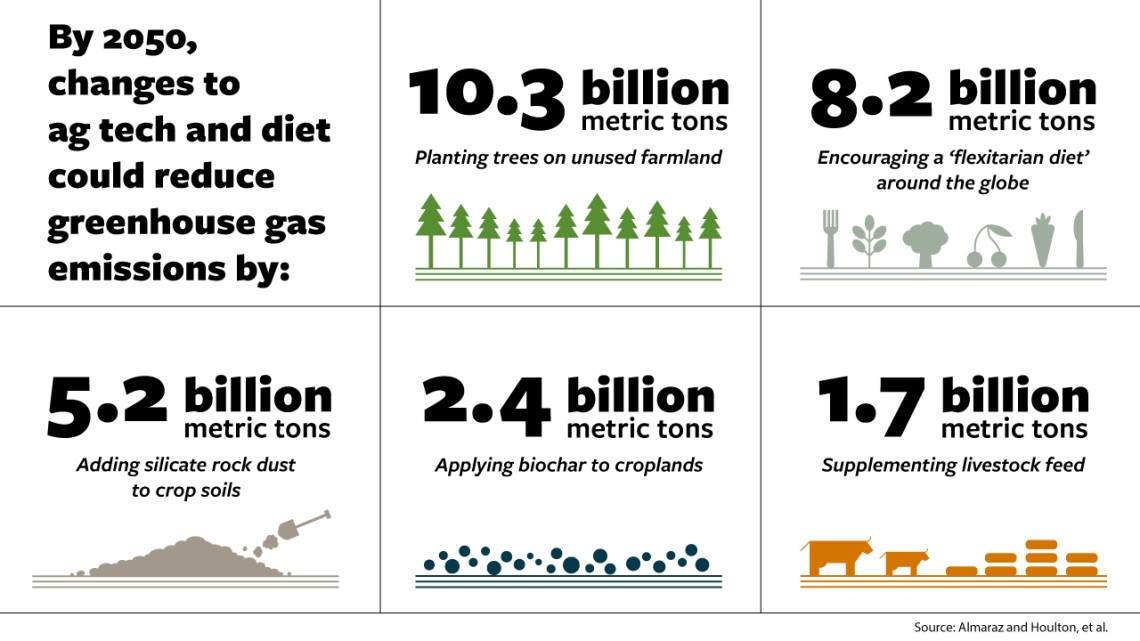
- Food Choices: Reduce your meat consumption. Meat production, particularly beef, has a significant environmental impact. Opt for plant-based meals more often. Buy local and seasonal produce to reduce transportation emissions. And minimize food waste – plan your meals, store food properly, and compost scraps.
- Consumption Habits: Think before you buy. Do you really need that new gadget? Can you borrow it from a friend or buy it secondhand? Choose products with minimal packaging. Repair items instead of replacing them. And recycle properly – make sure you know what can and cannot be recycled in your area.
- Advocacy: One of the most powerful things you can do is to advocate for change at a larger scale. Support policies that promote renewable energy, energy efficiency, and sustainable transportation. Talk to your friends and family about climate change and encourage them to take action. Your voice matters!
Reducing greenhouse gas emissions isn't about sacrificing our quality of life; it's about enhancing it. It's about creating a healthier, more sustainable future for ourselves and for generations to come. By making small changes in our daily lives, we can collectively make a big difference. And that's something to truly enjoy!