How Big Of An Air Conditioning Unit Do I Need

Summer. The season of rooftop cocktails, beach days, and… that nagging feeling that your air conditioning isn't quite cutting it. We've all been there, staring at the thermostat, willing it to display a cooler temperature as beads of sweat form on our foreheads. The culprit? You might have the wrong sized AC unit. Getting the right size is crucial, not just for your comfort, but also for your wallet and the environment. So, how big of an AC do you really need?
Goldilocks and Your AC: Not Too Big, Not Too Small
Think of it like Goldilocks and the Three Bears. Too small, and your AC will run constantly, struggling to cool the space and racking up your energy bill. Too big, and it will cycle on and off frequently, leading to uneven temperatures and potentially higher humidity. You want it just right.
The key measurement we're looking for here is BTUs, or British Thermal Units. This indicates the amount of heat the AC can remove from a room per hour. More square footage generally means you need more BTUs, but it's not the only factor. Let's dive in.
Must Read
The BTU Breakdown: Square Footage is Just the Beginning
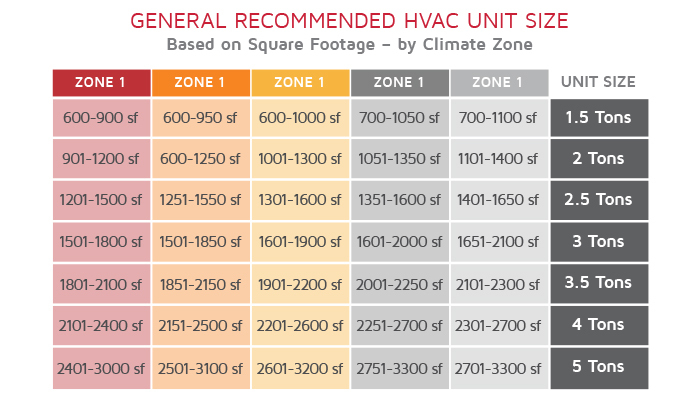
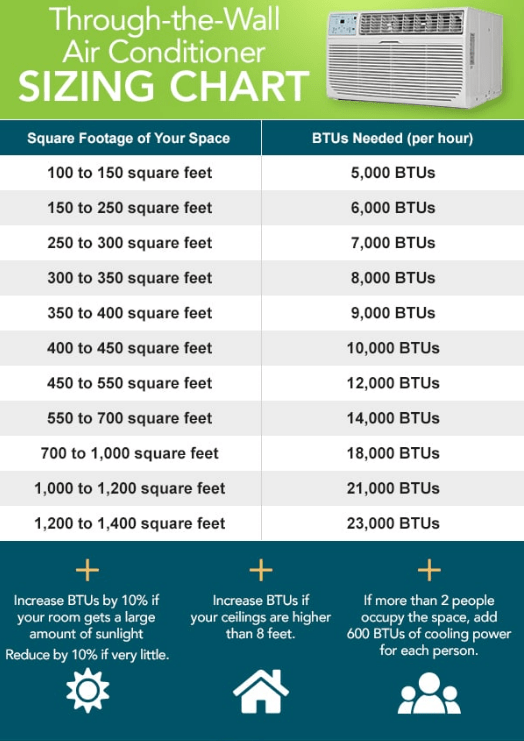
A general rule of thumb is to use 20 BTUs per square foot. So, a 500-square-foot room might need a 10,000 BTU AC. However, this is just a starting point. There are several other things to consider:
- Sun Exposure: Rooms that get a lot of direct sunlight will need more BTUs. Think of that west-facing apartment that feels like a sauna in the afternoons.
- Ceiling Height: Higher ceilings mean a larger volume of air to cool. If you have soaring ceilings, you'll need to increase the BTU recommendation.
- Number of Occupants: More people generate more heat. If you regularly entertain a crowd, factor that in. Consider an extra 600 BTUs per person.
- Insulation: Good insulation keeps the cool air in and the hot air out. Poor insulation means your AC has to work harder.
- Kitchen Appliances: If you're cooling a kitchen, the oven and stove can generate significant heat.
Pro Tip: Many online calculators can help you estimate the appropriate BTU level based on these factors. A quick search for "AC BTU calculator" will yield numerous options. Brands like Carrier and Trane offer great tools.

Beyond BTUs: Energy Efficiency and Other Considerations
Once you've determined the right BTU level, don't forget to consider energy efficiency. Look for AC units with a high SEER (Seasonal Energy Efficiency Ratio) rating. A higher SEER rating means the unit is more energy-efficient, saving you money on your electricity bill in the long run.
Also, think about the type of AC unit you need. Are you cooling a single room? A window unit might suffice. Do you need to cool your entire home? A central air conditioning system is likely the better choice. Split systems and portable units offer a middle ground.

Fun Fact: Did you know that the first modern air conditioning unit was invented in 1902 by Willis Carrier? Talk about a cool invention!
Installation and Maintenance: Keep it Cool for the Long Haul
Proper installation is essential for your AC unit to function efficiently. If you're installing a central air conditioning system, it's best to hire a qualified HVAC technician. For window units, follow the manufacturer's instructions carefully. Don't forget about regular maintenance. Cleaning the filters regularly will improve efficiency and prolong the life of your AC unit. Dirty filters force your AC to work harder, using more energy and potentially leading to breakdowns.
The Bottom Line: Comfort and Conscious Living
Choosing the right size AC unit is about more than just staying cool. It's about comfort, efficiency, and making a conscious choice to reduce your environmental impact. By understanding the factors that influence your cooling needs, you can select an AC unit that keeps you comfortable without breaking the bank or contributing unnecessarily to energy consumption. Think of it as a small step towards a cooler, more sustainable future. So, next time you're feeling that summer heat, take a moment to consider whether your AC is truly the right fit. You might be surprised at the difference it makes.