
How Big Of A Whole Home Generator Do I Need
Ever wonder how those folks manage to keep their Christmas lights twinkling during a power outage while you're huddled in the dark, contemplating the existential dread of a lukewarm coffee? The secret, my friend, often lies in a little box of backup brilliance: the whole home generator. But how do you choose the right size? Don't worry, we're not going to drown you in technical jargon. We're here to help you avoid accidentally turning your home into a miniature version of the Hoover Dam.
Think of it like ordering pizza. You wouldn't order a family-sized pizza for just yourself, would you? (Okay, maybe you would. No judgement here!) But generally, you choose a size that matches your appetite, and in this case, your home's electrical "appetite."
The "Essentials Only" Approach: The Minimalist Meal
Let's say you just want the bare necessities covered during a power outage. We're talking about keeping the fridge humming, a few lights on, and maybe the TV so you can binge-watch your favorite show instead of staring at the ceiling. This is the "essentials only" approach. Imagine yourself as a culinary minimalist, only needing the essential ingredients for a simple, satisfying meal.
Must Read
To figure out the generator size for this scenario, you'll need to estimate the wattage of these key appliances. Most appliances have a sticker or label that lists their wattage. Write them down! Then, add them all up. Remember to check your refrigerator and freezer! A small generator, around 5,000 to 7,500 watts, might be sufficient for this minimalist lifestyle. However, be aware that some appliances, like air conditioners and well pumps, require a surge of power to start. So you'll need to take into account their surge watts, not just their running watts.
The "Keep Everything Running" Approach: The Thanksgiving Feast
Now, let's picture the other extreme: you want to keep everything running as if nothing ever happened. We're talking air conditioning, all the lights, the oven, the dishwasher, the hot tub...the works! This is the Thanksgiving feast of generator power, where every electrical appliance is invited to the party.
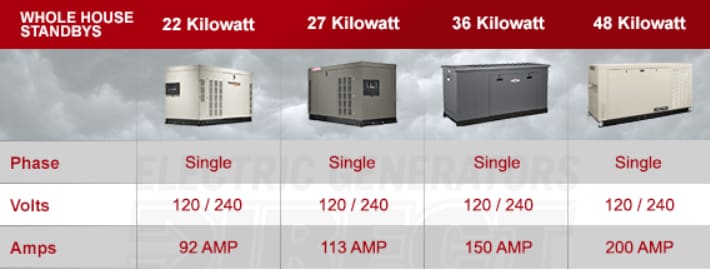
For this, you're going to need a much larger generator, possibly 15,000 watts or more. The process is the same: estimate the wattage of all your appliances, factor in surge watts, and add them up. But remember, going overboard can be a waste of money. A too-large generator is less efficient and can be a real gas guzzler.
The "Goldilocks" Approach: Just Right
Most of us fall somewhere in between these two extremes. We want to keep the essentials running, but we also want a few creature comforts. This is the "Goldilocks" approach – not too much, not too little, but just right.
The best way to determine your ideal generator size is to make a list of everything you want to power during an outage. Then, estimate the wattage of each item and add them up, remembering to account for surge watts. You can use online wattage calculators or consult with an electrician to get a more accurate estimate.
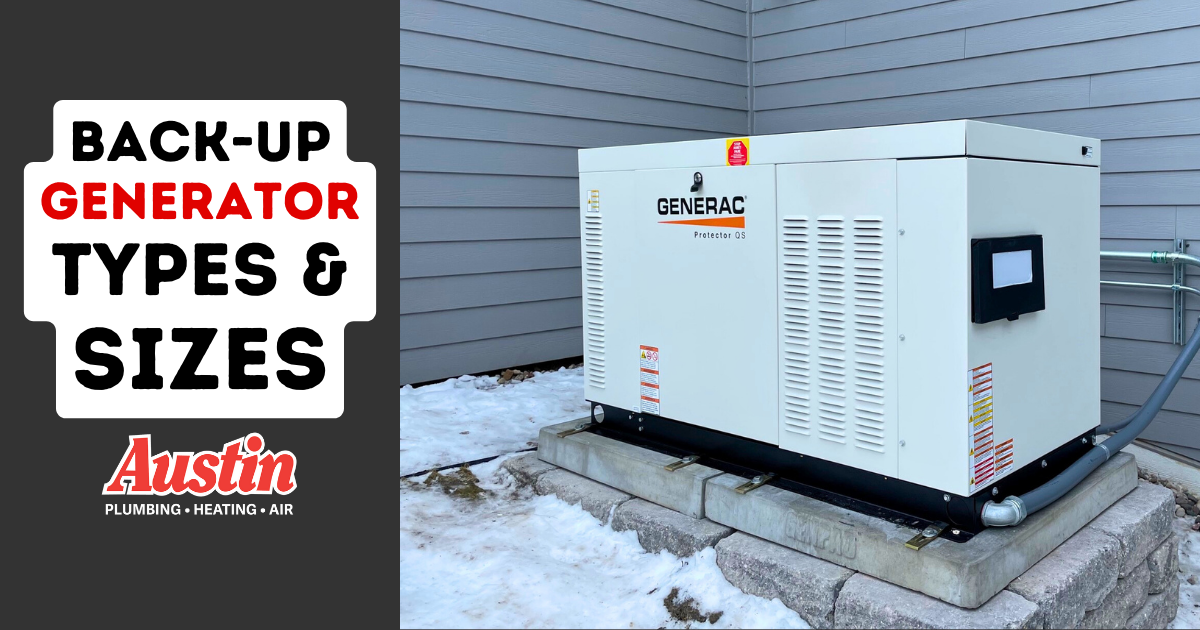
Here's a funny, but true, story: My neighbor, Bob, went all out and got a massive generator, convinced he needed to power his entire street. Turns out, he was only running his TV and charging his phone. He basically had a backup power plant in his backyard, just to watch cat videos. Don't be like Bob!
Important Considerations: More Than Just Watts
While wattage is the key factor in determining generator size, there are a few other things to keep in mind. Consider the fuel source. Generators can run on gasoline, propane, or natural gas. Each has its own advantages and disadvantages in terms of cost, availability, and ease of use.
Also, think about automatic transfer switches. These devices automatically switch your home's power source to the generator when the grid goes down, eliminating the need to manually plug in appliances and preventing back feeding into the power grid, which is a serious safety hazard. Safety first!
Finally, don't forget about maintenance. Generators need regular maintenance to keep them running smoothly. This includes checking the oil, changing the filters, and cleaning the spark plugs. Neglecting maintenance can lead to costly repairs or even a complete generator failure.
Choosing the right whole home generator can seem daunting, but it doesn't have to be. By taking the time to assess your power needs and considering your options, you can find a generator that will keep your home running smoothly during even the most frustrating power outages. And you can avoid becoming the next "Bob" with an unnecessarily large and expensive generator.
