
How Big An Ac Unit Do I Need

Hey there, fellow human! Ever found yourself dreaming of that perfectly chilled sanctuary during a scorching summer day? You know, the one where the air is crisp, the humidity is gone, and your brain isn’t slowly melting into a puddle? Ah, the sweet promise of air conditioning!
But then comes the big question, looming larger than your sweat glands on a July afternoon: “How big an AC unit do I actually need?” It’s a super common query, and trust me, it’s not as simple as just buying the biggest, baddest unit you can find. Nope, that’s like buying an SUV to drive across your living room – overkill, inefficient, and probably a bit silly.
Why Sizing Matters (It's Not a One-Size-Fits-All Deal!)
Think of your AC unit as the Goldilocks of home comfort: you don't want it too big, and you certainly don't want it too small. You want it just right. And getting it just right is key to saving money, staying comfy, and having a happy, long-lived AC unit.
Must Read
Too big? Oh, the horror!
- It’ll blast out cold air super fast, then shut off. This is called short-cycling. It's like a sprinter doing a 10-meter dash over and over – inefficient and tiring.
- Because it doesn't run long enough, it won't have time to properly remove humidity from your home. Hello, clammy, sticky, uncomfortable cave feeling! (Ew, right?)
- It'll wear out faster and cost you more in energy bills because it’s constantly turning on and off.
Too small? Also not ideal!
- It’ll run and run and run and… well, you get the picture. It'll struggle to ever reach your desired temperature, especially on the hottest days.
- Your energy bills will skyrocket because it’s perpetually working overtime, like a tiny hamster on a giant wheel.
- It’ll be under constant stress, leading to breakdowns and a much shorter lifespan. Nobody wants that!
BTUs and Tons: The Secret Language of AC Power
Before we dive into what influences sizing, let's quickly decode how AC power is measured. You'll often hear about BTUs (British Thermal Units) or Tons. Basically, a BTU is a measure of how much heat an AC unit can remove from your home in an hour.

And a "ton" of cooling power? It’s not about weight! One ton of cooling capacity equals 12,000 BTUs per hour. So, a 3-ton unit is 36,000 BTUs. Now you know! You’re practically an HVAC expert already. (Just kidding, don’t quit your day job… yet.)
What Factors Into Your Perfect AC Size?
Alright, so what goes into figuring out the magic number? It’s more than just square footage, though that’s definitely a big piece of the puzzle. Here’s a peek behind the curtain:
1. Square Footage: This is your starting point. Generally, the bigger the space, the more cooling power you need. Makes sense, right?
2. Your Climate: Living in scorching Phoenix versus chilly Seattle makes a massive difference. Duh! A house in Florida needs more oomph than one in Vermont.

3. Insulation & Window Quality: Is your home a cozy, sealed fortress, or does it leak air like a sieve? Good insulation and modern, energy-efficient windows keep the cool air in and the hot air out, meaning you might need a smaller unit. Old, drafty windows are basically giant heat magnets!
4. Ceiling Height: Taller ceilings mean more air volume to cool, so you’ll need a bit more power.
5. Number of Windows & Their Orientation: Windows facing west often get hammered by the afternoon sun, bringing in a ton of heat. More windows, especially sun-facing ones, mean more heat gain.
6. Home Layout: Open-plan living versus lots of small, separate rooms can impact airflow and cooling needs.

7. Heat-Generating Appliances & People: Believe it or not, your TV, computers, and even your lovely family (bless their warm hearts!) all generate heat. A busy kitchen can also be a little heat factory.
8. Ductwork Condition: Leaky, poorly insulated ducts can lose a lot of cool air before it even reaches your rooms. It’s like trying to drink water through a straw with holes in it.
The "Rule of Thumb" (and why it's just a thumb, not a whole hand)
You might hear a general guideline like "you need about 20 BTUs per square foot." So, a 1,500 sq ft house would roughly need 30,000 BTUs (a 2.5-ton unit). This is a decent starting point for a very average house in a moderate climate.
But here’s the big, bold, flashing caveat: this is just a rough estimate! It doesn't account for your specific home’s quirks and charm (or lack thereof, if we're talking insulation!).
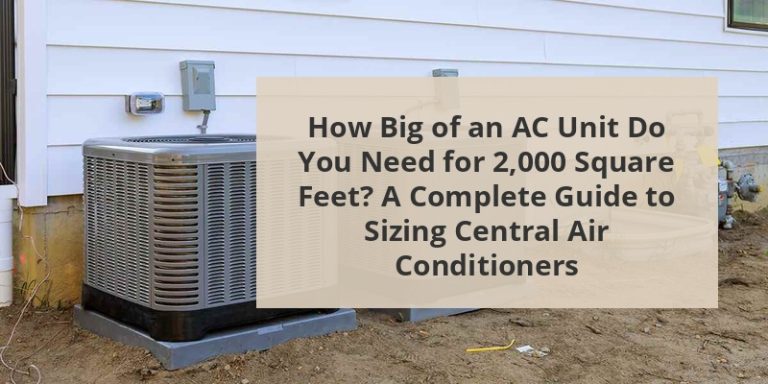
The Real MVP: The Professional Load Calculation
So, how do you get it truly, perfectly, blissfully "just right"? You call in the pros! An HVAC technician will perform something called a Manual J load calculation. Sounds fancy, right? It basically means they meticulously measure, analyze, and crunch numbers based on all those factors we just talked about (and more!).
They’ll look at your insulation, window types, sun exposure, ceiling heights, local climate data, and even the number of people living in your home. It’s science, baby, ensuring your unit is perfectly matched to your home’s unique cooling needs. Think of it as a custom-tailored suit for your house.
A Breath of Fresh (and Cool) Air
Choosing the right AC unit size might seem daunting, but it doesn’t have to be a sweat-inducing puzzle. The main takeaway? Don't guess! While it's fun to understand the basics, leave the precise measuring to the experts.
Investing a little time upfront to get a professional load calculation will save you a ton of headaches (and money!) down the road. You’ll enjoy optimal comfort, lower energy bills, and a long-lasting AC unit. So go ahead, dream those cool dreams! With the right size unit, your perfectly chilled sanctuary is well within reach. You got this, and soon, your home will too!