
How Big A Water Heater Do I Need
Picture this: It's 6 AM, a frosty Monday morning, and you've just dragged yourself out of bed. You stumble into the shower, anticipating that glorious, steaming cascade that will finally wake you up and make you feel human again. You turn the knob... and for a blissful minute or two, it’s everything you dreamed of. Then, boom. The water goes from pleasantly warm to "Arctic expedition" levels of cold in a nanosecond. You jump back, shriek (just a little), and realize your morning zen has been utterly annihilated. Been there? Oh, I know you have.
That, my friends, is the universe's not-so-subtle way of telling you that your water heater might just be having an existential crisis. Or, more likely, it's just not big enough for the job. And trust me, nobody wants a cold shower surprise, especially when you're still half-asleep.
So, you’re thinking, "Okay, point taken. But how big do I really need it to be?" Excellent question! Because it’s not as simple as just picking a random number of gallons off the shelf. If only!
Must Read
Why Size Matters (No, Not That Kind of Size)
You'd think a water heater is just a big tank of hot water, right? And it is! But the "big" part is where the magic (or misery) happens. Getting the right size means the difference between luxurious, uninterrupted hot water and those dreaded cold blasts. It's about ensuring your daily routines don't turn into a frantic race against the thermostat.
The goal here is to match your household's hot water demand with your water heater's hot water supply. Sounds simple, but there are a few delicious little variables involved. Let's dig in!
Who Lives There? (And What Are Their Shower Habits?)
This is probably the most obvious starting point, but often overlooked in its nuances.
- Single person or couple: You might get away with a smaller unit, say a 30-40 gallon tank. Less demand, less drama.
- Family of 3-4: This is where things start to ramp up. Multiple showers, maybe a dishwasher running, laundry – you’re looking more at a 40-50 gallon tank.
- Larger families (5+ people): You’re definitely in the 50-80 gallon territory. Especially if everyone showers in the morning or you have teenagers who seem to think hot water is an endless resource (bless their hearts).
But wait, there's more! It's not just about the number of bodies. It's about their habits.
Do you have a marathon showerer in the house? (We all know one, maybe we are one.) Do you run the dishwasher and the washing machine at the same time as someone’s taking a shower? All these things add up to peak hot water demand.

The Magical First Hour Rating (FHR)
Okay, if there’s one thing you take away from this little chat, let it be this: don't just look at the gallon capacity. Seriously! While a 50-gallon tank sounds like it holds 50 gallons of hot water (which it does), it’s not always indicative of how much hot water it can deliver in that crucial first hour of peak demand.
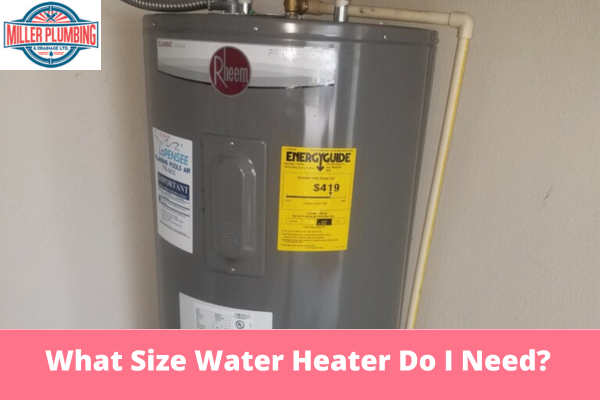
Enter the First Hour Rating (FHR). This glorious number, usually found on the energy guide label, tells you how many gallons of hot water the heater can produce in an hour, starting with a full tank. It takes into account both the tank size and its recovery rate (how quickly it reheats water).
![What Size Water Heater Do You Need? [Quick Answer]](https://homecaprice.com/wp-content/uploads/What-Size-Water-Heater-Do-You-Need_-Quick-Answer_URL.jpg)
So, a 40-gallon gas heater might have a higher FHR than a 50-gallon electric heater, simply because gas heaters typically have a much faster recovery rate. Mind blown, right?
To figure out your ideal FHR, estimate your household’s peak hour hot water usage. Think about:
- One shower: ~10 gallons
- Dishwasher: ~14 gallons
- Washing machine (hot cycle): ~20 gallons
- Hand washing/shaving: ~2 gallons
Add up the things that might happen at the same time. If two showers run concurrently with the dishwasher, that's roughly 10+10+14 = 34 gallons. You'd want an FHR comfortably above that. Always aim a little high if you can.
Tank vs. Tankless: A Quick Detour
While we're mostly talking about traditional tank water heaters here, it's worth a tiny mention that tankless water heaters offer "on-demand" hot water, meaning they heat water as it flows through, so you technically never run out. They don't have a gallon capacity in the same way, but they're rated by gallons per minute (GPM). If you're constantly running out of hot water with a properly sized tank, a tankless unit might be worth exploring. But that's a whole other article, my friend!
The Takeaway: Don't Guess, Measure!
Ultimately, figuring out the right size for your water heater isn't a dark art. It’s about understanding your specific hot water needs.
Here’s your quick-and-dirty checklist:
- Count the people.
- Consider their (and your) hot water habits.
- Estimate your peak hour hot water demand.
- Look for the First Hour Rating (FHR) on potential units.
Don't be afraid to consult with a plumbing professional. They can help you calculate your FHR needs more precisely, considering your home's unique layout and existing plumbing. After all, a little planning now means a lot less shivering later. And trust me, your future self (and your guests!) will thank you for that consistent, glorious stream of hot water. Happy showering, folks!