How Are Tropical Storms And Hurricanes Named
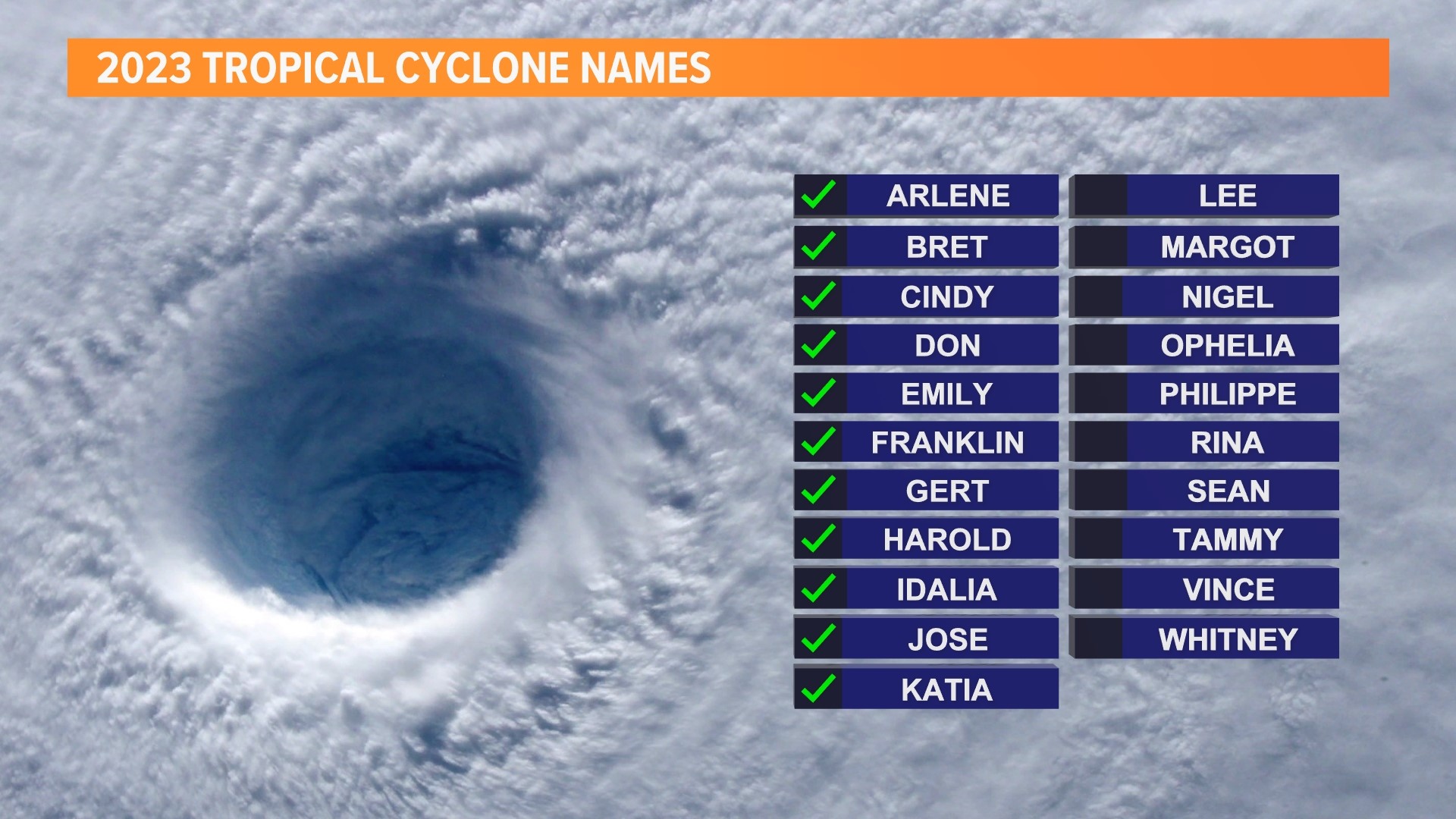
Ever wondered how those swirling, blustery storms get their names? Like, who decides that a hurricane should be called "Idalia" or a tropical storm "Harold"? It's not just some random person pulling names out of a hat (although, wouldn't that be a fun job?). There's actually a pretty interesting and organized system behind it all!
The Name Game: Why Bother?
Okay, first things first: why do we even name these storms? Imagine trying to warn everyone about "that really big storm that's heading towards Florida, the one... you know... the swirly one." Kind of vague, right? Naming storms makes it much easier for meteorologists, emergency responders, and the general public to track them, talk about them, and stay informed. It's like giving your pet a name – "Fluffy" is way easier to yell than "Hey, you, fuzzy creature!"
Think about it. When you hear "Hurricane Katrina," you instantly have a picture in your mind, a memory, and a sense of its impact. Names give these powerful forces of nature an identity, making them more relatable and, hopefully, encouraging people to take warnings seriously.
Must Read
The List: It's Not as Random as You Think
So, who does decide the names? The World Meteorological Organization (WMO) is the mastermind behind the list. They maintain six lists of names, rotating them every six years. This means the list used in 2024 will be used again in 2030. Pretty efficient, huh?
Each list has 21 names, one for each letter of the alphabet (skipping Q, U, X, Y, and Z because, well, those are tough!). The names alternate between male and female, which is a relatively recent change. Back in the old days (before 1979!), storms were only given female names. Can you imagine a hurricane named "Bobette"? Somehow, it doesn't quite capture the same feeling of dread as "Bob."

If, for some reason, we run through all 21 names on a list in a single year (which has happened a few times!), we start using names from a supplemental list. This supplemental list uses the Greek alphabet—Alpha, Beta, Gamma, and so on. Remember the 2020 hurricane season? It was so active that we got all the way to Hurricane Iota!
The Hall of Shame: Retired Names
Now, here's where things get a little serious. If a hurricane is particularly devastating and causes widespread damage and loss of life, its name is retired. This is a sign of respect for those who suffered, and it prevents the name from being used again. Can you imagine how insensitive it would be to name a future storm "Katrina" after all the devastation caused by the original? It's like naming your kid after someone who just robbed a bank – bad vibes all around.

Retired names are permanently removed from the rotation, and a new name is chosen to replace them. Some famous retirees include Katrina, Harvey, Maria, and Sandy. These names are forever etched in our memories as reminders of the incredible power of nature and the importance of preparedness.
Why Should You Care? (Besides the Obvious)
Okay, so maybe you're not a meteorologist. Why should you care about how hurricanes are named? Because staying informed about weather patterns, understanding the potential risks, and being prepared for emergencies is everyone's responsibility. Knowing a storm's name helps you track its progress, understand the warnings being issued, and make informed decisions about your safety and the safety of your loved ones.
Think of it like this: knowing the name of the villain in a movie helps you understand the plot and anticipate their next move. In the same way, knowing the name of a storm helps you anticipate its path and prepare for its impact. Plus, it's just a fascinating piece of trivia that you can whip out at your next dinner party!
So, the next time you hear a storm's name on the news, remember that it's more than just a label. It's a tool for communication, a symbol of a powerful force, and a reminder of the importance of staying informed and prepared. Now you can impress your friends with your newfound hurricane-naming knowledge. You're welcome!