How Are Solar Panels Good For The Environment
Ever look up at the roof of a house and see those sleek, dark panels glinting in the sun? Or maybe you’ve spotted a sprawling solar farm while driving down the highway? These are solar panels, and they’re a big part of the conversation about creating a cleaner, healthier planet. But have you ever wondered exactly how they work and why they're considered so good for the environment? It's a fascinating topic, and the more you understand, the more you can appreciate the sun's power!
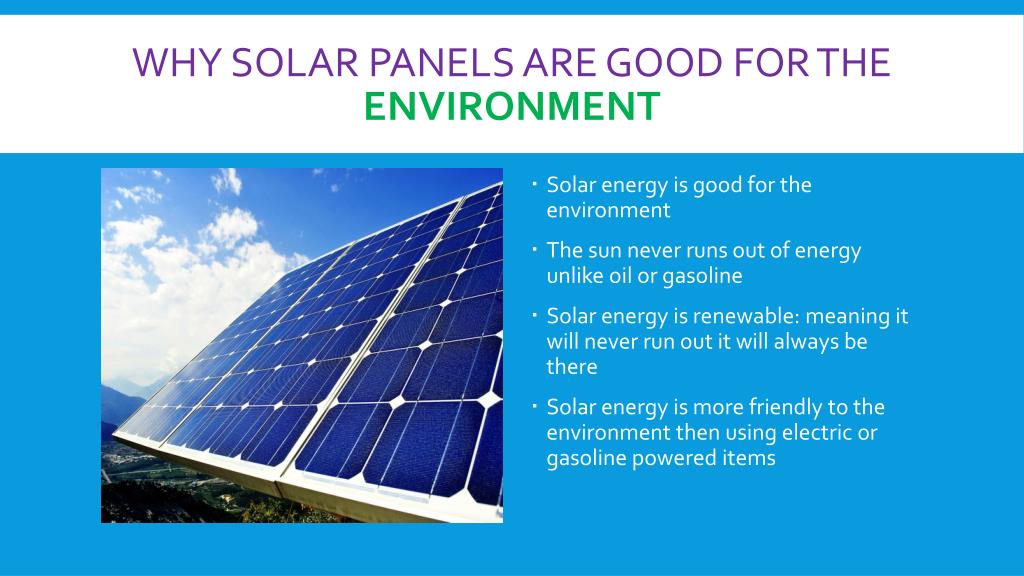
At their core, solar panels (also called photovoltaic or PV panels) are designed to convert sunlight directly into electricity. Think of them like tiny energy factories sitting right on your roof! Sunlight, which is a form of electromagnetic radiation, is made up of photons. These photons strike the solar panel, dislodging electrons in the silicon material the panel is made of. This flow of electrons creates an electrical current, which we can then use to power our homes, businesses, and even entire cities. The purpose of solar panels is simple: to harness a readily available, renewable resource – the sun – and transform it into a usable form of energy.
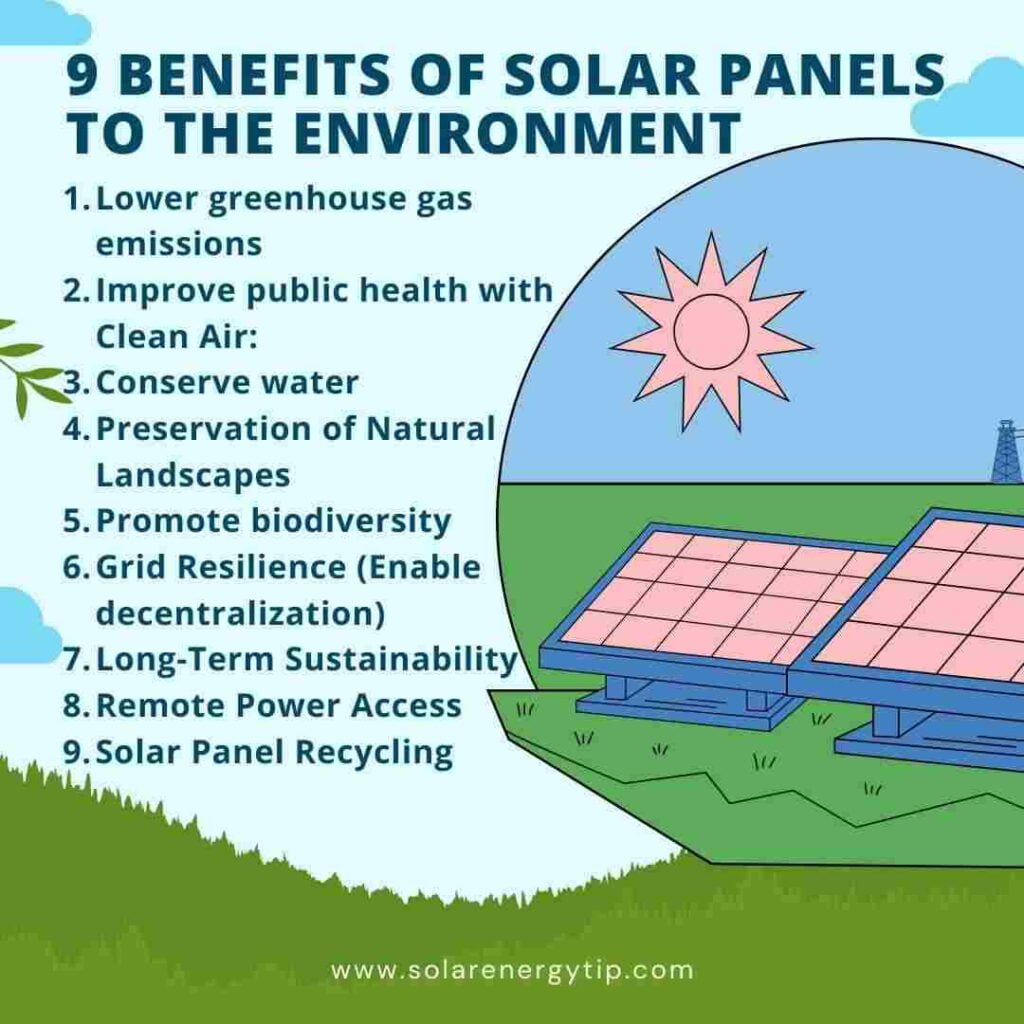
The benefits of solar energy are numerous. First and foremost, solar panels produce clean energy. Unlike fossil fuels (coal, oil, and natural gas), which release harmful greenhouse gases into the atmosphere when burned, solar panels generate electricity with virtually no pollution. This is crucial for combating climate change and reducing our carbon footprint. By reducing our reliance on fossil fuels, we can minimize air and water pollution, protecting our ecosystems and improving public health.
Must Read
Beyond the environmental advantages, solar energy also offers economic benefits. As solar technology becomes more affordable, homeowners and businesses can save money on their electricity bills by generating their own power. In some cases, they can even sell excess electricity back to the grid, earning credits and further reducing their costs. This can lead to greater energy independence and a more stable energy supply, less vulnerable to price fluctuations of traditional fuel sources.
Solar energy is also making its way into education. Schools are installing solar panels to power their buildings and integrate renewable energy into their curriculum. Students can learn about the science behind solar power, monitor energy production, and understand the importance of sustainability. In daily life, you might see solar panels powering streetlights, charging electric vehicles, or even integrated into backpacks and portable chargers. These applications demonstrate the versatility of solar technology and its potential to power a wide range of devices and infrastructure.
Want to explore solar energy further? There are many simple ways to do so! Visit a local science museum or science center that has exhibits on renewable energy. Check out online resources and videos that explain the technology in detail. You can even experiment with small, inexpensive solar panels to power a small fan or charge your phone. Consider the energy footprint of your own home and investigate ways to reduce your energy consumption. The more you learn about solar energy, the more you’ll understand its potential to create a brighter, cleaner future for everyone.