How Are Resources Used In Sustainable Development

Ever stopped to think about where everything around you comes from? From the clothes you wear to the phone you’re reading this on, it all starts with natural resources. But our planet's resources aren't endless. That's where sustainable development comes in, and it's way more interesting than it sounds! It's all about using resources in a way that meets our needs today, without compromising the ability of future generations to meet their own needs.
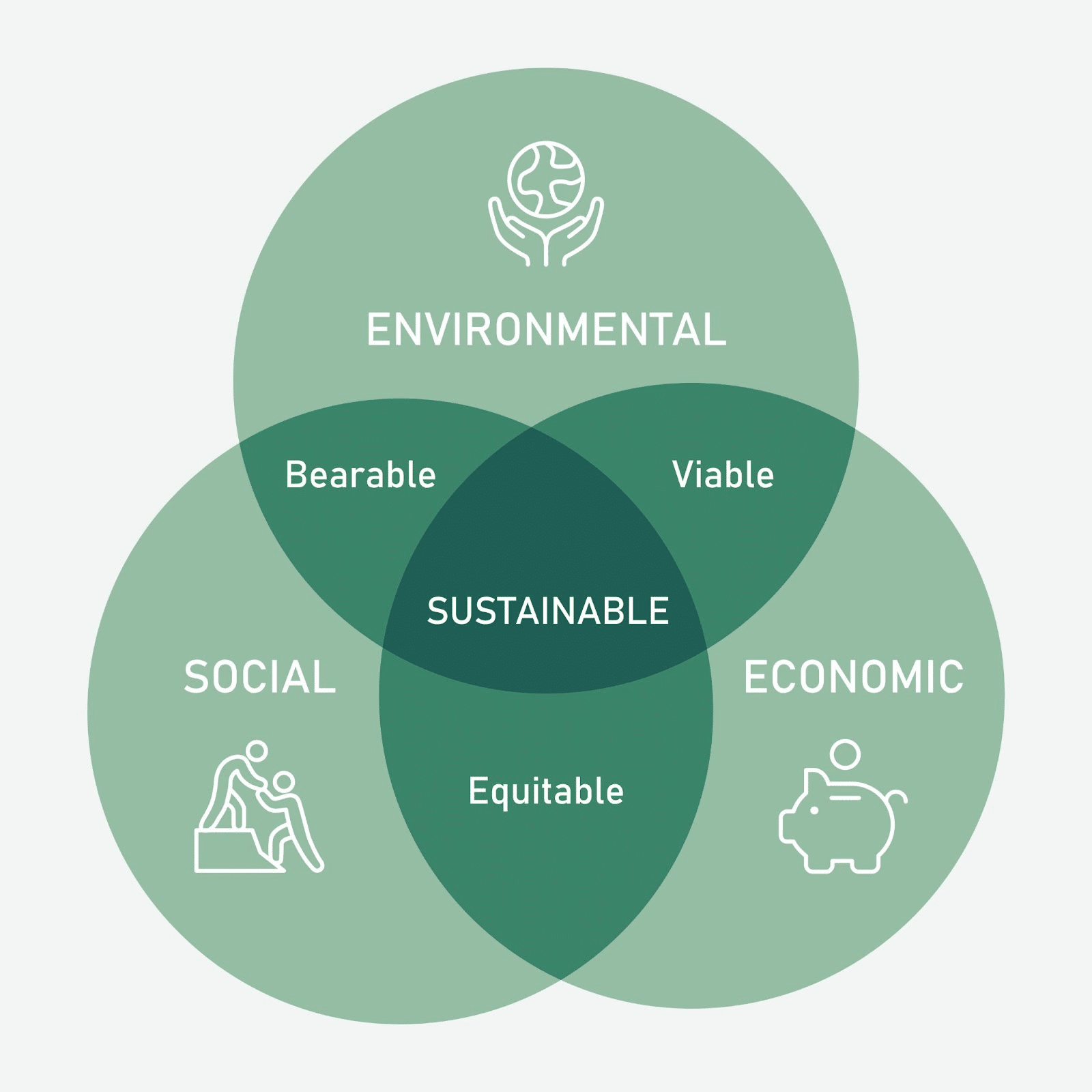
Think of it like this: Imagine a jar of cookies. If you eat them all at once, you’ll have no cookies left for tomorrow. Sustainable development is about eating just enough cookies each day so that there are still cookies left for next week, next month, and even next year! The purpose of sustainable development is to create a healthier, more equitable world for everyone, now and in the future. Its benefits are huge: cleaner air and water, thriving ecosystems, more stable economies, and a better quality of life for all. It aims to strike a balance between economic growth, social equity, and environmental protection.
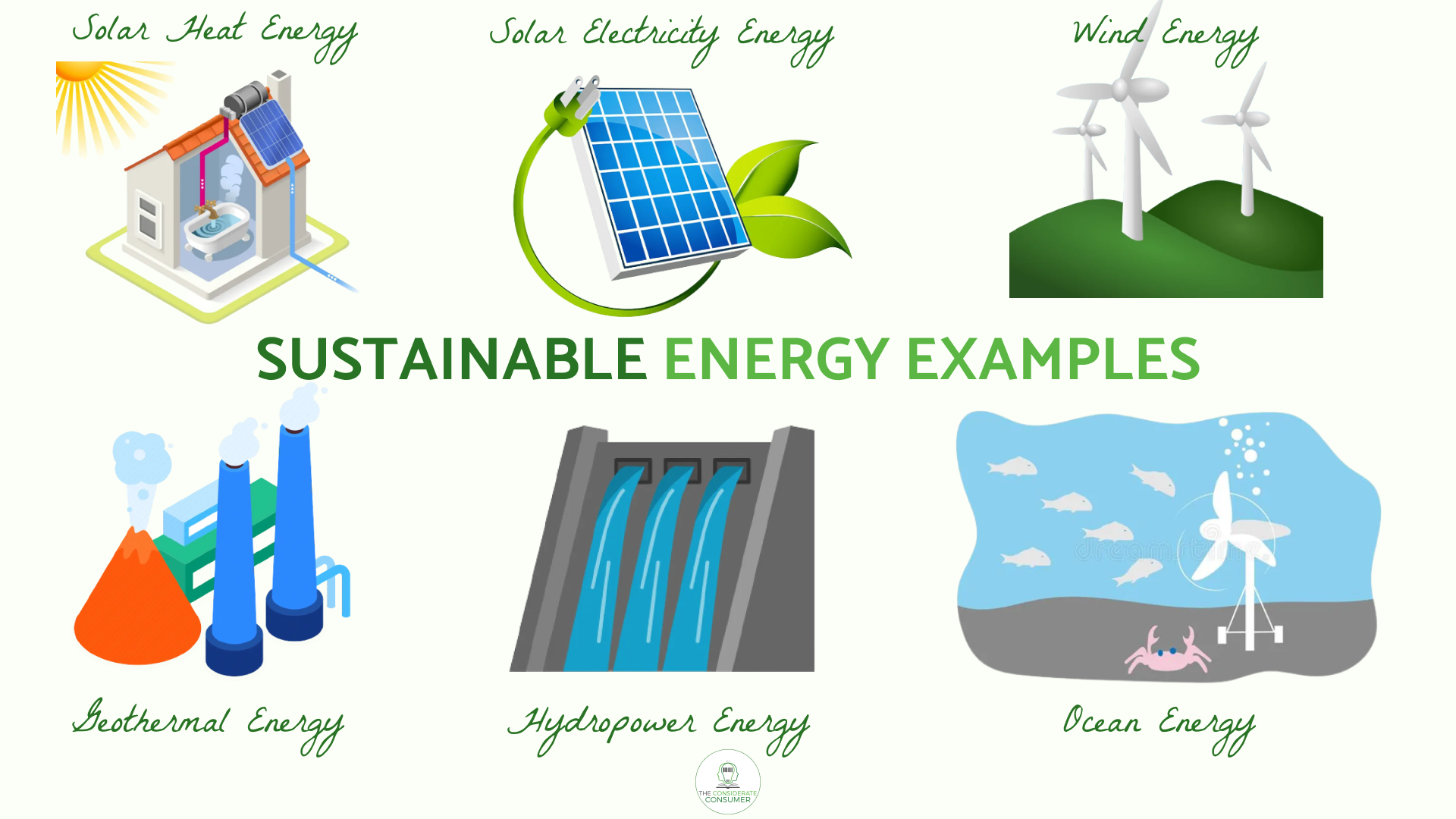
So, how are resources actually used in sustainable development? Well, it's all about being smart and efficient. For example, in education, schools are teaching kids about the importance of reducing waste, conserving energy, and respecting the environment. Students are learning about renewable energy sources like solar and wind power and how to implement these in their own communities. They might even be involved in school gardening projects, learning about sustainable agriculture firsthand.
Must Read
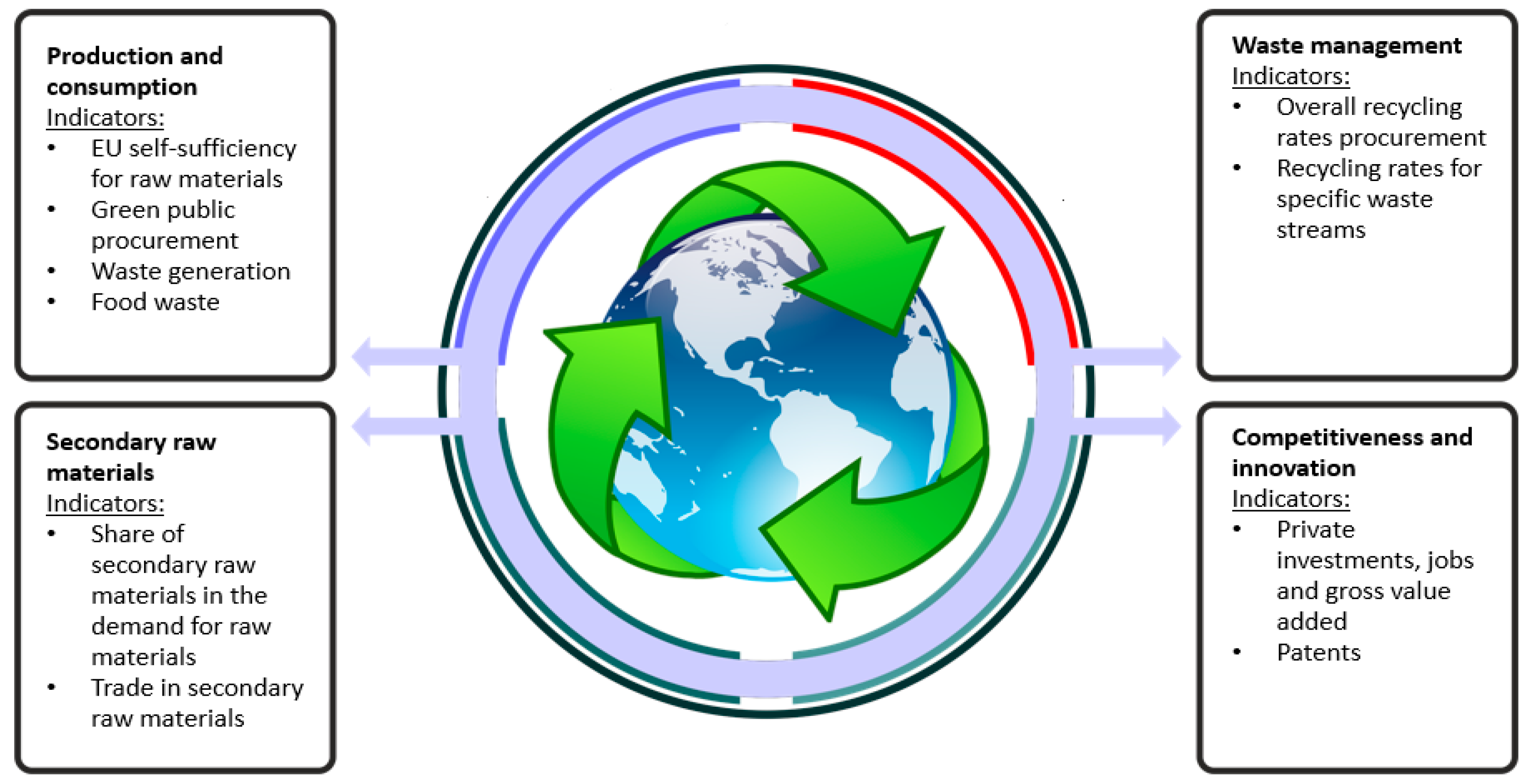
In our daily lives, we can see sustainable resource use everywhere. Think about recycling programs – they help conserve resources by turning waste into new products. Companies are also designing products that are more durable, repairable, and recyclable, reducing the need to constantly buy new things. Another common example is using public transportation, cycling, or walking instead of driving alone in a car. This reduces our reliance on fossil fuels and lowers air pollution. Even choosing locally sourced food supports sustainable agriculture and reduces the carbon footprint associated with transporting goods across long distances.
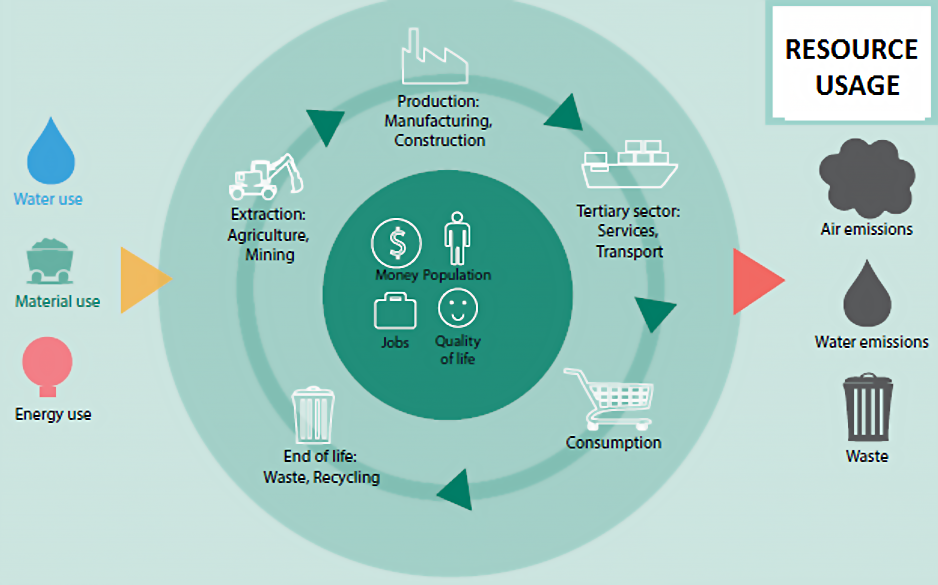
Here are some practical tips to explore sustainable resource use: Start by paying attention to your own consumption habits. Ask yourself: "Where does this come from? Where will it go when I'm done with it?" Reduce your waste by using reusable bags, water bottles, and coffee cups. Choose products with minimal packaging and look for items made from recycled materials. Support companies that prioritize sustainability and ethical practices. You can also explore online resources and educational websites dedicated to sustainable development. Organizations like the United Nations have tons of information available to everyone.
Finally, remember that even small changes can make a big difference. By being mindful of how we use resources and by making more sustainable choices, we can all contribute to a healthier planet for ourselves and for generations to come. It's not about perfection; it's about progress and making a conscious effort to live more sustainably each day. So, go ahead, explore the fascinating world of sustainable development – it’s a journey worth taking!