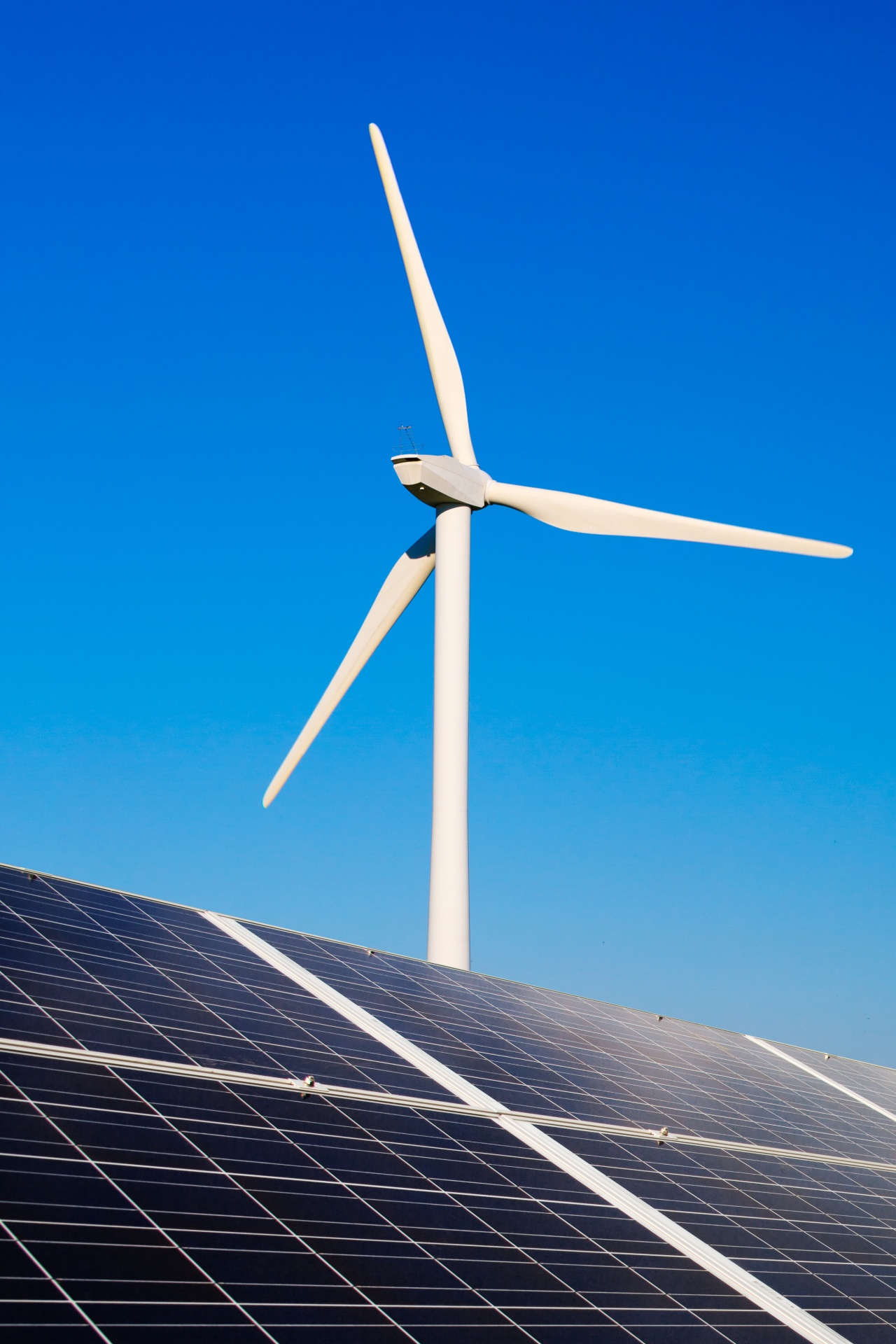
How Are Renewable And Nonrenewable Resources Different
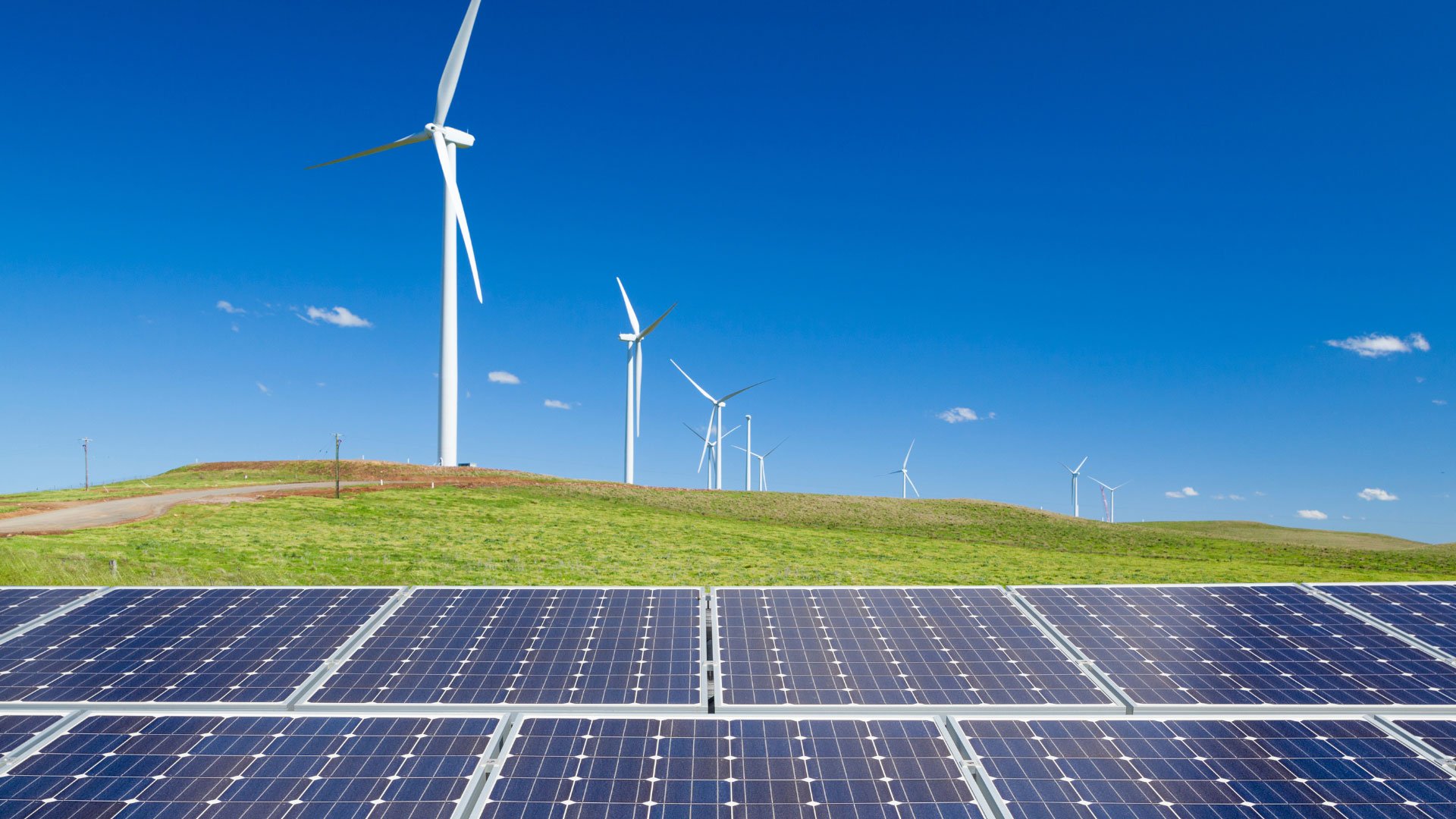
Okay, let's talk resources. Specifically, renewable versus nonrenewable resources. It's a tale as old as time (or at least, as old as the Industrial Revolution).
The Great Resource Showdown: Renewables vs. Nonrenewables
Imagine a buffet. A really, really, ridiculously large buffet. On one side, you have the renewable section. Think all-you-can-eat fruits, veggies, sunshine smoothies, and maybe some suspiciously green-looking energy bars fueled by wind. The other side? The nonrenewable zone. This is where the rich, chocolatey, fudge-laden goodies live. Coal cakes! Oil eclairs! Nuclear nougat! Decadent, yes. Sustainable? Mmm, not so much.
That, in essence, is the difference. Renewable resources are like that fruit bowl that magically refills itself. The sun shines daily. Wind blows (especially when you've just styled your hair perfectly). Water flows (mostly). And trees? Well, they grow (eventually). They keep coming back for more, if we treat them right.
Must Read
Nonrenewable resources, however, are a one-and-done deal. Once you've devoured that coal cake, poof! It's gone. It’s a finite supply. Sure, more could be made, theoretically, but it takes, like, millions of years and a whole lot of pressure. Ain't nobody got time for that!
Let's break it down further.
Renewable Resources: The Happy-Go-Lucky Bunch
These guys are the eco-friendly superstars. We're talking:
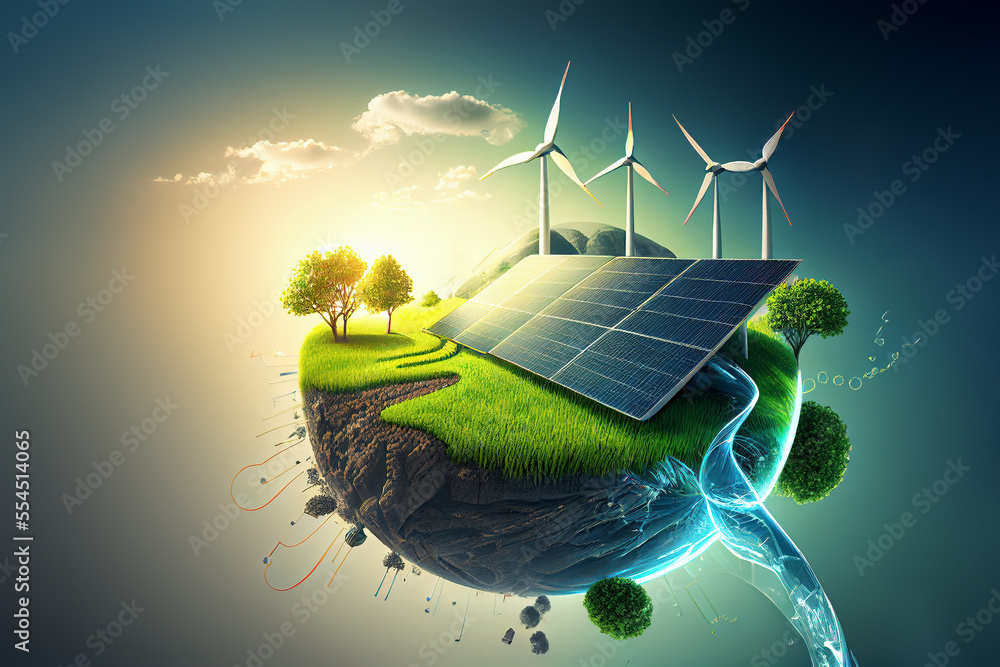
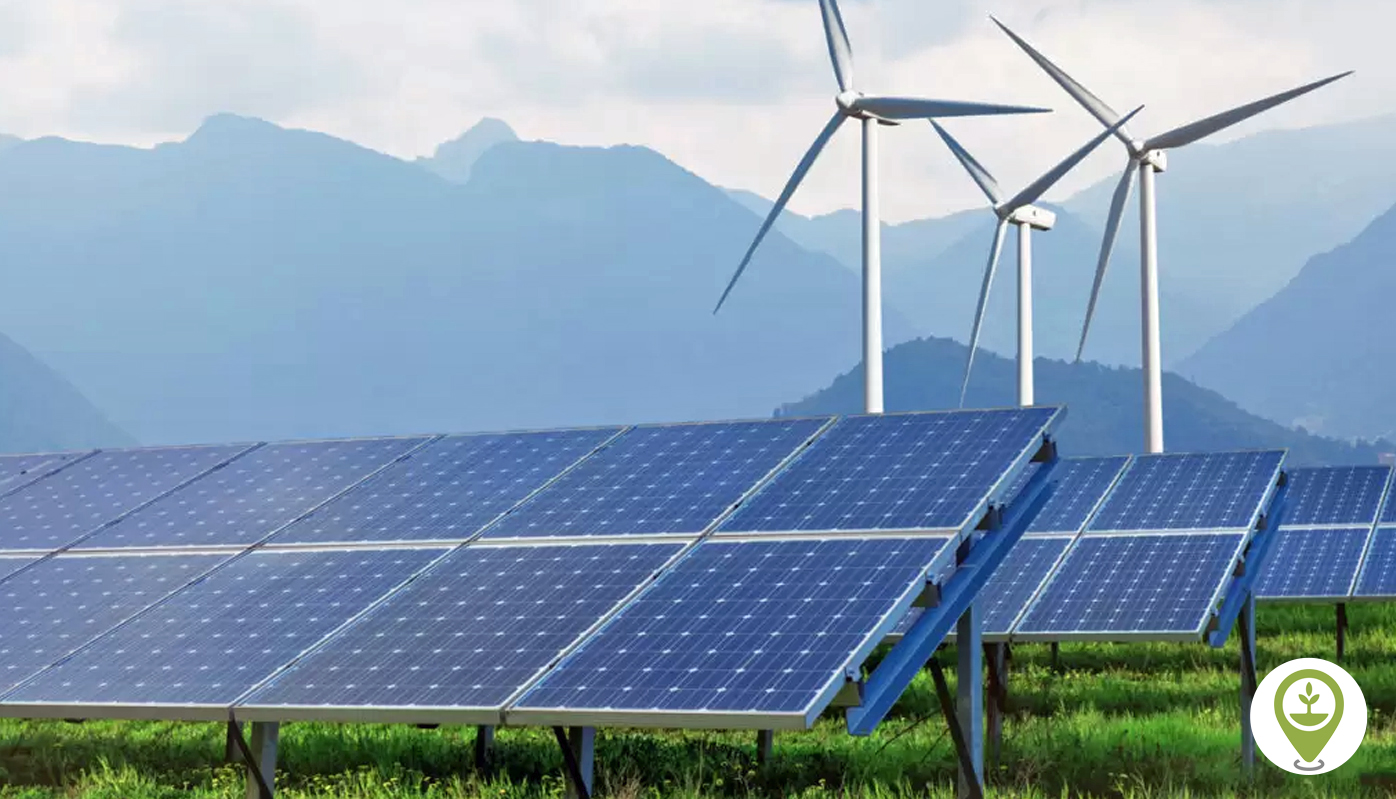
- Solar power: Our big, bright, and slightly judgmental friend in the sky. Provides free energy. Just requires some fancy (and expensive) panels to capture it.
- Wind power: Those majestic windmills that look like they belong in a children's storybook. Turns wind into electricity. Can be a little noisy, though. (Unpopular opinion: They're kinda pretty.)
- Hydropower: Waterfalls doing double duty! Harnessing the power of moving water. Dams aren't always the best for local ecosystems, though...
- Geothermal energy: Tapping into the Earth's internal heat. Like sticking a giant straw into a hot water bottle in the center of the planet. Pretty cool (or hot, actually).
- Biomass: Burning organic matter (like wood, crops, and even… well, you know). Less glamorous than solar panels, but it works. Just gotta make sure we're replanting trees and not causing too much pollution.
The beauty of these resources is that they replenish. The sun will rise again tomorrow (probably). The wind will keep howling (especially when you're trying to have a picnic). The water will keep flowing (unless there's a drought, which is another story entirely).
Nonrenewable Resources: The Finite and Fabulous (but Fading) Few
These are the resources we've been relying on for, well, pretty much everything for the last century or so. We're talking:
- Fossil fuels (coal, oil, and natural gas): Dead dinosaurs and plants, squished and cooked over millions of years. Burn them for energy! Also, release a whole lot of carbon dioxide into the atmosphere. Oops.
- Nuclear energy: Splitting atoms to release energy. Powerful, but also potentially dangerous. Requires careful management and waste disposal.
The problem with these resources? There's only so much of them. Once they're gone, they're gone (at least in any timeframe that matters to us). And using them often comes with some pretty significant environmental consequences.
So, What's the Big Deal?
Well, the big deal is that we're running out of the good stuff (the nonrenewable stuff). And burning it is messing up the planet (also, the nonrenewable stuff). So, it's like a double whammy of bad news.
That's why there's all this talk about transitioning to renewable energy. It's not just about being "green" or "eco-friendly" (although those are nice bonuses). It's about ensuring that we have energy to power our lives in the future. It’s the difference between having that delicious buffet forever, and watching it slowly disappear.
Unpopular opinion time: I actually like the taste of those suspiciously green wind-powered energy bars. Okay, maybe I'm exaggerating...but you get the point. We need to embrace the future of energy before the past runs out of steam. (Pun intended.)