How Are Fossil Fuels Used To Make Electricity
Ever flipped a light switch and wondered where that instant light comes from? It's like magic, right? Well, behind that magic often lies a process involving... fossil fuels! Now, before you think "boring science lesson," hear me out. Understanding how fossil fuels help power our lives is surprisingly fascinating and super relevant in today's world. Plus, knowing the basics lets you join the conversation about energy and the future with a bit more confidence. So, let's dive in and unravel this energy-generating mystery!
The main purpose of using fossil fuels to generate electricity is, quite simply, to provide us with a readily available and (historically) affordable source of power. Electricity powers our homes, charges our phones, runs our hospitals, and fuels industries. Basically, modern life as we know it relies heavily on it. For a long time, fossil fuels have been a reliable way to meet this immense energy demand. They've allowed us to build thriving economies and develop technologies that improve our lives.
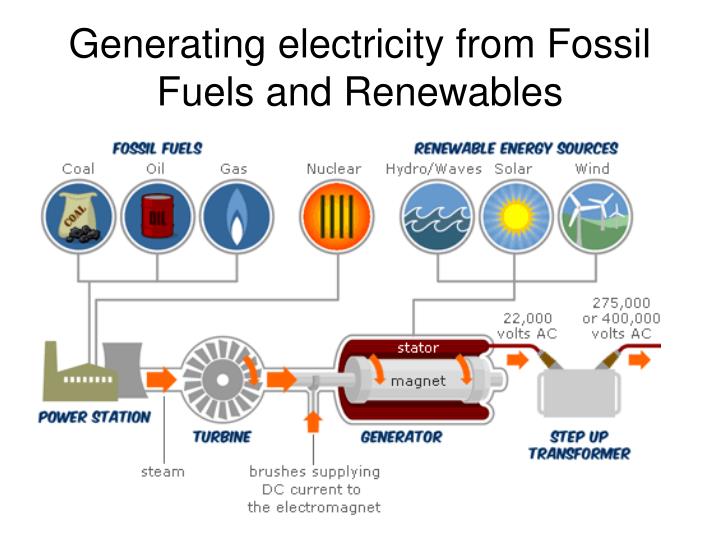
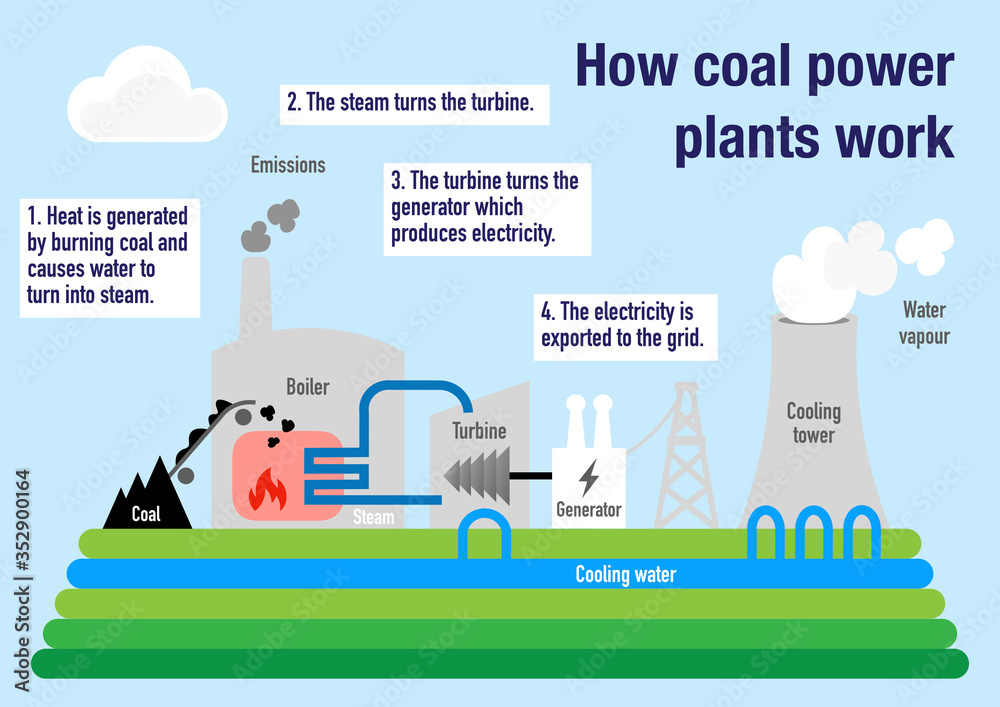
So, how do these ancient fuels – coal, oil, and natural gas – actually create electricity? The process, while large-scale, is based on a simple principle: heating water to create steam.
Must Read
First, the fossil fuel is burned in a large furnace. Think of it as a really, really big barbeque, but instead of grilling burgers, we're heating massive amounts of water. Coal is often pulverized into a fine powder to burn more efficiently. Oil and natural gas are generally easier to burn directly.

The heat from this combustion then boils water in a boiler, producing high-pressure steam. This steam is the real workhorse of the operation. It's channeled through pipes to a turbine, which is essentially a giant windmill connected to a generator.
The force of the steam spins the turbine blades, and as the turbine spins, it turns the generator. Inside the generator, coils of wire are spun within a magnetic field. This motion induces an electric current – voila, electricity! It's the same principle used in smaller-scale generators, just on a much grander scale.
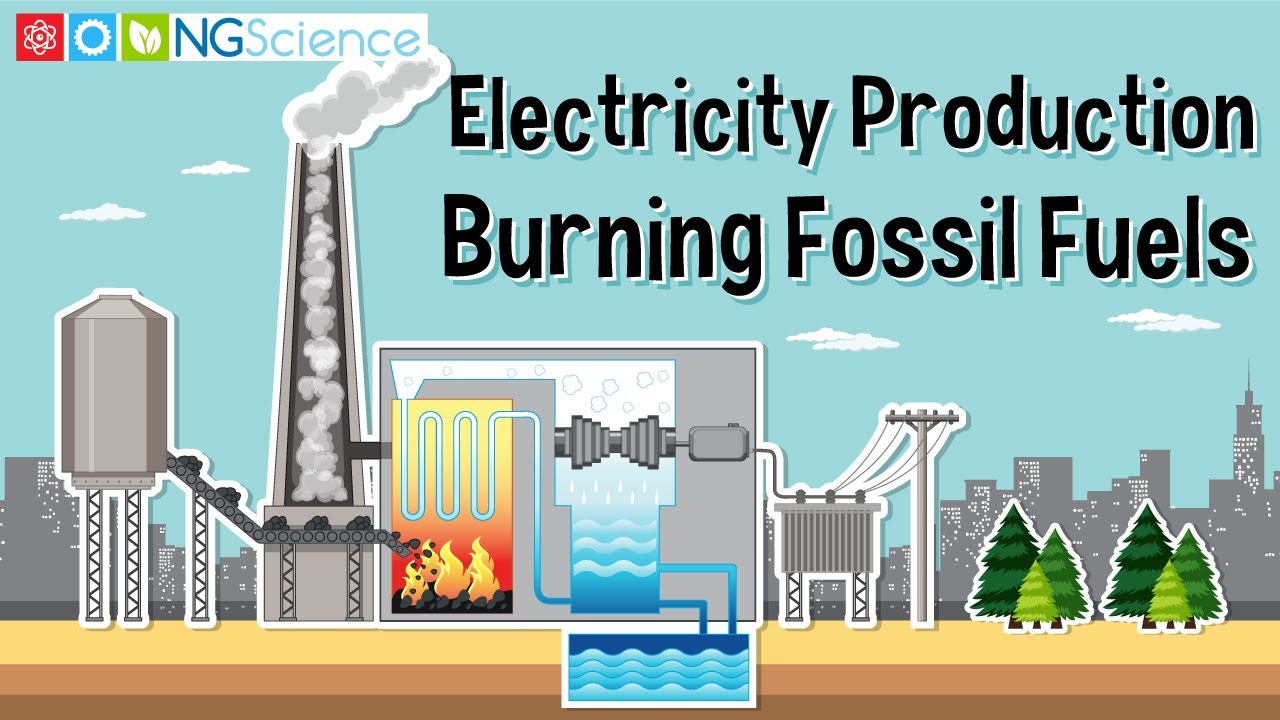
Finally, the electricity is sent through a network of transformers and power lines to homes and businesses. The steam, after passing through the turbine, is cooled and condensed back into water to be reused in the boiler, creating a closed-loop system.
While fossil fuels have been instrumental in powering our world, it's important to acknowledge their impact. Burning them releases greenhouse gases, contributing to climate change. This is why there's a big push towards renewable energy sources like solar and wind power, which offer cleaner alternatives for generating electricity. Understanding how fossil fuels work is the first step in appreciating the need for and the benefits of transitioning to a more sustainable energy future. So, the next time you flip that light switch, remember the journey from fossil fuel to electricity, and consider the exciting possibilities of cleaner energy powering tomorrow!