
How A Hydro Power Plant Works
Hey there, ever wondered how we get clean, green electricity just from good old water? Well, buckle up, buttercup, because we're about to dive into the amazing world of hydropower! It's way cooler than it sounds, I promise – no boring textbooks here, just pure, unadulterated fun (and a little science, but shhh, don't tell anyone).
Think of it like this: the sun does its thing, evaporating water, which then forms clouds, rains down, and flows into rivers. So, in a way, hydropower is really just super-efficient solar power with extra steps! Mind blown, right? Basically, it's all about harnessing the power of water moving downhill. Simple, yet brilliant!
The Big Idea: Gravity is Your Friend!
At its heart, a hydropower plant is essentially a giant machine that turns the energy of falling water into electricity. It’s a bit like when you were a kid and tried to power a toy car with a garden hose – only way, way bigger and much more sophisticated. The main ingredient? A big ol' river, naturally!
Must Read
Step 1: The Mighty Dam (or Barrage)
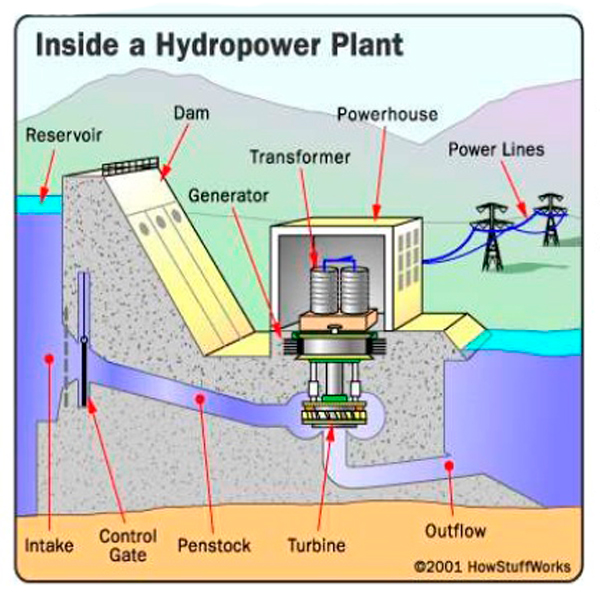
First things first, we need to create a significant drop for our water. And how do we do that? With a dam, of course! This isn't just any old wall; it's a massive, engineered structure that essentially acts as a giant stopper across a river. It creates a huge artificial lake, which we lovingly call a reservoir. Think of it as Mother Nature's biggest bathtub, holding tons of water at a really high elevation.
This reservoir is crucial because it stores water and, more importantly, creates that all-important "head" – that's the fancy term for the vertical distance the water will fall. The higher the head, the more potential energy the water has. It's like standing on a really tall diving board versus a small step stool – you get a lot more splash from the tall one!
Step 2: The Penstock – Water's Wild Ride!
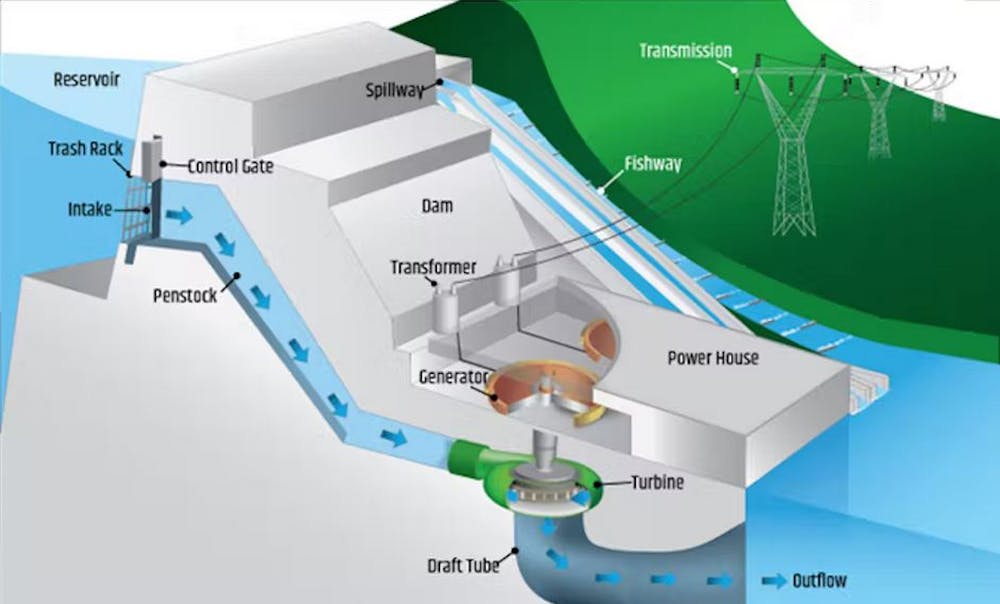
Now that we've got our water patiently waiting in the reservoir, we need to guide it to where the magic happens. This is where the penstock comes in. Imagine a super-strong, giant pipeline or tunnel that channels water from the reservoir down towards the power generation machinery. It's like a thrilling waterslide for millions of gallons of water, building up incredible speed and pressure as it rushes downhill.
The water is practically bursting with energy at this point, eager to get to the party. It's under immense pressure, which is exactly what we want because that pressure is going to do some serious work for us. It’s like squeezing a balloon – all that stored energy is just waiting for an escape route!

Step 3: The Turbine – Nature's Fidget Spinner!
At the end of that high-speed penstock is the star of the show: the turbine. This is a massive, incredibly strong wheel with specially designed blades, much like a giant propeller or a water-powered pinwheel. When that high-pressure, fast-moving water slams into the turbine blades, it makes the whole thing spin with tremendous force.
There are different types of turbines, but they all do the same job: convert the kinetic energy of the water into rotational energy. Basically, the water pushes the turbine, and the turbine goes "WHEEEEEEE!" It's quite a sight (and sound, if you could hear it over all that rushing water!).

Step 4: The Generator – Where the Spark Happens!
Guess what's directly connected to the spinning turbine? You got it: the generator! This is the part that actually creates the electricity. When the turbine spins, it turns a series of magnets inside the generator. This movement of magnets within coils of wire is what produces an electric current. It's a fundamental principle of electromagnetism, and it's how almost all large-scale electricity generation works.
So, the generator is basically converting that mechanical energy (the spinning turbine) into electrical energy. Ta-da! Instant power! It’s like magic, but with way more physics and a lot less waving a wand (unless you count engineers waving their blueprints).
Step 5: Transformers and Transmission – Sending It Out!
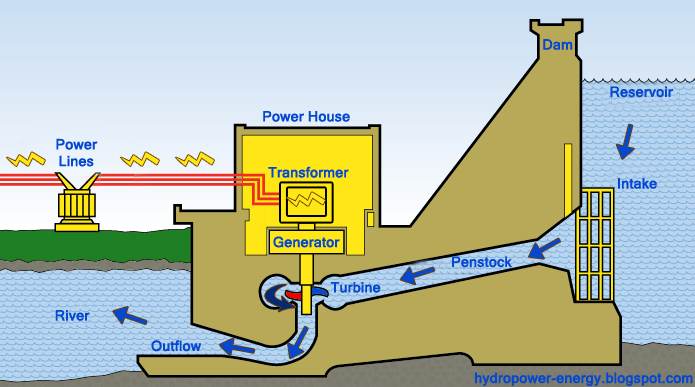
The electricity generated is usually at a relatively low voltage, so it needs to be stepped up by transformers before it can travel long distances efficiently. Once boosted, it's sent out through those familiar high-voltage transmission lines – the big wires you see strung between towering metal pylons – delivering power to homes, schools, and businesses far and wide.
And there you have it! From a raindrop falling on a mountain to powering your phone charger, it's all thanks to gravity, a clever design, and a lot of water. Hydropower is truly remarkable because it's a renewable energy source (as long as it keeps raining!), produces virtually no greenhouse gas emissions during operation, and can respond incredibly quickly to changes in electricity demand.
So next time you flip a light switch, take a moment to appreciate the journey that water might have taken, spinning giant turbines and lighting up your world. It's a fantastic example of how we can work with nature to create a brighter, cleaner future. Isn't that something to smile about?