House Temp In Winter When Away

Why is something as seemingly mundane as your thermostat setting a fun and engaging topic? Because it’s a secret superpower for any winter traveler, a true hack for peace of mind! Picture this: you’re dreaming of sunnier shores or hitting the slopes, but a nagging thought lingers – what about the house? Turning down the heat too much could spell disaster, but leaving it too high means watching money literally go up in smoke. This isn't just about saving a few bucks; it’s about mastering the art of the winter getaway, ensuring both your wallet and your home stay happy and healthy. It's a popular winter puzzle every homeowner faces, and solving it smartly brings immense peace of mind, making you feel like a true home management pro!
The primary purpose of adjusting your thermostat isn't just to be thrifty – though that’s a huge, satisfying benefit! Primarily, it’s about protecting your most valuable asset: your home. Leaving your house completely unheated in freezing temperatures is an open invitation for catastrophic consequences, most notably burst pipes. Water inside pipes expands when it freezes, causing them to rupture and unleash a watery, destructive nightmare upon your return. This kind of damage is incredibly costly and heartbreaking. Beyond disaster prevention, there’s the clear benefit of significant energy savings. Lowering the temperature by even a few degrees while you're away can drastically reduce utility bills, making your vacation feel even sweeter. And let’s not forget the positive environmental impact – less energy consumed means a smaller carbon footprint. It's truly a win-win-win for your wallet, your home, and the Earth.
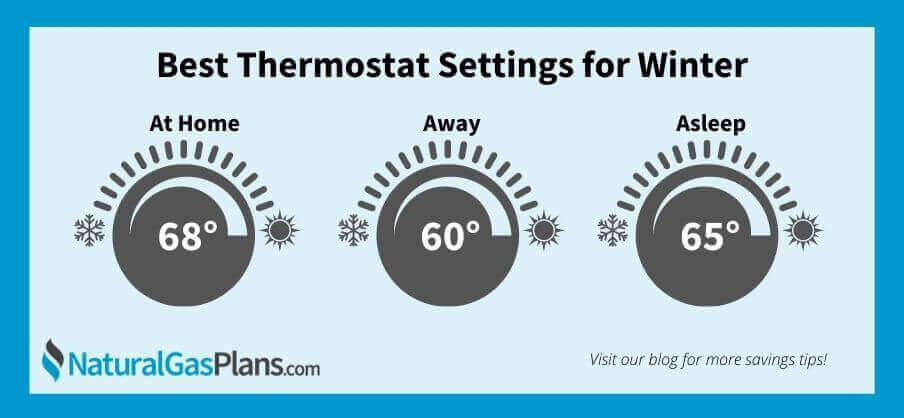
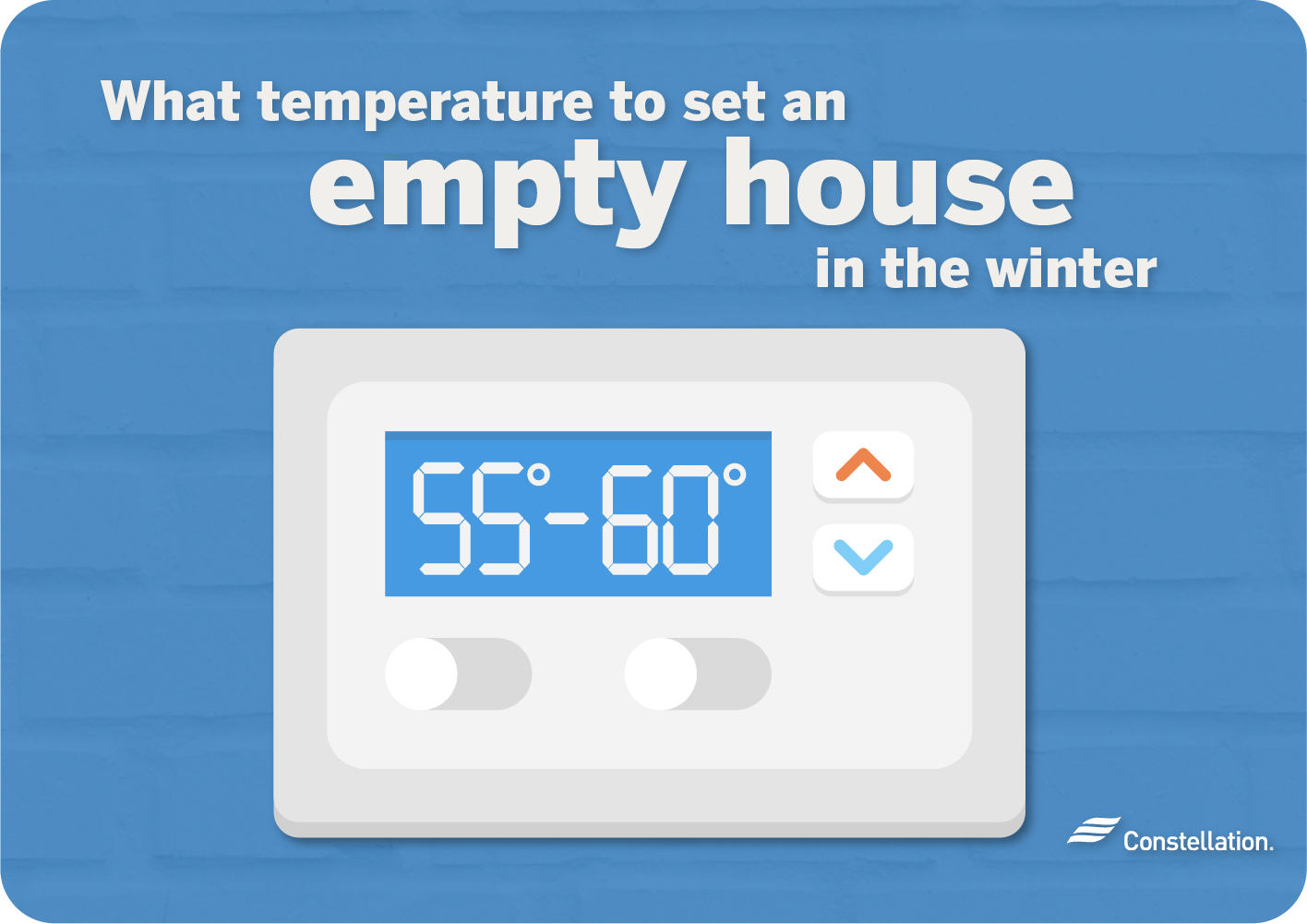
So, what’s the magic number, the "Goldilocks zone" for an empty winter home? While there's no single "perfect" temperature for every house, a widely recommended range is to set your thermostat between 55°F (13°C) and 60°F (16°C). This range is typically warm enough to prevent pipes from freezing, especially if your home is reasonably insulated, but cool enough to drastically cut down on heating costs. It’s a careful balance: avoid a deep freeze and costly damage without overspending. Remember, the goal isn't to make your house toasty warm, but simply to keep it above freezing and prevent structural damage from extreme cold. This modest warmth also helps prevent excessive moisture buildup, which can lead to issues like mold. It's about maintaining a baseline of safety and stability.
Must Read
To truly become a winter temperature wizard and level up your home protection, consider a few extra smart tricks. If you have a smart thermostat, this whole process becomes incredibly easy and empowering. You can adjust the temperature remotely from your phone, giving you total control and immediate peace of mind from anywhere. Always make it a habit to check the weather forecast for your home area before you leave; a predicted deep freeze or arctic blast might warrant setting the temperature a degree or two higher for added security. Another savvy move? If you have internal doors that close off colder areas, like a utility room or under-sink cabinets where pipes might be exposed, consider leaving them slightly ajar to allow warmer air to circulate more freely. And, of course, if you're away for an extended period, it never hurts to ask a trusted neighbor or friend to pop in occasionally and double-check everything. With these simple yet effective strategies, you're not just leaving for a trip; you're becoming a pro-level homeowner, protecting your biggest investment while fully enjoying your well-deserved break!