Hottest Temperature Ever Recorded In Us
We all do it, don't we? The moment the sun blazes a little brighter, or a chill bites a little harder, we inevitably turn to each other and declare, "Phew, it's hot today!" or "Brrr, it's freezing!" There's a primal, universal fascination with weather, a shared experience that connects us all. And when it comes to the extremes, our curiosity truly ignites. We love to hear about the biggest snowfalls, the wildest storms, and of course, the hottest days. It's like our planet is showing off, and we're all mesmerized spectators!
This isn't just idle chatter around the water cooler. Understanding these climatic benchmarks serves a profound purpose in our everyday lives. Meteorologists pore over such data, not just to satisfy our morbid curiosity, but to build better predictive models. This helps us anticipate everything from a summer heatwave that might affect our picnic plans to extreme temperatures that could strain power grids and pose serious health risks. Knowing the limits of our planet's thermometer helps us design more resilient cities, build smarter infrastructure, and even choose the right crops for different regions. It's about being prepared, being safe, and ultimately, making our lives more comfortable and secure in the face of nature's might.
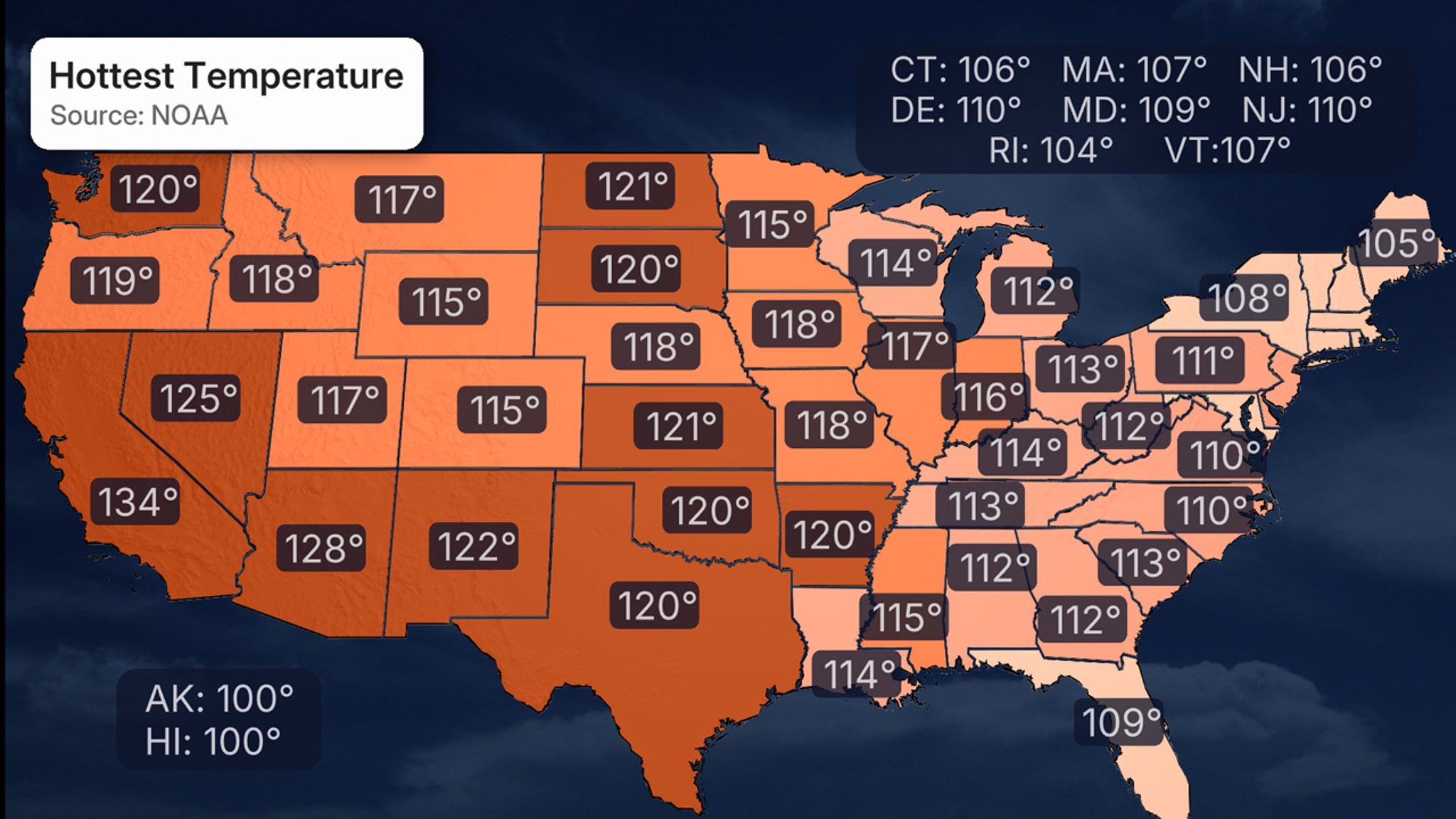
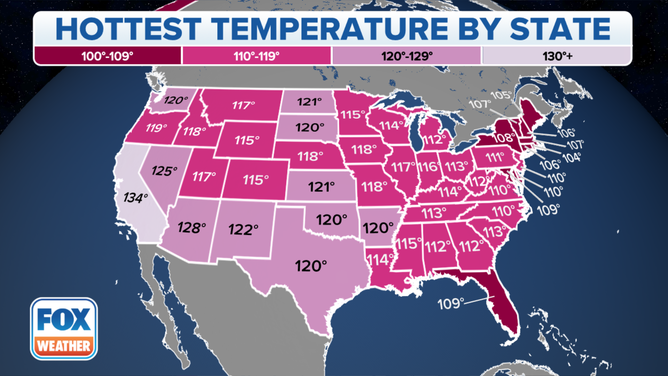
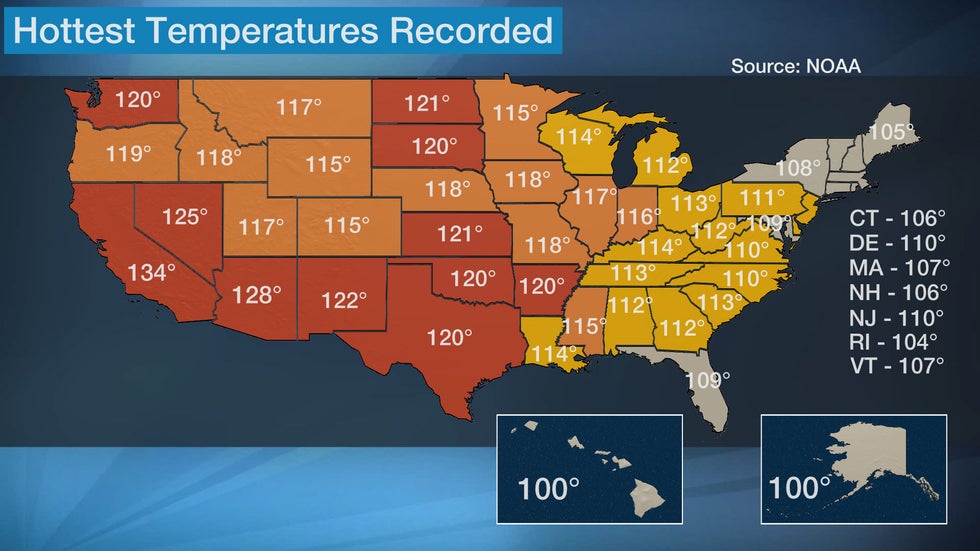
So, what's the ultimate scorcher in U.S. history? Brace yourselves: the hottest temperature ever recorded in the United States, and indeed, on Earth, was a mind-boggling 134 degrees Fahrenheit (56.7 degrees Celsius). This inferno occurred at Furnace Creek, Death Valley, California, on the unforgettable date of July 10, 1913. Imagine stepping outside into air so hot it feels like an oven has been left open, so dry it sucks the moisture right out of you. That's 134°F – a number that makes even the most ardent sun-worshippers sweat just thinking about it. This record isn't just a historical footnote; it's a stark reminder of the planet's incredible, sometimes terrifying, power.
Must Read
How does this record, and the science behind it, apply to you? Well, it directly influences how your air conditioning system is designed, the heat-resistant materials used in your car, or even the optimal time emergency services issue heat advisories in your area. Farmers rely on historical temperature data to plan irrigation schedules and select drought-resistant crops. Architects consider these extremes when designing buildings to be energy-efficient and comfortable. Even our vacation choices are often dictated by temperature – perhaps you'd prefer to visit Death Valley in January rather than July after hearing that record!
Now, how do you "enjoy" effectively something like the hottest temperature ever recorded? Clearly, direct exposure isn't the goal! Instead, let's talk about effectively navigating and appreciating our climate. Firstly, stay hydrated – water is your best friend when temperatures rise. Secondly, seek shade and avoid peak midday sun during warmer periods. Always check local weather forecasts; knowing what's coming helps you plan your day safely. If you’re ever curious to visit places like Death Valley, consider doing so in the cooler winter months when you can truly appreciate its unique beauty without risking heatstroke. Understanding these extremes helps us respect nature's boundaries and live more harmoniously with our powerful planet. So next time you feel the sun's full force, remember the incredible record, and take a moment to appreciate the science that helps us understand, and survive, such extremes.