
Hot Plate Welding Advantages And Disadvantages

Hey there, curious minds! Ever wondered how those seemingly seamless plastic parts are joined together? Like, how do they make those perfectly sealed containers or car bumpers that don’t fall apart at the first bump? Well, there's a pretty nifty technique called hot plate welding, and today we're diving headfirst into its fascinating world.
Imagine it like this: you’ve got two slices of bread, and you want to make them stick together perfectly. Forget peanut butter and jelly for a second. Instead, imagine pressing each slice individually against a hot griddle just long enough to get the edges slightly melty. Then, BAM! You slam them together, and they fuse into a single, glorious, albeit slightly unconventional, sandwich. That’s basically hot plate welding in a nutshell, but for plastic. Pretty cool, right?
So, What's the Big Deal About Hot Plate Welding?
Okay, let's get down to the nitty-gritty. Hot plate welding is a process where we use a heated plate (surprise!) to melt the surfaces of two plastic parts. The plate is then removed, and the parts are forced together under pressure. As they cool, they form a strong, permanent bond. The result? A weld that's often as strong, or even stronger, than the original material.
Must Read
Why is this so important? Well, think about all the plastic products you use every day. From medical devices to automotive components, a strong, reliable weld is crucial for ensuring their safety and functionality. Would you want your heart monitor to fall apart during surgery? Or your car’s dashboard to crumble on a bumpy road? Didn’t think so!
The Awesome Advantages of Hot Plate Welding
Alright, let's talk about why hot plate welding is so rad.

Strength and Durability: This is the big one. Hot plate welds are known for their exceptional strength. The bond is essentially a fusion of the two materials, creating a weld that can withstand significant stress and strain. Think of it like forging metal – it’s not just sticking two things together; it’s creating a whole new, stronger entity.
Versatility: Hot plate welding isn't a one-trick pony. It can handle a wide range of thermoplastic materials. Plus, it can weld parts with complex shapes and sizes. Got a weirdly shaped plastic thingamajig? Hot plate welding can probably handle it.
Hermetic Seals: Need a completely airtight seal? Hot plate welding excels at creating them. This is super important for things like containers that need to protect their contents from moisture or air.

Cost-Effective for Large Volumes: Once the initial setup is done, hot plate welding can be a surprisingly cost-effective solution for high-volume production. It's like setting up a conveyor belt – once it's running, it's running!
But, Uh Oh, There's a Catch… The Disadvantages
Now, before you get too excited and start hot plate welding everything in sight, let's talk about the downsides. No process is perfect, right?
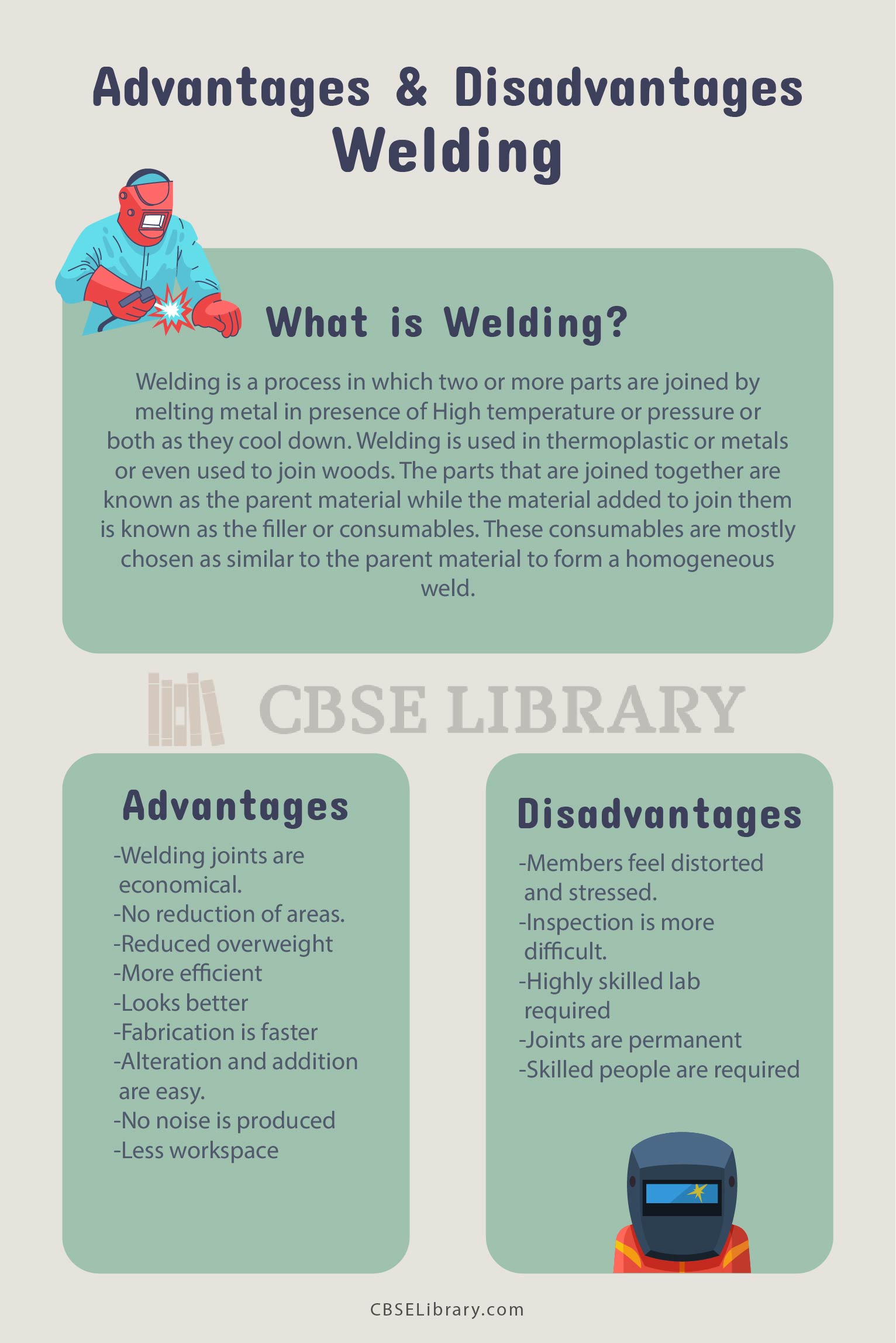
Cycle Time: Hot plate welding isn't exactly a speed demon. The heating and cooling process takes time, which can slow down production compared to other welding methods. Think of it like slow-cooking a delicious stew – it takes time to develop the flavor, but the result is worth it (hopefully!).
Flash: One potential issue is the formation of "flash" – excess melted plastic that squeezes out during the welding process. This flash needs to be removed, adding an extra step to the process. Imagine a volcano erupting… but with melted plastic instead of lava. Okay, maybe not that dramatic, but you get the idea.
Material Limitations: While versatile, hot plate welding isn't suitable for all types of plastics. Certain materials may degrade or not weld properly with this method. It’s like trying to bake a cake with the wrong kind of flour – it's just not going to work.

Equipment Cost: Setting up a hot plate welding system can be a significant investment. The equipment itself can be pricey, especially for automated systems. But hey, quality craftsmanship comes at a price!
So, Is Hot Plate Welding Right for You?
That's the million-dollar question! It really depends on your specific needs and requirements. If you need strong, hermetic seals and are working with large volumes, hot plate welding might be the perfect solution. But if speed is your top priority or you're working with incompatible materials, you might want to explore other options.
Ultimately, hot plate welding is a powerful and versatile technique that plays a vital role in manufacturing countless plastic products. So, the next time you see a flawlessly welded plastic part, take a moment to appreciate the ingenuity behind this fascinating process. And who knows, maybe you'll even be inspired to try it yourself… just be careful not to burn yourself!