
History Of Hurricanes In The Gulf Of Mexico

Alright, folks, buckle up! We're about to dive headfirst into the wild, swirling history of hurricanes in the Gulf of Mexico. It's a story packed with drama, destruction, and a surprising amount of resilience. Think of it as a really intense soap opera, but with way more wind and rain!
Ancient Whispers: Long Before the Weather Channel
Before radar and satellite images, people relied on something way cooler: firsthand experience and oral tradition. Imagine trying to explain a hurricane to someone who's never even seen a rainstorm heavier than a drizzle! They passed down stories of monstrous storms for generations.
Native American tribes, like the Karankawa along the Texas coast, lived and breathed the Gulf. They knew the moods of the sea, the shift in the wind, the eerie calm before the storm. These were signs written in the sky and the sea, not on a fancy weather app.
Must Read
Evidence suggests they even adapted their building techniques to withstand these brutal forces. Clever, right? Necessity is the mother of invention, especially when your house might become airborne at any moment!
The Spanish Galleons' Graveyard
Fast forward to the arrival of the Spanish conquistadors! They sailed into the Gulf with dreams of gold and glory, but the hurricanes had other plans. These weren't your average afternoon thunderstorms; these were nautical nightmares!
Picture this: A massive Spanish galleon, laden with treasure, suddenly caught in the eye of a hurricane. It was like hitting a brick wall made of water and wind, only the brick wall was actively trying to tear you apart. Many ships were lost to these sudden, powerful storms, becoming underwater museum of sunken treasure and tall tales.
The Spanish kept records, but let’s just say their weather reports weren’t exactly state-of-the-art. "El tormenta fue muy malo!" (The storm was very bad!) That's putting it mildly!
18th and 19th Centuries: Building a Nation, One Hurricane at a Time
As the United States began to take shape, the Gulf Coast became a bustling hub of activity. Ports like New Orleans, Galveston, and Mobile were booming, but these coastal cities were squarely in the hurricane's crosshairs.
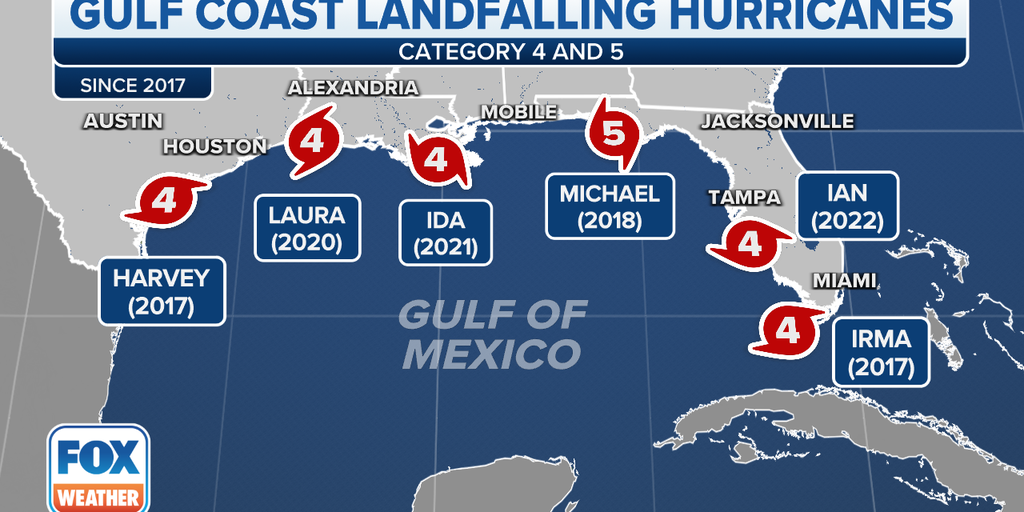
Hurricanes shaped not only the landscape but also the economy. The cotton industry, the sugar plantations, the shipping routes – all were vulnerable to the whims of these colossal storms. It was a constant battle between progress and nature's raw power.
One particularly nasty storm in 1819 devastated the coast, proving these storms were not to be trifled with.
The Galveston Hurricane of 1900: A City Erased
The Galveston Hurricane of 1900. I'm not even kidding when I say that this was one of the deadliest natural disasters in U.S. history. Galveston, Texas, a thriving port city, was practically wiped off the map. Imagine a city suddenly finding itself under 15 feet of water.
The storm surge, a wall of water pushed inland by the hurricane's winds, was absolutely catastrophic. Thousands perished, and the city was left in ruins. This event served as a brutal wake-up call to the dangers of coastal living.
The tragedy spurred significant advancements in weather forecasting and coastal defense. The city built a massive seawall, and raised the entire city up. It was a truly monumental effort, born from immense tragedy.

The 20th and 21st Centuries: Technology Steps Up (Sort Of)
The 20th century brought new technologies to the fight against hurricanes. Radar, aircraft reconnaissance, and eventually satellites gave us a better understanding of these storms' behavior and trajectory. We went from "Uh oh, looks like a storm is brewing" to "We're tracking a Category 5 hurricane headed straight for New Orleans!"
The development of the Saffir-Simpson Hurricane Wind Scale helped categorize hurricanes based on their intensity. It gave us a standardized way to measure a storm's potential damage. Knowing the category is knowing how much you need to be panic.
But even with all the fancy gadgets, predicting a hurricane's exact path and intensity remains a challenge. These storms are complex beasts, influenced by a million different factors.
Hurricane Camille (1969): A Gulf Coast Nightmare
Hurricane Camille was a monster. It slammed into the Mississippi coast in 1969 with winds estimated at over 200 mph. It flattened everything in its path, leaving behind a trail of destruction that was almost unbelievable. This storm was so powerful, it has its place in history.
The storm surge reached over 24 feet, and the rainfall caused widespread flooding. It was a brutal reminder of the power of nature and the vulnerability of coastal communities.

Stories of survival and resilience emerged from the wreckage. People helping each other, rebuilding their lives, and refusing to be defeated. It's a testament to the human spirit in the face of unimaginable adversity.
Hurricane Katrina (2005): A City Underwater
Hurricane Katrina. The name alone sends shivers down the spines of anyone who lived through it. In 2005, this storm devastated the Gulf Coast, particularly New Orleans. Levees failed, and the city was submerged in floodwaters. It was a catastrophe on an unprecedented scale.
The storm exposed deep-seated social and economic inequalities. Many people were unable to evacuate, and the response to the disaster was slow and inadequate. It was a painful chapter in American history.
Katrina forced a re-evaluation of disaster preparedness and coastal protection. New Orleans has rebuilt, but the scars of Katrina remain. It's a reminder of the ongoing threat posed by hurricanes and the need for constant vigilance.
The Busy Years: 2020 and 2021
2020 and 2021 were insane. It was like the Gulf of Mexico was hosting a hurricane party and everyone was invited. We ran out of names, y'all! That means you have to start using the Greek alphabet. I remember thinking, "Okay, we're at Alpha. This is getting ridiculous."
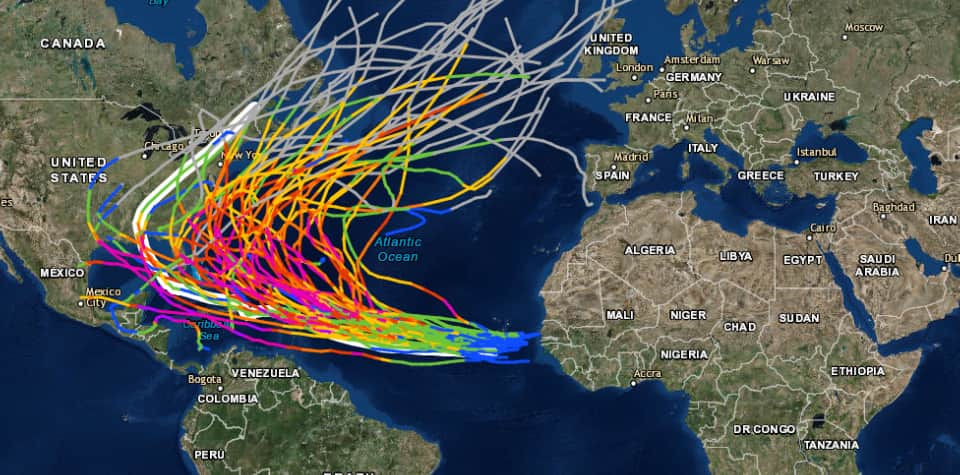
These seasons brought a barrage of storms, impacting communities all along the Gulf Coast. From Louisiana to Texas to Florida, everyone felt the wrath of these relentless hurricanes.
While there's never a convenient time for hurricanes, these years were especially tough given that there was already a pandemic.
Looking Ahead: The Future of Hurricanes in the Gulf
Climate change is expected to make hurricanes even more intense in the future. Warmer ocean temperatures provide more fuel for these storms, leading to stronger winds and heavier rainfall. Sea level rise also increases the risk of storm surge flooding.
Coastal communities need to adapt to this new reality. That means investing in stronger infrastructure, improving evacuation plans, and promoting sustainable development. And let's be honest, maybe moving inland wouldn't be such a bad idea for some.
The history of hurricanes in the Gulf of Mexico is a story of constant challenge and adaptation. These storms will continue to shape the region for generations to come. Will we be ready? Only time will tell!