In the symphony of a well-loved home, there are unsung heroes working quietly in the background, ensuring everything runs smoothly and safely. One such vital player, often overlooked in the grand scheme of interior design or home improvement projects, is the carbon monoxide detector. While it might not win awards for its aesthetic appeal, understanding its optimal placement, particularly its height, is a surprisingly empowering act of home care and a crucial step towards creating a truly secure sanctuary.
Thinking about where to install your CO detector isn't just a chore; it's an opportunity to become a proactive guardian of your living space. For the diligent homeowner, the peace of mind that comes from knowing your detectors are correctly positioned is immeasurable. It's a small, straightforward task that yields monumental benefits: protecting your loved ones from an invisible, odorless threat. Consider it a fundamental piece of your home's wellness infrastructure, a silent sentry that stands guard around the clock.
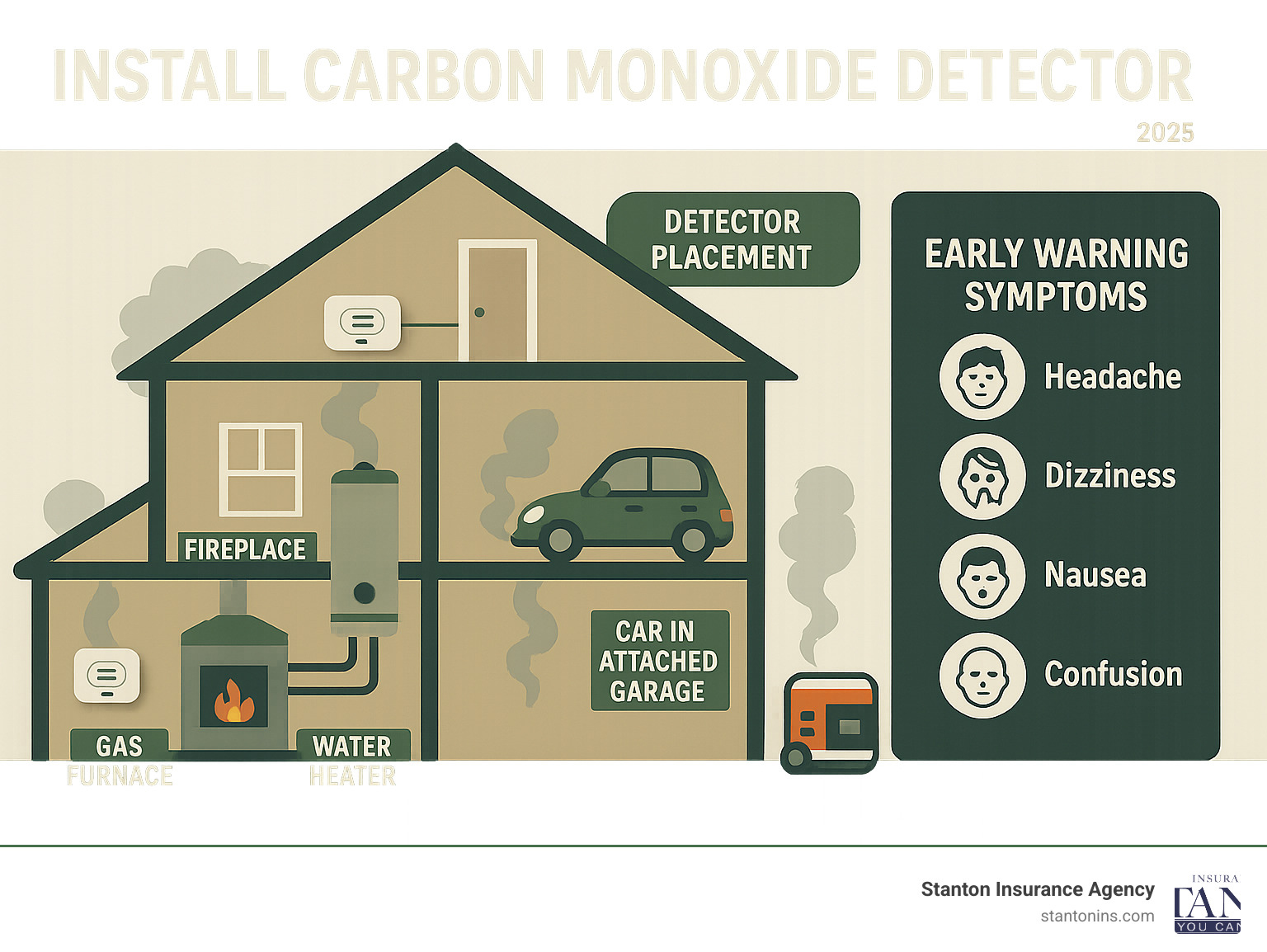
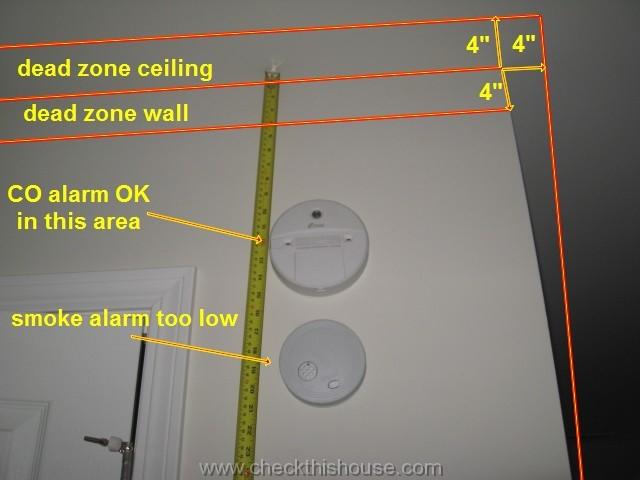
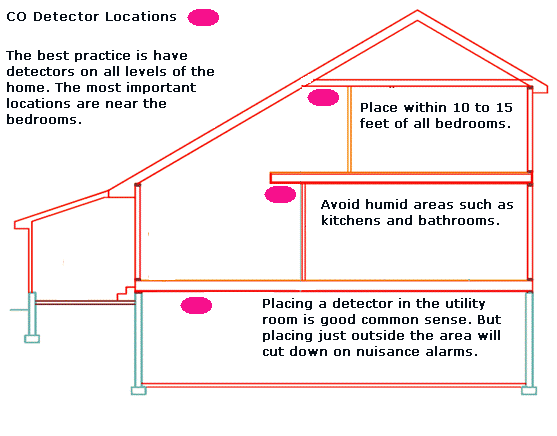
So, what’s the secret to its superpower positioning? Unlike smoke detectors, which need to be high up to catch rising smoke, carbon monoxide mixes quite evenly with air. This means there isn't one single "perfect" height where it universally collects. Instead, the focus shifts to ensuring optimal airflow and accurate detection. The golden rule is always to follow the manufacturer's instructions precisely, as designs can vary. However, generally, CO detectors are recommended to be installed on a wall about five feet from the floor – roughly eye level – or on the ceiling. The key is to avoid placing them right next to combustion appliances like furnaces or water heaters, which might trigger nuisance alarms, or in "dead air" spaces like the peak of a vaulted ceiling or behind heavy curtains. Placing them outside each separate sleeping area and on every level of your home is also paramount.
Ready to empower your home with this essential safeguard? It's a surprisingly simple weekend project! Grab a measuring tape, a pencil, and if you're installing a wall-mounted unit, perhaps a drill and a screwdriver. First, identify the best locations: outside sleeping areas and on each floor. Then, consult your detector's manual for its specific height recommendations. If it suggests around five feet on the wall, mark that spot. Ensure it's not obstructed and has good airflow. Plug in or mount your detector, test it according to the instructions, and you're all set! It’s a quick task that offers lasting reassurance.
There’s a profound satisfaction in knowing you’ve taken such a critical step to protect your home and everyone in it. It’s not about decorative flair or artistic expression, but about the deeply human pleasure of providing safety and care. The "enjoyment" comes from the quiet confidence that hums through your home, knowing your vigilant CO detector is standing guard, allowing you to breathe easy and truly relax.