
Heater Set Off Fire Alarm

Picture this: it’s a chilly evening, the kind where you just want to curl up with a good book and a warm beverage. The heating system has been humming along perfectly, turning your living room into a cozy haven. Then, suddenly, BEEP! BEEP! BEEP! The ear-splitting shriek of the fire alarm cuts through the blissful silence, jolting you upright like a bolt of lightning. My heart did a quick samba, I can tell you.
My first thought? Smoke? Fire? Catastrophic meltdown? A frantic dash through the apartment, nose twitching for any sign of danger. Nothing. No visible smoke, no burning smell. Just that relentless, high-pitched scream. It felt like a scene straight out of a sitcom, only far less amusing when you’re the one experiencing it.
The Culprit Revealed
After a quick investigation, the culprit became clear: my trusty electric space heater. It had just been switched on after its summer hiatus, radiating warmth and... a faint, almost imperceptible wispy haze near the top. And that, my friends, was enough to trigger the sensitive little sentinel on the ceiling.
Must Read
Turns out, this is a pretty common occurrence. That first blast of heat after months of inactivity often incinerates the tiny particles of dust that have settled on the heating elements. It's essentially a small, controlled dust burning party, and your fire alarm, ever vigilant, mistakes it for something much more sinister. For new heaters, it can also be the protective coatings or manufacturing oils burning off, creating a similar harmless but alarm-triggering plume.
Why So Sensitive? Let's Talk Alarms!
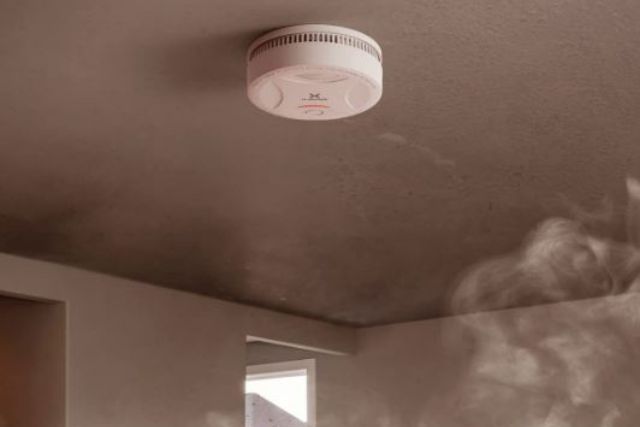
Ever wondered why some alarms go off for toast while others stay silent during a full-blown kitchen disaster? There are two main types of smoke alarms: ionization alarms and photoelectric alarms. Ionization alarms are generally better at detecting fast-flaming fires with invisible combustion products, like those produced by burning dust or even a new toaster. Fun fact: these alarms contain a tiny, harmless amount of radioactive material (Americium-241!) to detect smoke particles. Photoelectric alarms, on the other hand, are more responsive to large, visible smoke particles from slow-burning, smoldering fires. Most modern homes benefit from having both types or dual-sensor alarms. My guess? My alarm is an ionization type, hyper-tuned to even the tiniest particle.
Keeping Your Cool (and Your Alarm Silent)
So, how do we prevent these dramatic, yet ultimately harmless, performances from our smoke detectors?
- Clean Your Heaters Regularly: Before you fire up your space heater for the season, give it a good clean. Use a vacuum cleaner with a brush attachment or a can of compressed air to clear out dust from the vents and heating elements. This is probably the number one tip.
- Ventilate: When you first turn on a heater (especially a new one) or any appliance that might produce a "burn-off" smell, open a window or door. A little fresh air goes a long way.
- Check Your Alarm Placement: Smoke alarms should be installed on every level of your home, inside and outside sleeping areas. But avoid placing them too close to heating vents, kitchens (unless it's a specific kitchen alarm), or bathrooms where steam might trigger them unnecessarily.
- Test and Maintain Your Alarms: This one is non-negotiable! Test your smoke alarms monthly by pressing the test button. Replace batteries annually (a good reminder is when you change your clocks for daylight saving). And remember, smoke alarms don't last forever – replace the entire unit every 10 years. They literally have an expiry date printed on them!
- Don't Ignore the Beep: Even if it's just burning dust, always investigate. Better safe than sorry, right?
A Little Reflection
After silencing the alarm and airing out the apartment, a sense of calm returned. It was a good reminder that sometimes the most dramatic moments in life are actually quite mundane, and often teach us valuable lessons. It's easy to take home safety for granted until an alarm blares, shaking you (quite literally) into awareness. From now on, my space heater will get its annual dust-bunny eviction notice well before its inaugural chill-busting performance. And I’ll be testing my alarms with newfound respect. After all, they’re just doing their job, even if that job occasionally involves a spontaneous, deafening solo performance.


