
Heat Sets Off Smoke Alarm
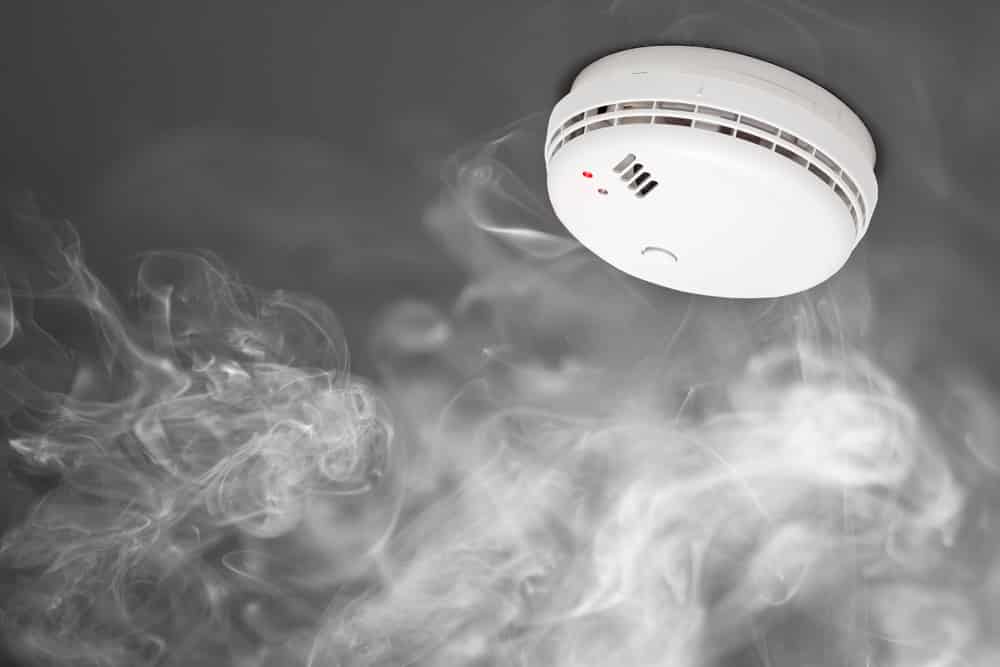
Ever been in the middle of a glorious cooking session, maybe just perfectly toasting a bagel, or boiling some water for pasta, when suddenly… WAAAAHHHHHH!
Yep, that’s the sound of your smoke alarm declaring an emergency over what you thought was just a perfectly innocent, slightly crispy piece of bread. Or perhaps it was the steam from your post-workout shower, turning your bathroom into a sauna, that sent your ceiling-mounted sentinel into a frenzy. Sound familiar? You’re not alone, my friend. This isn't just a quirky feature of your home; it's a common, often humorous, household drama. And guess what? Sometimes, it’s not even smoke that’s the villain – it’s heat.
Why Your Smoke Alarm Thinks Your Culinary Genius is a Five-Alarm Fire
Let's demystify this little opera singer in your ceiling. While we call them "smoke alarms," many modern detectors are actually quite sensitive to a variety of airborne particles and, yes, even rapid changes in air temperature. Think of them as tiny, highly strung guardians, always on high alert for anything that might hint at danger.
Must Read
Most homes have one of two main types of smoke detectors, or sometimes a combination:
- Ionization Alarms: These guys are like tiny particle snipers. They contain a small amount of radioactive material (don't worry, it's safe!) that ionizes the air between two electrically charged plates. When smoke particles (or, crucially, other small particles like those from high heat cooking or burning toast) enter this chamber, they disrupt the flow of ions, triggering the alarm. They're super sensitive to fast-flaming fires.
- Photoelectric Alarms: These are more like light-watchers. They have a light source and a sensor in a chamber. If smoke (or, again, other dense particles like heavy steam or cooking fumes) enters the chamber, it scatters the light into the sensor, setting off the alarm. They're great for slow, smoldering fires.
See the common thread? Particles. When you're cooking, especially at high temperatures, you're not just making delicious food; you're also creating a whole host of airborne particles. Grease, steam, tiny food fragments – they all get dispersed into the air. And to your alarm, these can look an awful lot like smoke. It's not being dramatic; it's just doing its job, albeit with a slight overabundance of caution.
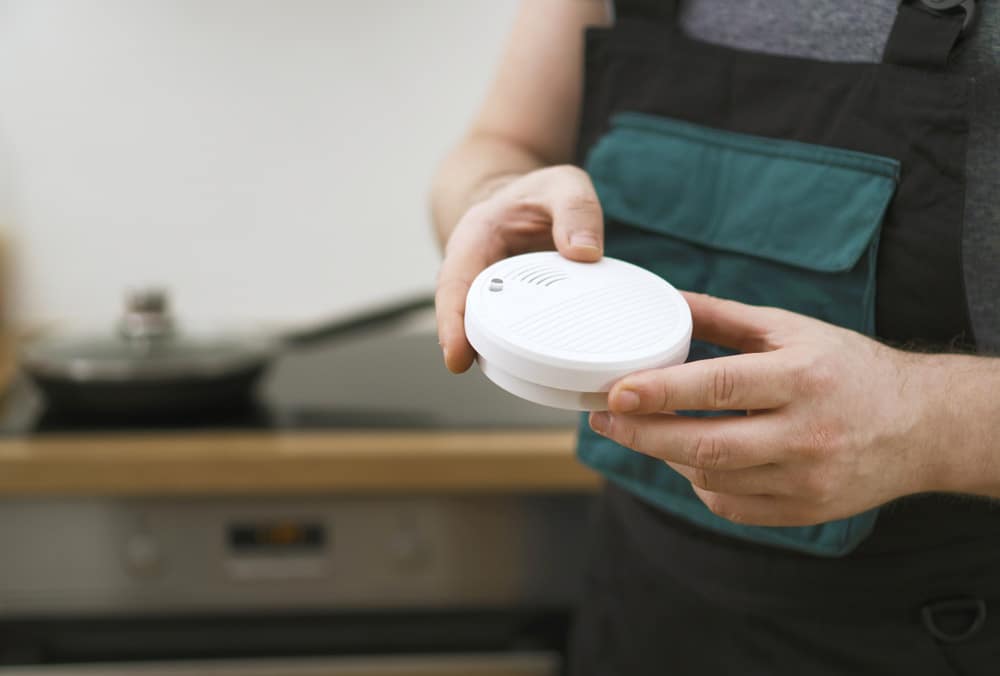
The Usual Suspects: When Heat Plays Pranks
So, what are the most common scenarios where heat (or heat-induced particles) becomes the sneaky saboteur?
The Toast Incident: The quintessential culprit. One minute it's golden brown, the next it's a charcoal briquette in waiting. The intense heat and tiny burnt particles are a smoke alarm's worst nightmare (or best, depending on how you look at it).
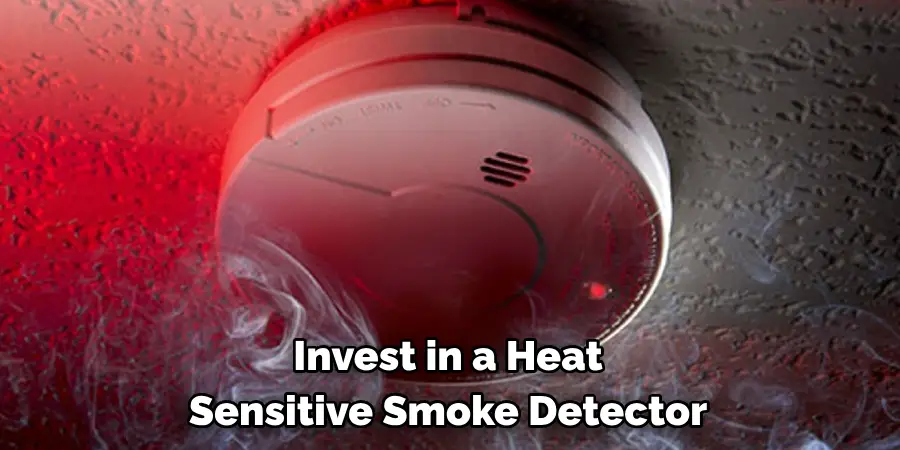
The Steamy Shower: Ah, the joys of a hot shower! But that glorious cloud of steam rising to your ceiling can easily trigger a photoelectric alarm. It's thick, it's dense, and it disperses particles like a tiny, personal fog machine.
High-Heat Cooking: Searing a steak? Stir-frying with gusto? Broiling anything? All these activities generate significant heat and often a fair bit of oil vapor and microscopic food particles. Even if there's no visible "smoke," the air around your stove can be buzzing with alarm-triggering elements.

The Overly Enthusiastic Kettle: Boiling water might seem innocent, but a kettle that's whistling its heart out can produce enough concentrated steam to send a nearby alarm into a tizzy.
What To Do When Your Home's Drama Queen Starts Belting It Out
First, don't panic! Unless you actually see flames (in which case, different rules apply!), it's likely a false alarm. Here’s your game plan:

- Ventilate: Open windows and doors. Turn on your kitchen exhaust fan. Get that air moving!
- Fan It Away: A towel or even just waving your hands can help disperse the offending particles/steam.
- The Hush Button: Many modern alarms have a "hush" or "silence" button. Press it! It usually gives you a few minutes of peace before resetting.
- Identify and Learn: Figure out what caused it. Was it the toast? The shower? Next time, you'll know to perhaps open a window before your culinary adventure begins.
And a quick but important note: while it's tempting to pull the batteries out of a persistently beeping alarm, don't forget to put them back in! An alarm with dead or missing batteries is useless, and that's not a risk worth taking for a slightly overcooked dinner.
Embrace the Vigilance!
Look, it can be annoying, sure. Your smoke alarm might be a little overzealous, perhaps even a bit dramatic at times, but it’s doing its job. It's a vigilant guardian, ready to scream its head off at the first hint of danger, real or perceived. It's the ultimate in home security, constantly monitoring your air for anything out of the ordinary, ensuring your safety (even if it does occasionally interrupt your brunch).
So, the next time your smoke alarm decides your perfectly golden-brown toast is actually a raging inferno, take a deep breath, give it a little wave, and maybe a mental pat on the head. Because at the end of the day, that shrill, annoying sound means one thing: it's working. And knowing that your home's little protector is on the job, even when it's just over a steamy shower, allows you to relax, cook those adventurous meals, and live your life with a little more peace of mind. And that, my friend, is something to smile about!