Have Hurricanes Increased In The Last 50 Years
Ever find yourself glued to the TV, watching a hurricane barrel across the coastline? Or maybe you’ve scrolled through dramatic photos of flooded streets and downed trees after a big storm. Hurricanes are undeniably captivating, and a little scary! It’s natural to wonder: are these powerful storms becoming more frequent? That’s the question we’re tackling today, and understanding the answer is more important than ever. Why? Because knowing if hurricane activity is changing helps us prepare, protect our communities, and make informed decisions about the future.
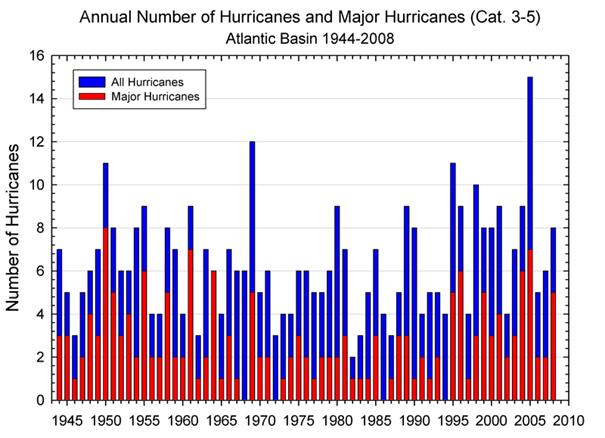
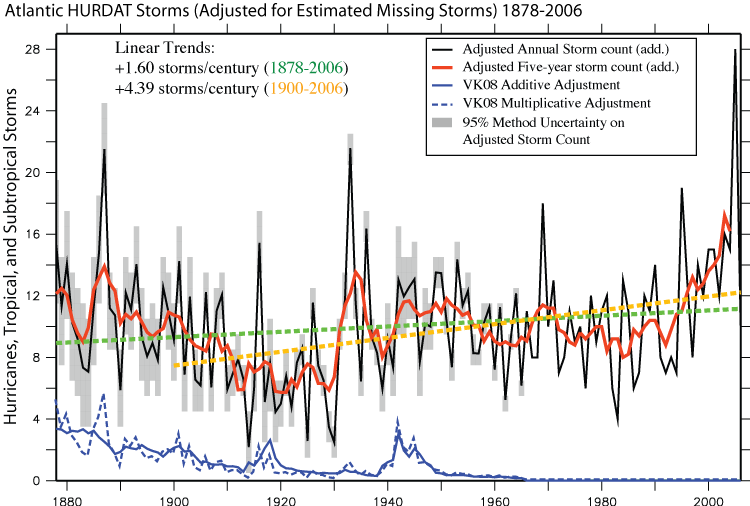
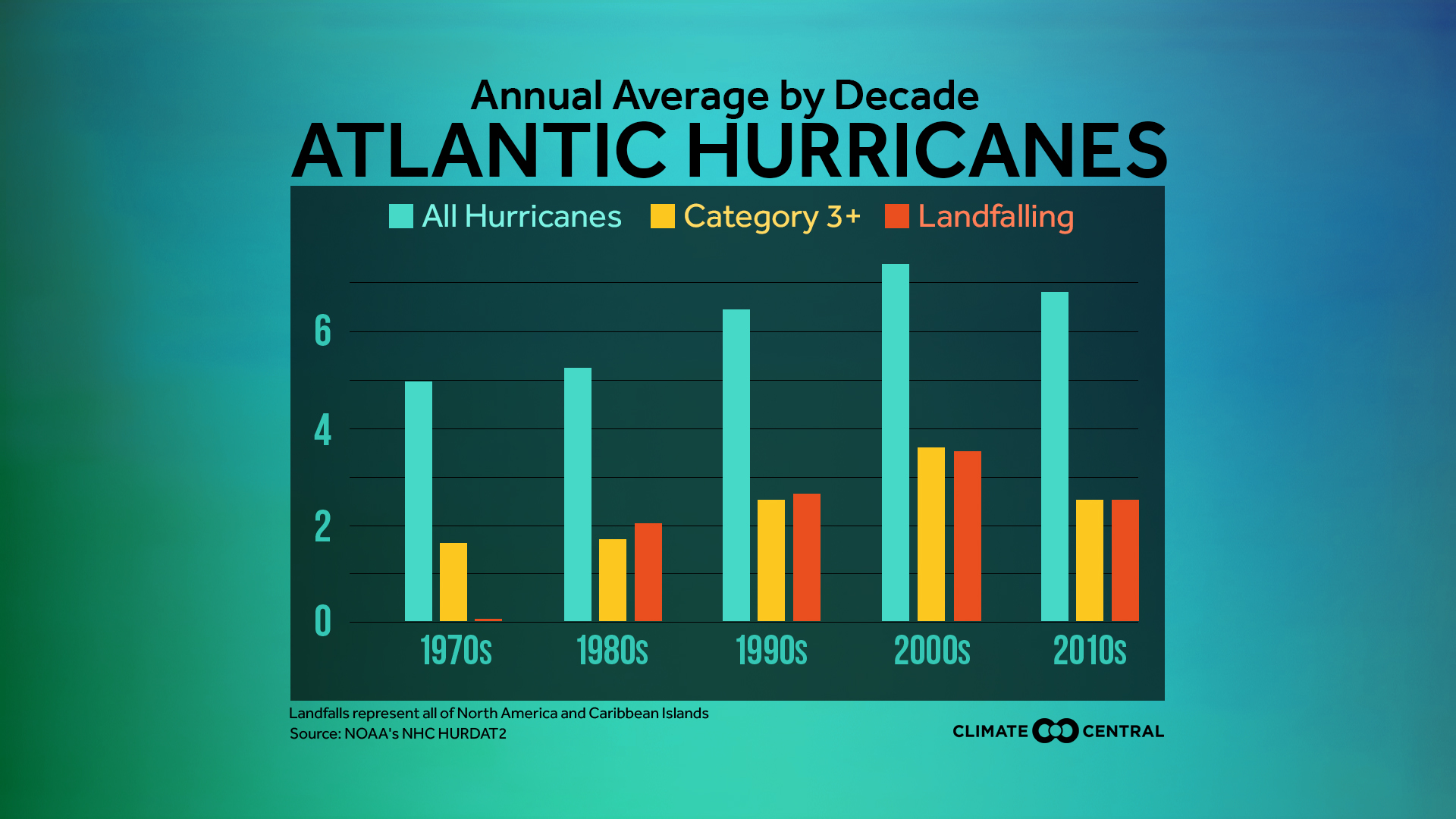
So, have hurricanes actually increased in the last 50 years? The simple answer is… it's complicated! While the overall number of hurricanes hasn’t shown a clear, dramatic increase globally, some interesting trends are emerging. The purpose of this article is to break down the science in a way that's easy to understand, ditching the jargon and focusing on what you need to know. The benefit? You'll be equipped with facts to navigate the often-confusing discussions surrounding climate change and extreme weather events.
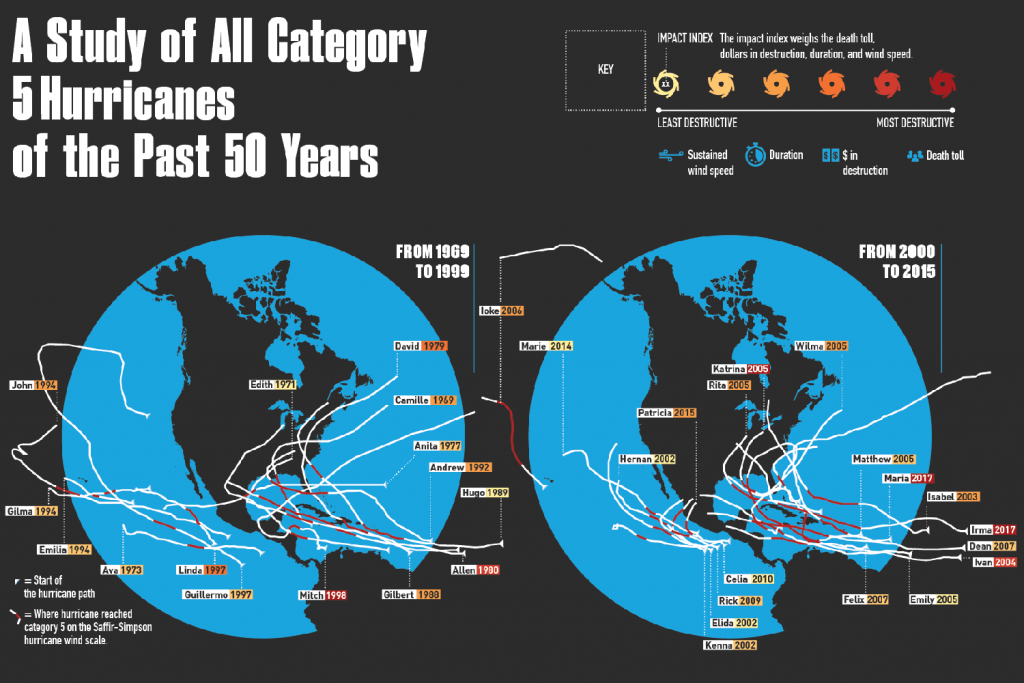
One of the key factors to consider is the concept of hurricane intensity. Scientists are increasingly confident that we are seeing an increase in the strength of hurricanes. Warmer ocean temperatures, a direct result of climate change, act as fuel for these storms, allowing them to become more powerful and potentially reach higher wind speeds. This means we might not be seeing more hurricanes overall, but the ones that do form are more likely to be major hurricanes – categories 3, 4, and 5 on the Saffir-Simpson scale.
Must Read
Think of it like this: it's like having the same number of cars on the road, but some of those cars are now supercharged race cars! The potential for damage is significantly higher with these more intense storms. We are also seeing some evidence that hurricanes are slowing down once they make landfall. This slower movement leads to prolonged rainfall and increased flooding, as the storm lingers over an area for a longer period.
Another important consideration is data collection. Fifty years ago, our ability to monitor and track hurricanes wasn't nearly as advanced as it is today. We now have sophisticated satellites, aircraft, and computer models that provide a much more comprehensive picture of hurricane activity. This means we're likely detecting more storms, particularly those that form in remote areas of the ocean, than we did in the past. Some of the apparent increase in hurricane numbers might simply be due to improved observation capabilities, though this doesn’t change the reality of potentially stronger storms.
In conclusion, while there isn't conclusive evidence of a massive surge in the total number of hurricanes, the trend towards increased intensity and slower movement is a serious concern. Understanding these changes is crucial for coastal communities, emergency responders, and policymakers. By being informed, we can better prepare for the challenges that these powerful storms present and work towards building more resilient communities. So, the next time you see a hurricane on the news, remember it’s not just about the quantity, but the potential power packed within that swirling vortex.