Has Dallas Ever Had A Hurricane
When you picture a hurricane, your mind probably conjures images of powerful winds whipping palm trees, crashing waves against sandy shores, and coastal towns bracing for impact. You’re likely thinking of places like Galveston, Corpus Christi, or Florida. But Dallas? Our beloved inland metropolis, sitting pretty far from any ocean, seems like an unlikely candidate for a direct hurricane encounter. So, the big question on many minds is: has Dallas ever actually had a hurricane?
The short, straightforward answer is no, Dallas has never experienced a direct hit from a full-blown hurricane. Hurricanes need warm ocean water to survive and thrive. By the time these monstrous storms make their way hundreds of miles inland, they typically lose their hurricane-force winds and weaken significantly, transforming into tropical storms or tropical depressions. Think of it like a superhero losing its powers the further it gets from its home planet.
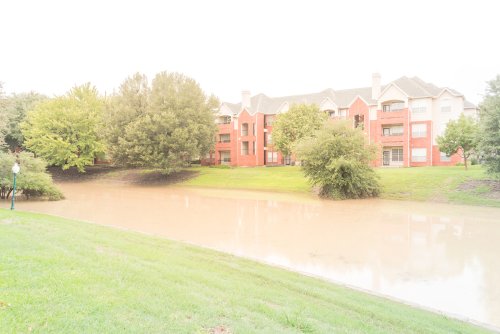
However, saying Dallas has never been affected by hurricanes would be a grand oversimplification, and honestly, a bit of a fib! While we don't get the eye of the storm, we certainly feel the ripple effects, and sometimes those ripples are more like giant, soggy waves. The biggest impact Dallas sees from these systems is often torrential rain. And when you mix heavy, persistent rain with a city built on clay soil, you get a recipe for localized flooding that can turn streets into rivers and underpasses into temporary lakes. It’s less about the terrifying wind and more about the endless, relentless downpour that makes you wonder if you’ve somehow moved to the Amazon.
Must Read
Consider some of the historical giants. The infamous Galveston Hurricane of 1900, which remains the deadliest natural disaster in U.S. history, certainly brought its wrath to the coast. But by the time its remnants reached Dallas, it was mostly just a very, very wet day. Fast forward to 1961, when Hurricane Carla, a truly massive storm, slammed into the Texas coast. Dallas braced itself, not for high winds, but for days of steady rain. Schools were closed, power flickered, and suburban streets saw their share of standing water. It wasn’t a hurricane party, but it definitely wasn't a normal week either.
More recently, we’ve seen how Dallas becomes a crucial safety net. In 2005, when Hurricane Rita threatened the Texas coast, particularly Houston, the response was a massive evacuation. Suddenly, the highways leading into Dallas were clogged with cars, all packed with families seeking refuge. Dallas opened its arms, its hotels, and its shelters, offering a safe haven away from the storm’s path. It was a time of immense traffic headaches, yes, but also a heartwarming display of community spirit, as North Texans welcomed their coastal neighbors with open doors and helping hands.
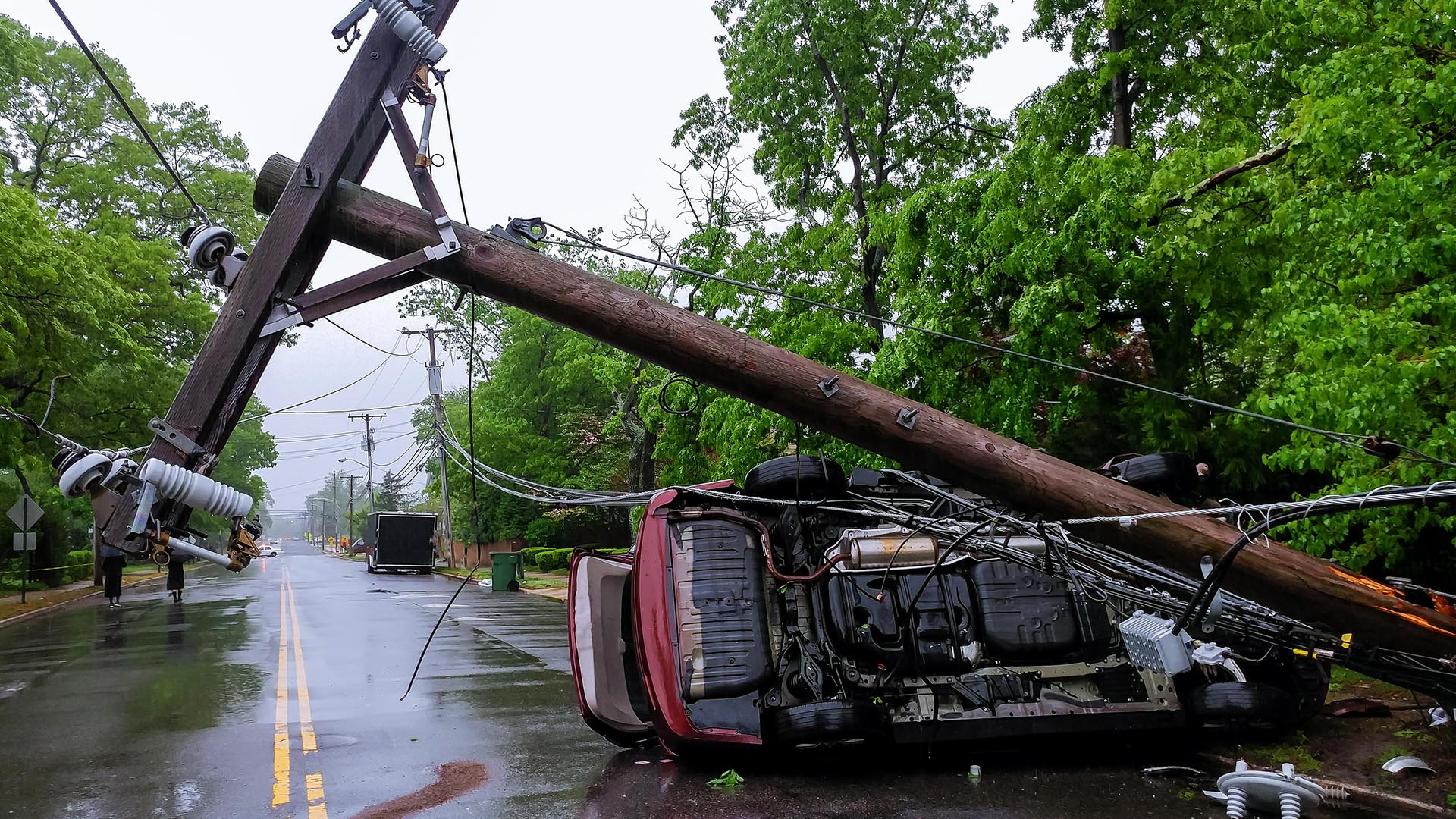
Then came Hurricane Harvey in 2017. While Harvey devastated Houston with unprecedented flooding, its outer bands and moisture extended far inland. Dallas experienced significant rainfall and localized flooding, but more importantly, it once again became a critical hub for aid and evacuees. Thousands of people from the Gulf Coast found shelter in Dallas-area convention centers, churches, and homes. Volunteers poured in, donations flooded in, and the city became a beacon of support for those who had lost everything. It wasn't about the wind in Dallas, but about the profound human connection and the collective effort to rebuild.
So, while Dallas might never have the dramatic tale of a hurricane eye passing directly overhead, it has its own unique hurricane story. It’s a story of powerful rainfall, resilient infrastructure (mostly!), and an unwavering spirit of community. When our coastal neighbors face the fury of the ocean, Dallas is often the place they turn to, a reliable friend in stormy weather. We might grumble about the traffic or the soggy commute, but deep down, there's a sense of pride in knowing that when hurricanes brew, Dallas becomes a vital part of the Texas response, proving that even hundreds of miles inland, we’re all in this together. It’s our own special kind of hurricane experience: less about the gale-force winds, and more about the heart of Texas beating strong.