Hardwired Smoke Alarm Keeps Going Off At Night
There are few sounds more universally jarring than the sudden, piercing shriek of a smoke alarm in the dead of night. Your heart leaps into your throat, adrenaline courses through your veins, and you're instantly awake, fumbling for your phone to check if this is actually a fire or just... a really bad dream. But then, the real head-scratcher hits: it’s your hardwired smoke alarm, the one that’s supposedly connected to your home’s electrical system, and it keeps going off. What gives?
You’re not alone in this peculiar nocturnal plight. It's a common, albeit incredibly frustrating, scenario that many homeowners face. That hardwired alarm, designed for your ultimate safety and peace of mind, can sometimes become an unexpected source of stress, especially when it decides to make its presence known at 3 AM. Let's decode this mystery and get you back to your blissful sleep.
The Usual Suspects: Why Your Hardwired Alarm Is Crying Wolf
Even though your smoke alarm is wired into your home’s electrical grid, it’s not immune to quirks. Think of it as a meticulously designed system with several potential weak links. Understanding these can save you a lot of grief (and lost sleep).
Must Read
First up, and often the most overlooked culprit: the backup battery. Yes, even hardwired alarms have a battery backup, usually a 9-volt or AA battery pack. This is a crucial safety feature, ensuring your alarm still works during a power outage. However, when this battery starts to die, your alarm might not just give a polite chirp; it can sometimes trigger a full-blown, ear-splitting alert. It's like a temper tantrum from a tiny power cell. Always check this first!
Next on the list is the alarm's expiration date. Believe it or not, smoke alarms aren't designed to last forever. They have a lifespan, typically around 10 years from the date of manufacture. After a decade, their sensors can become less reliable, leading to false alarms. You can usually find the manufacture date on the back of the unit. If it's hitting the big 1-0, it might be time for a replacement, no matter how much you've grown attached to its quirky personality.
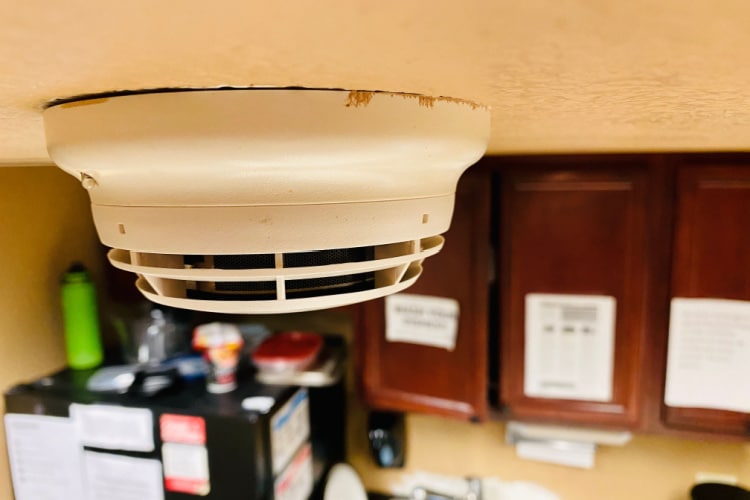
Then there's the issue of dust, debris, and tiny houseguests. Smoke alarm sensors are sensitive, designed to detect even minute particles of smoke. Unfortunately, they're not so great at distinguishing between smoke and a buildup of dust, cobwebs, or even a tiny insect taking up residence. A dusty sensor is a grumpy sensor, prone to false alarms. A quick clean can often work wonders.
Steam and humidity are also notorious instigators. If an alarm is too close to a bathroom, kitchen, or laundry room, the steam from a hot shower or vigorous cooking can trigger it. It's not smoke, but the alarm's optical sensor can mistake dense vapor for actual danger. Relocation might be the long-term solution here.

Finally, consider power surges or fluctuations. Sometimes, a brief power blip, perhaps from a storm or an electrical issue in your home, can momentarily disrupt the alarm's system, causing it to go off. If your alarms are interconnected (meaning one alarm triggers them all), an issue with just one unit or a momentary signal interruption can send your entire house into a symphony of screams.
Your Action Plan for Peace, Quiet, and Safety
When the alarm strikes, don't panic (unless there's actual smoke, of course!). Here's your go-to guide:

- Locate and Silence: Most modern alarms have a "hush" or "test/reset" button. Pressing and holding it for a few seconds can silence the alarm temporarily, giving you a breather to investigate.
- Check and Change the Battery: Even with hardwired units, the backup battery is often the first culprit. Pop it open, replace the battery, and see if the issue resolves. Make sure the battery compartment is securely closed.
- Give it a Good Clean: Power down the circuit breaker connected to your smoke alarms first! Then, carefully remove the alarm cover and use a can of compressed air or a soft brush (like a makeup brush or a vacuum hose attachment) to gently clean out any dust, lint, or debris from the sensor.
- Verify the Age: Check the manufacture date. If it's over 10 years old, it's time for a replacement. Most fire safety organizations recommend replacing alarms every decade.
- Consider Placement: If an alarm is repeatedly triggered by steam, think about relocating it a bit further from the source of humidity. Remember to always have working alarms near sleeping areas and on every level of your home.
- Call in the Pros: If you've tried all of the above and your alarm is still giving you grief, it might be an electrical issue within the hardwiring or a faulty unit. Don't hesitate to call a qualified electrician. They can diagnose complex electrical problems and ensure your system is functioning correctly and safely.
A Little Perspective on those Midnight Alarms
While the sudden piercing shriek of a smoke alarm can be incredibly annoying, especially when it’s a false alarm, it’s also a powerful reminder of what it's designed for: your safety. These little devices are the first line of defense against a house fire, and sometimes their "over-eagerness" is just a testament to their sensitivity. Think of it as your home's vigilant, if sometimes dramatic, guardian.
Ultimately, a functioning smoke alarm, even a hardwired one with an occasional nocturnal outburst, is a small price to pay for genuine peace of mind. Taking the time to understand its quirks and perform regular maintenance isn't just about getting a good night's sleep; it's about safeguarding your home and loved ones. So, next time your hardwired hero decides to scream into the night, take a deep breath, follow these steps, and remember that even the most irritating alarms are just trying to tell you something important about your home.