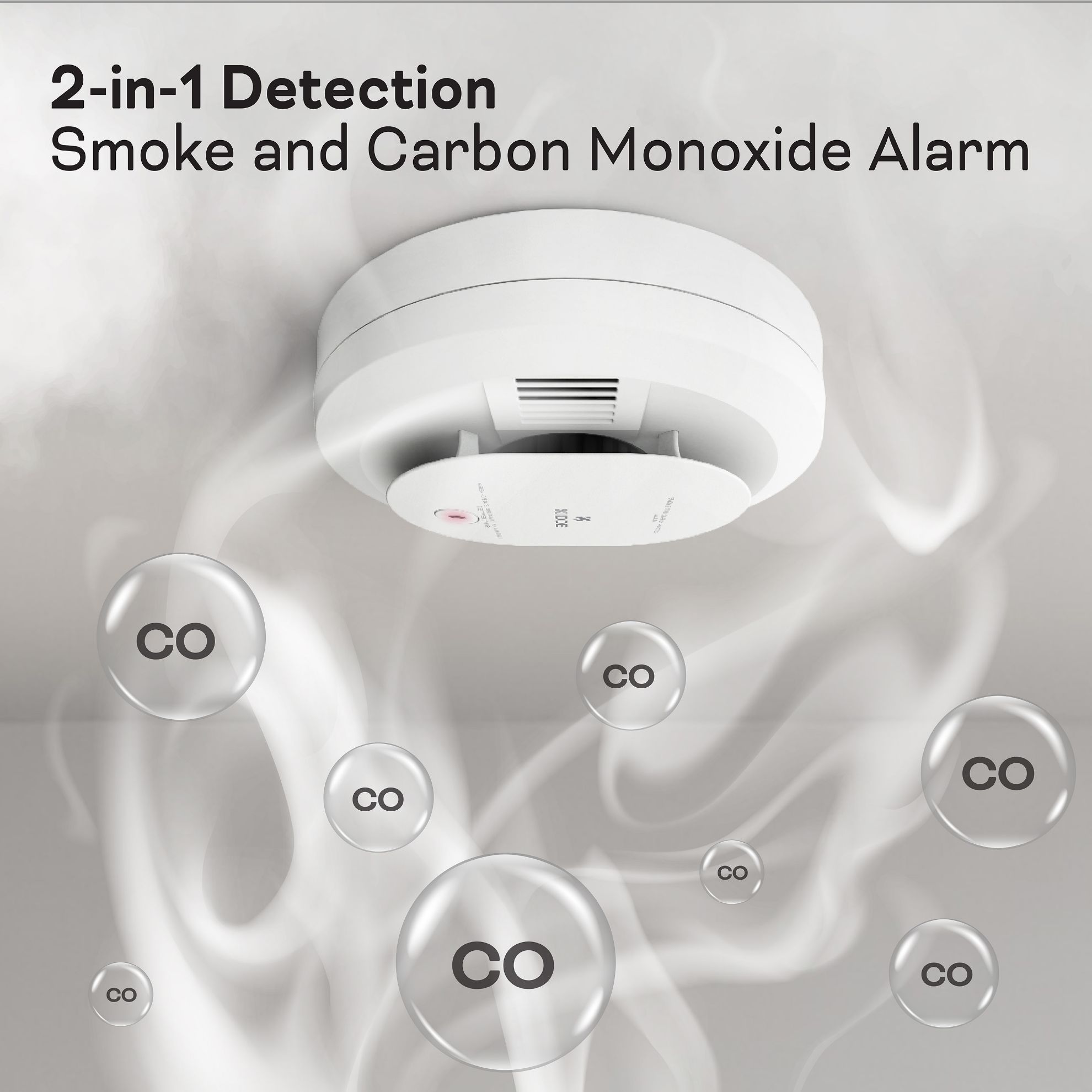
Hard Wired Smoke And Carbon Monoxide Alarm
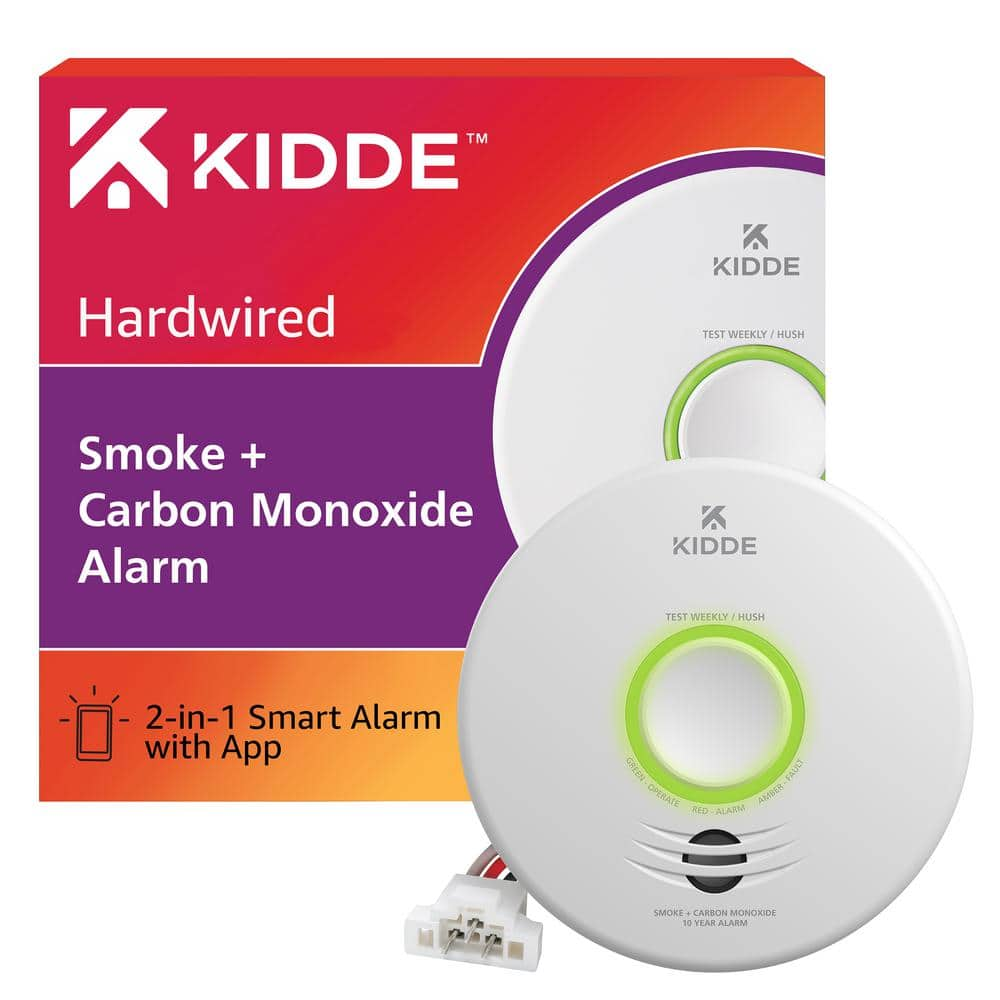
Ever wonder about those little devices discreetly watching over your home, the ones you hopefully never hear too often? We're talking about your smoke and carbon monoxide alarms, but specifically, the hard-wired kind. Far from being a boring bit of home infrastructure, delving into these silent sentinels is actually quite fascinating, offering a peek into the clever ways modern homes keep us safe. It's about understanding the unseen heroes that work tirelessly, allowing us to sleep a little sounder at night.
So, what exactly is a hard-wired alarm, and why should we care? Unlike their battery-operated cousins, these alarms are directly connected to your home’s electrical system. This means a constant, reliable power supply, significantly reducing the worry about dead batteries – although most still come with a battery backup, which is a brilliant bit of extra security during power outages. Their main purpose is twofold: to detect the presence of smoke, signaling a potential fire, and to sniff out the invisible, odorless, and deadly gas known as carbon monoxide (CO). The real magic happens with their interconnection: if one hard-wired alarm detects danger, it triggers all the other interconnected alarms in your home. Imagine a fire starting in the basement; the alarm there goes off, and instantly, the alarms upstairs in the bedrooms start blaring too, giving everyone crucial extra seconds to escape. This synchronized symphony of safety is arguably their greatest benefit, ensuring no one is caught unawares, no matter where they are in the house.
In our daily lives, these alarms are indispensable. They're the guardians watching over our sleeping children, the unseen protectors alerting us to a faulty furnace while we're watching TV, or even safeguarding our pets when we're out. Building codes often mandate their installation in new constructions and significant renovations, especially their interconnected nature, highlighting their critical role in public safety. In an educational context, understanding hard-wired alarms helps demystify home safety. It's a tangible way to teach children about fire drills and the importance of knowing escape routes. For older students, it can be an entry point into learning about basic electrical circuits, sensor technology, and the chemistry behind combustion and toxic gases, explaining why CO is so dangerous and how these devices are designed to detect it.
Must Read
Want to explore this topic a bit more? Start by simply locating the alarms in your own home. Do they have a battery compartment? Is there a small LED light indicating power? Most importantly, test them regularly! There’s usually a test button – push it and listen for the distinct alarm sound (and remember, CO alarms often have a different sound pattern than smoke alarms). Take a moment to look for a manufacturing date on the back; most alarms have a lifespan of 7-10 years and need replacing, regardless of whether they seem to be working. You could also research your local fire department's recommendations for alarm placement and learn about the dangers of CO, often called the "silent killer." While hard-wired installation is a job for a qualified electrician, understanding how these devices operate is a simple yet powerful way to take a proactive step in securing your home and your peace of mind. It’s a small piece of technology with a monumental job, and it’s well worth appreciating.