Good Temp For Heater In Winter
As the days grow shorter and a frosty nip starts to hang in the air, there's nothing quite like the thought of a warm, cozy home. But setting your winter heater can be a bit like a high-stakes game of thermostat roulette. Are you cranking it too high and watching your energy bill skyrocket? Or are you shivering under a blanket, wishing you'd turned it up just a notch? Finding that perfect temperature isn't just about comfort; it's about saving money, staying healthy, and even doing a little good for the planet. It’s a fun quest to discover your home’s winter "Goldilocks Zone" – not too hot, not too cold, but just right!
The main purpose of setting your heater's temperature efficiently is to strike a delightful balance between comfort and cost-effectiveness. Running your heater at an unnecessarily high temperature wastes energy, leading to significantly higher utility bills. Conversely, if your home is too cold, you might feel perpetually chilly, struggle to relax, and even become more susceptible to winter colds. By understanding the optimal temperature range, you unlock a host of benefits: you’ll enjoy a snug living space without breaking the bank, reduce your carbon footprint, and ensure a more consistent, healthy indoor environment. Think of it as a smart way to hug your wallet and the planet!
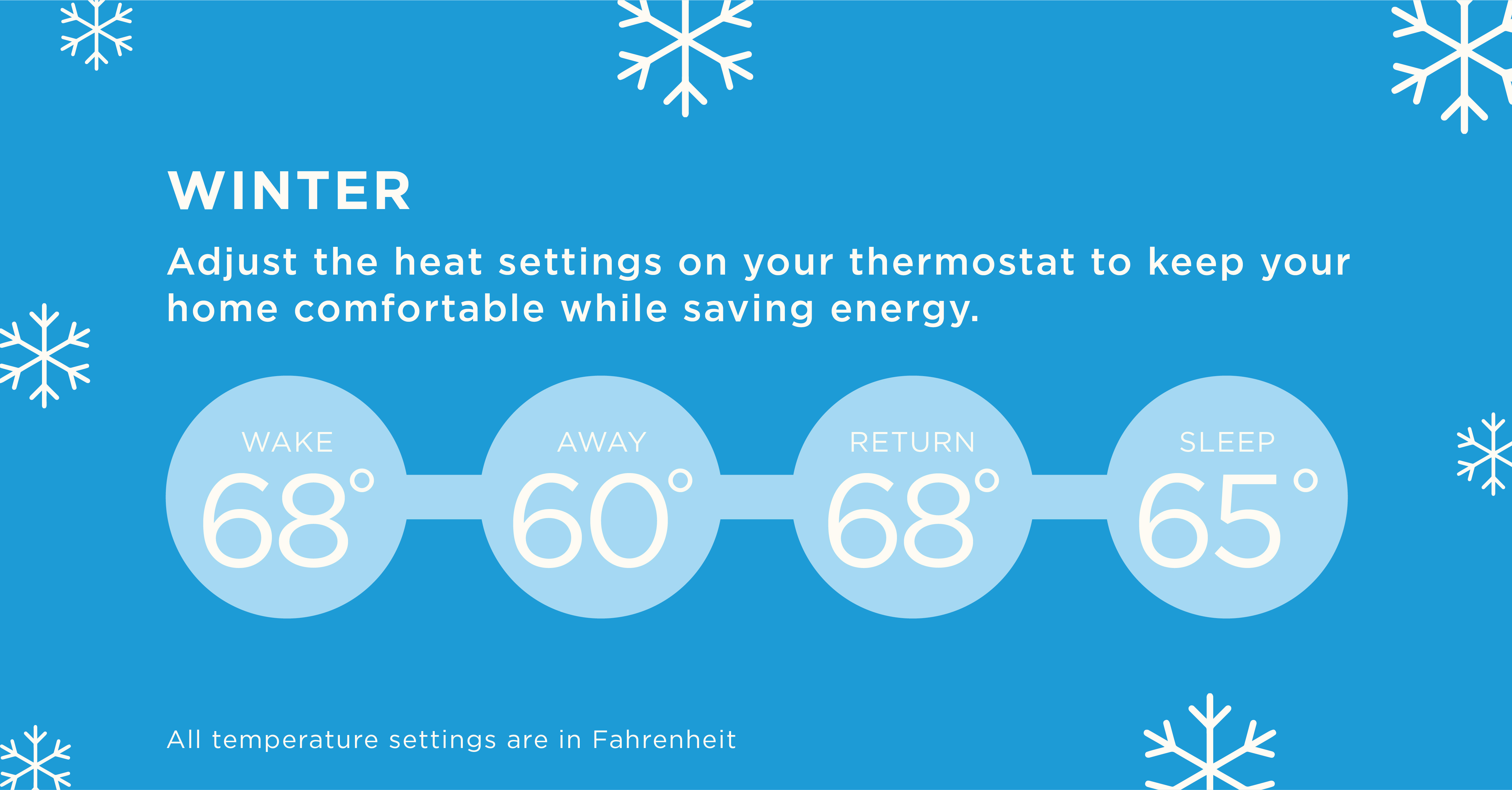
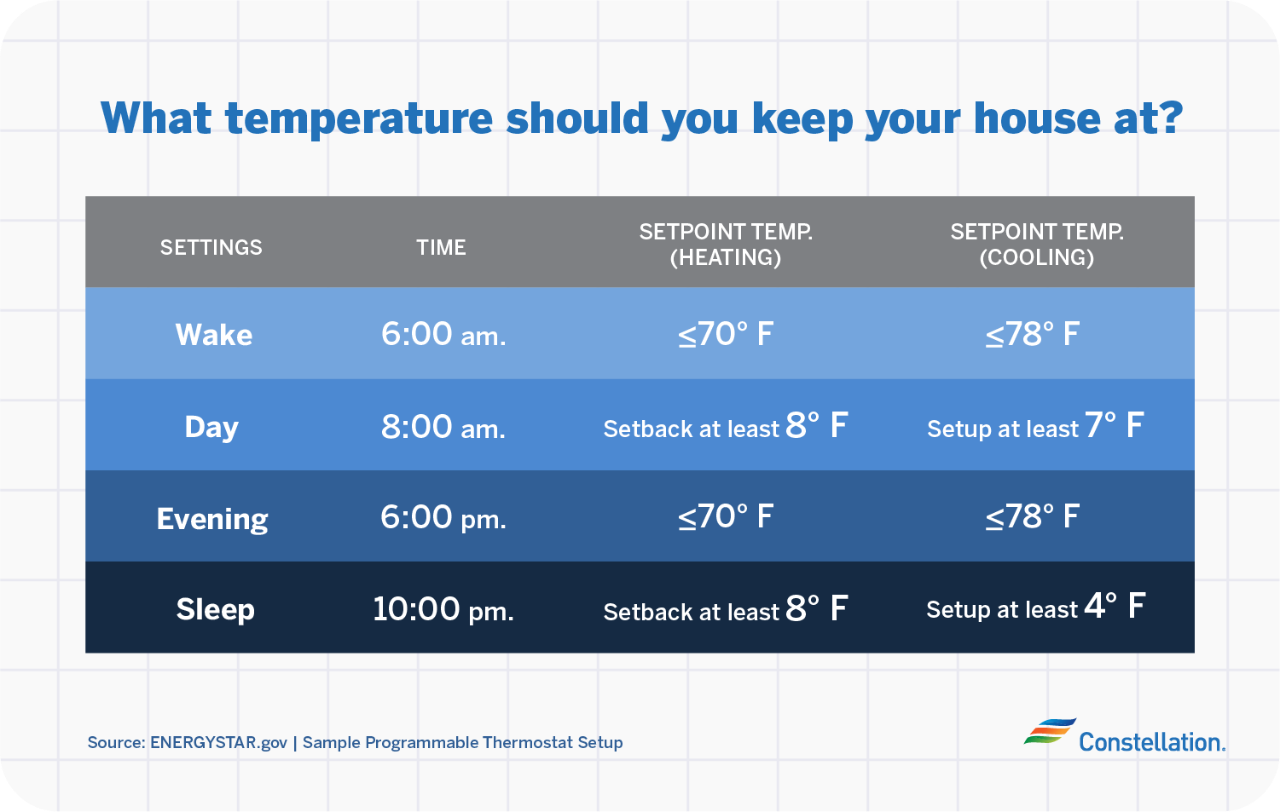
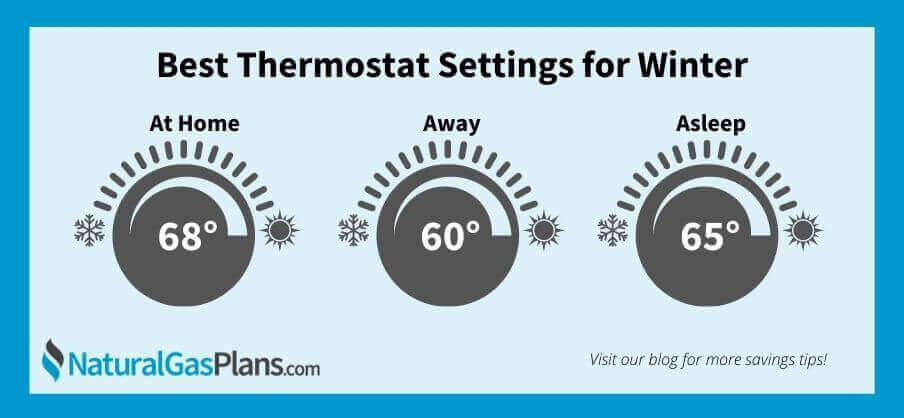
So, what's the magic number? While individual preferences vary, energy experts widely recommend a daytime temperature of around 68-70°F (20-21°C) when your home is occupied. This range is generally considered comfortable for most people wearing typical indoor winter clothing, without requiring excessive energy consumption. For nighttime, or when you're away from home for several hours (at work, for instance), you can significantly reduce your energy usage by lowering the thermostat to 60-64°F (15-18°C). You might think this sounds a bit chilly, but for sleeping under warm blankets, it's often ideal, and for an empty house, it's pure savings! Remember, for every degree you lower your thermostat for eight hours or more, you could save up to 1% on your heating bill.
Must Read
To really maximize your comfort at these energy-saving temperatures, consider a few clever tricks. Layering up with sweaters and warm socks can make a huge difference. Snuggle under throws or blankets while lounging. Make sure your windows and doors are properly sealed to prevent drafts, which can make your home feel colder than it actually is. Using a programmable or smart thermostat is also a game-changer, allowing you to automatically adjust temperatures throughout the day and night without lifting a finger. It removes the guesswork and ensures your home is always cozy when you need it to be, and efficiently cool when you don't.
Ultimately, the "good temp" for your heater in winter isn't a fixed decree, but a smart strategy. It’s about being mindful of your energy use while maintaining a home that feels like a warm embrace on the coldest days. By finding that sweet spot—usually around 68°F during the day and lower at night—you’ll enjoy a comfortable, cost-effective, and environmentally friendly winter season. So go ahead, adjust that dial, and revel in the cozy, smart warmth!